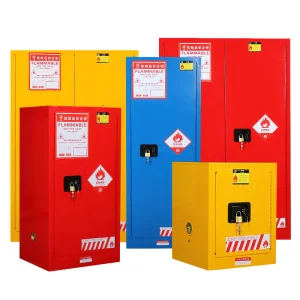
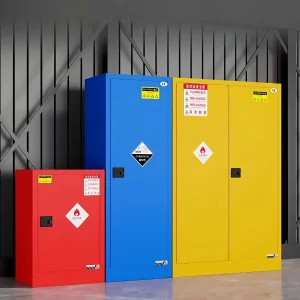
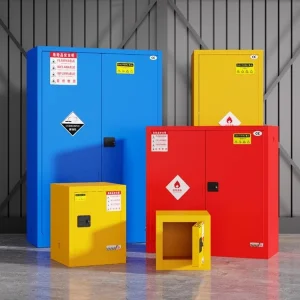
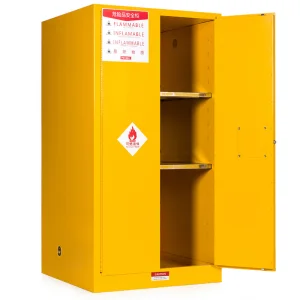
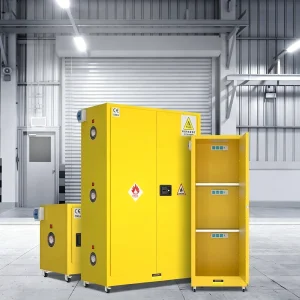
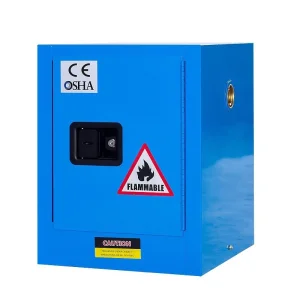
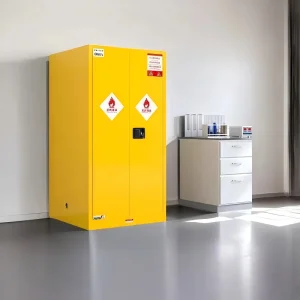
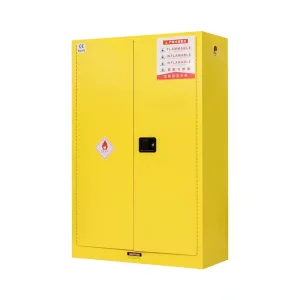
Engineered with double-walled 18-gauge steel structural barriers and a 1.5-inch insulating air gap to isolate hazardous materials from volatile thermal sources.
As the primary transportation, logistics, and manufacturing hub of the American Midwest, the Chicago metropolitan area—spanning Cook, DuPage, and Will counties—operates under rigorous environmental and workspace safety inspection regimes. Regulatory pressure from OSHA Region 5 and the Chicago Fire Department (CFD) demands that local processing plants, chemical storage depots, aerospace workshops, and research labs deploy certified safety containment setups.
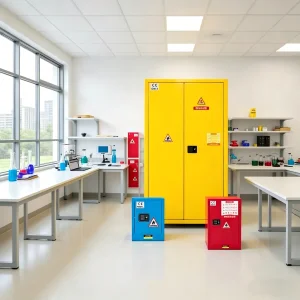
Unconditioned industrial environments near Lake Michigan undergo severe seasonal humidity and temperature fluctuations. Standard sheet metal cabinets corrode rapidly, while non-insulated cabinets fail to shield volatile compounds from local thermal spikes. Ensuring absolute safety in storage environments requires explosion-proof safety cabinets engineered specifically to prevent internal vapor ignition from escaping into the facility, while insulating internal chemistry during an external plant fire.
Whether you operate a biotech lab in Chicago’s Fulton Market, an automotive component assembly in Joliet, or a chemical processing plant in Gary, deploying FM-approved containment hardware prevents catastrophic industrial incidents, mitigates corporate liability, and keeps your facility in full compliance with local municipal codes.
Constructed with 1.5-inch (38mm) insulating air space and 18-gauge cold-rolled steel, offering up to 30 minutes of structural thermal isolation during factory fires.
Optional IoT-enabled gas leak and temperature sensors warn operations teams of solvent leakage before hazardous vapors reach explosive concentrations.
Heavy-duty door assemblies fitted with fusible links that melt at 165°F (74°C), automatically snapping the cabinet shut in active fire zones.
Our technical roadmap combines traditional robust structural hardware with smart warehouse management systems. By leveraging high-precision robotic manufacturing, each safety cabinet is built to resist thermal deformation and optimize workspace safety.
Operating a modern 18,000㎡ production facility, integrating advanced CNC machinery, professional quality inspection teams, and direct global logistics to serve the Chicago market.
Modern Production Space
Industry Steel Fabrication Exp
Professional QA/QC Inspectors
Active R&D Department
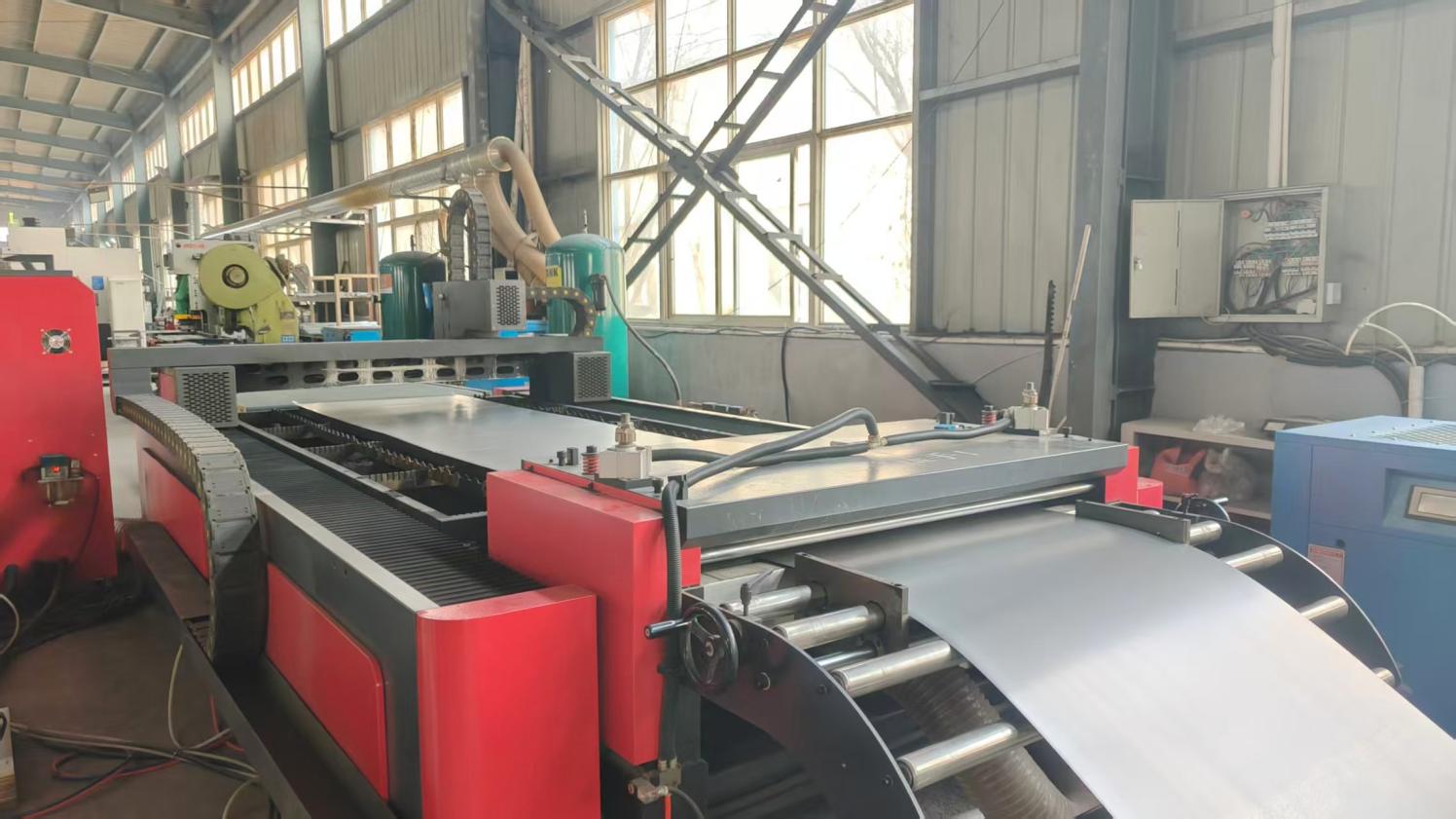
High-precision dimensional tolerance control.
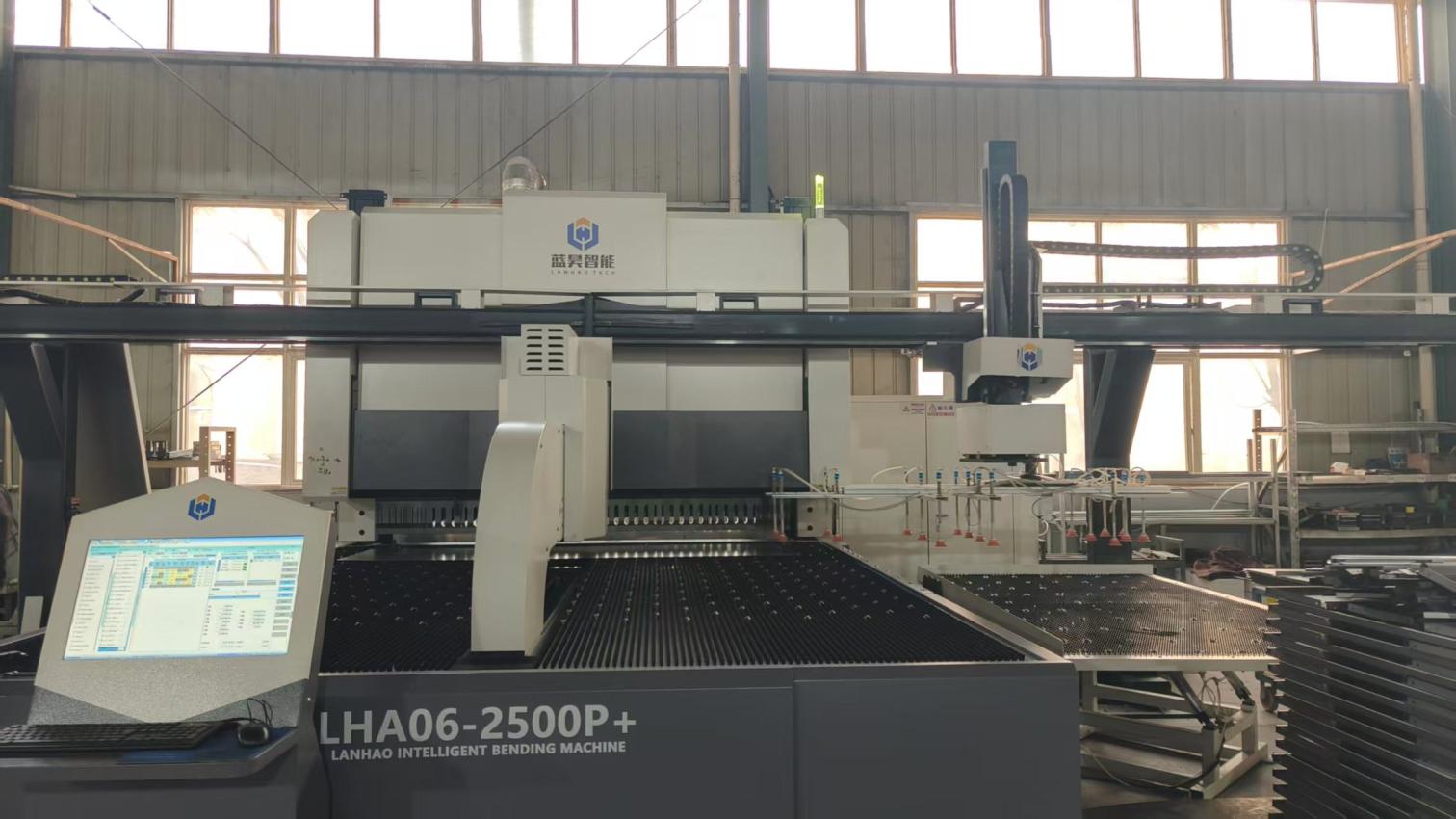
Consistent fold lines for double-walled panels.
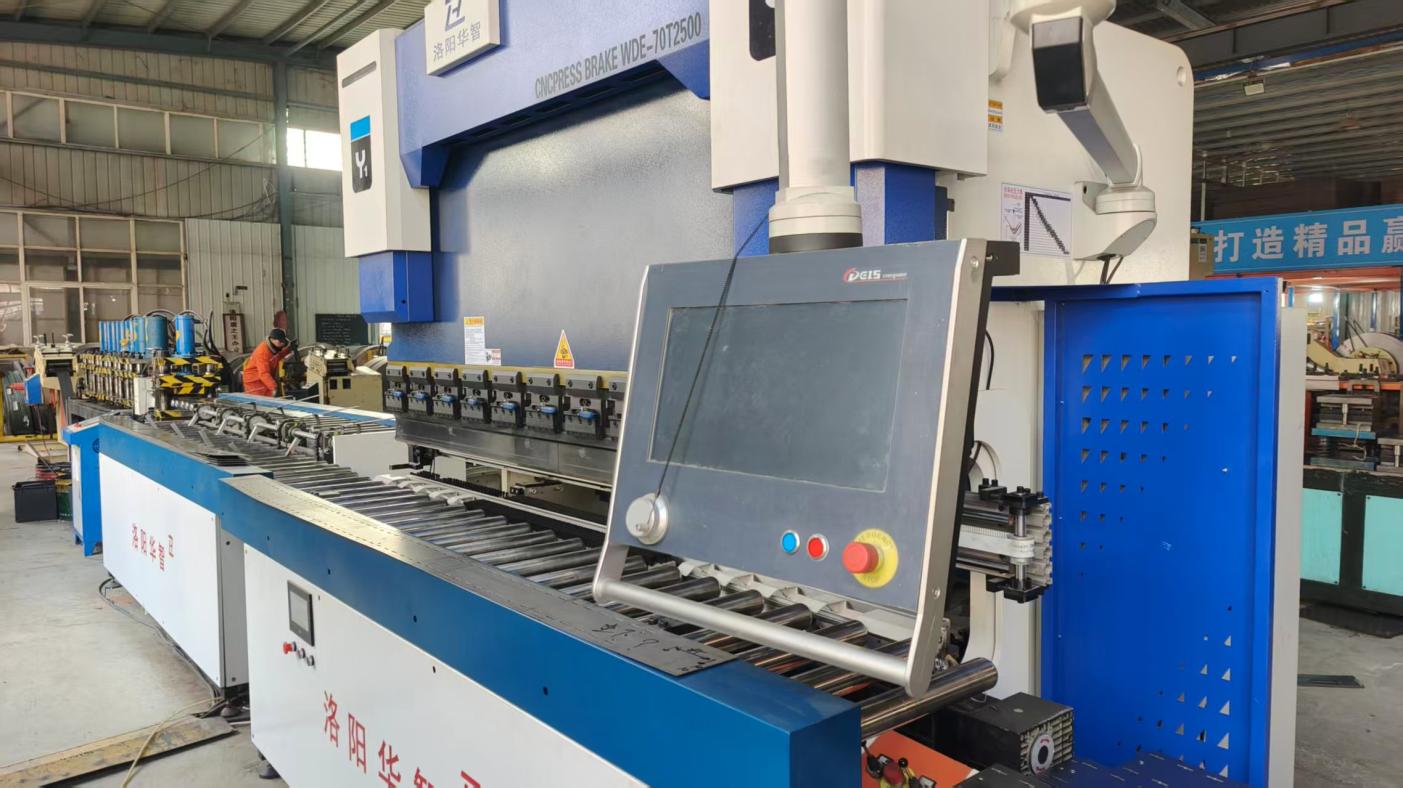
Angle verification for leak-proof structures.
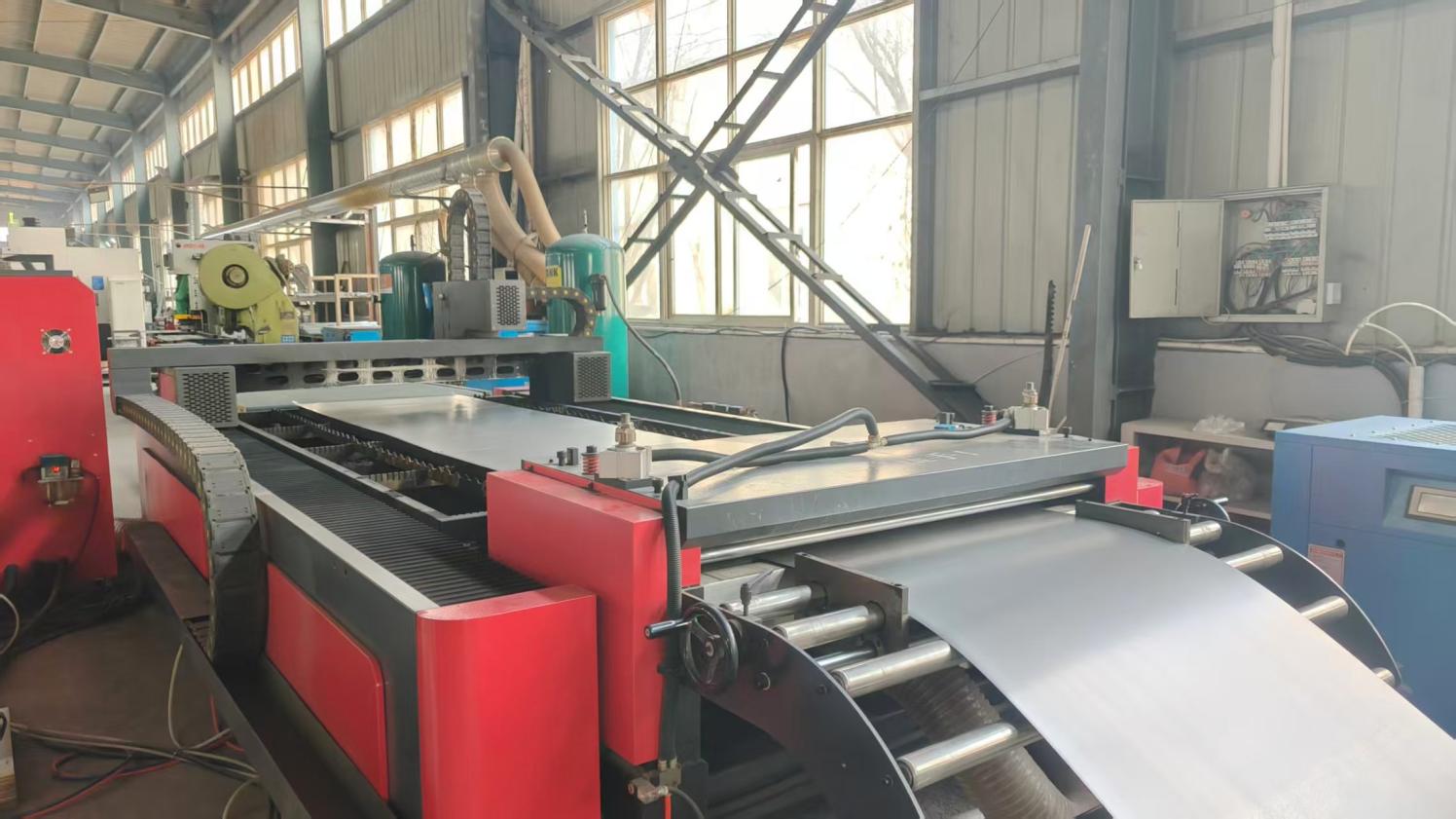
Premium structural steel stock preparation.
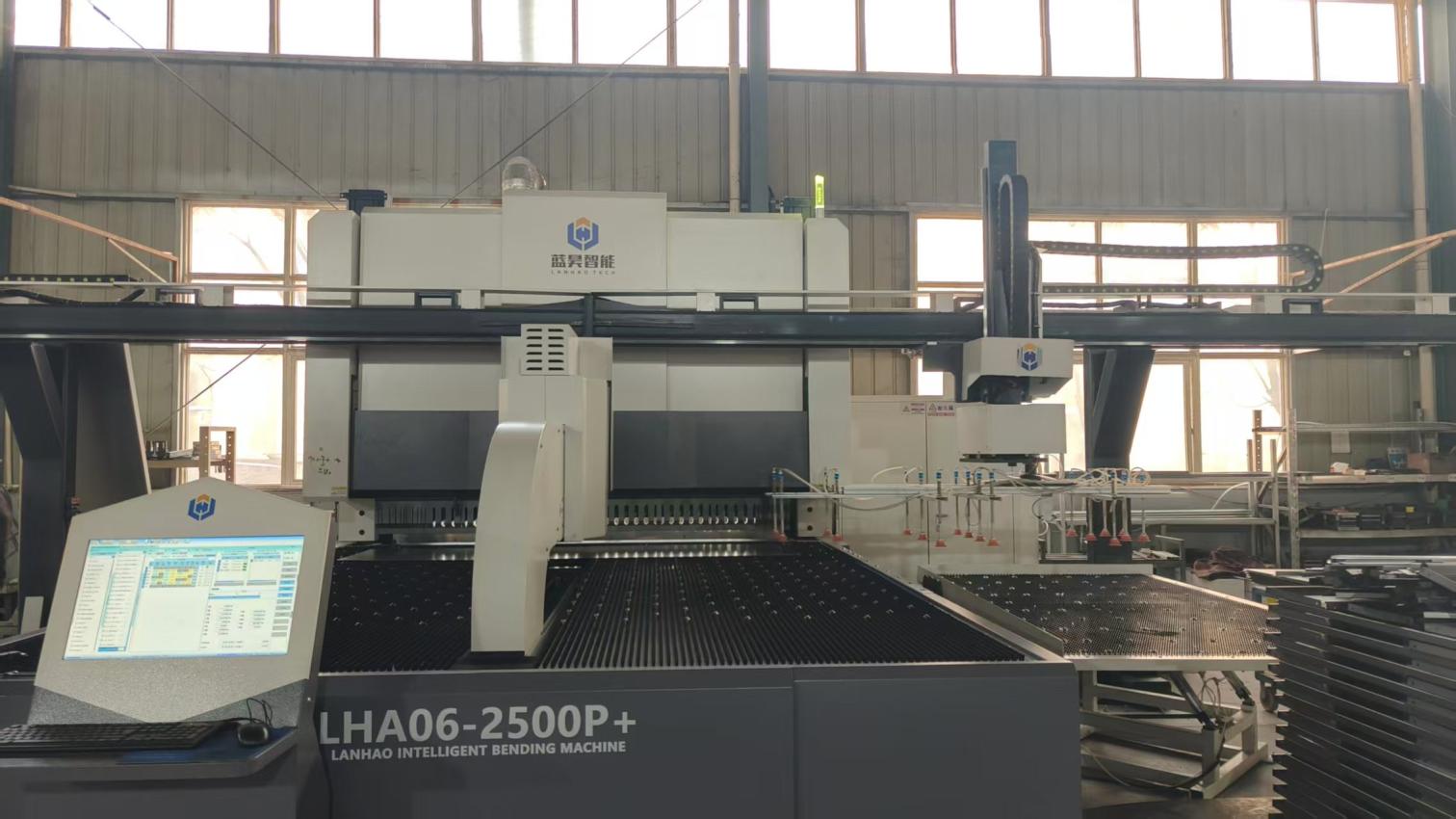
Forming cabinet structural outer-shells.
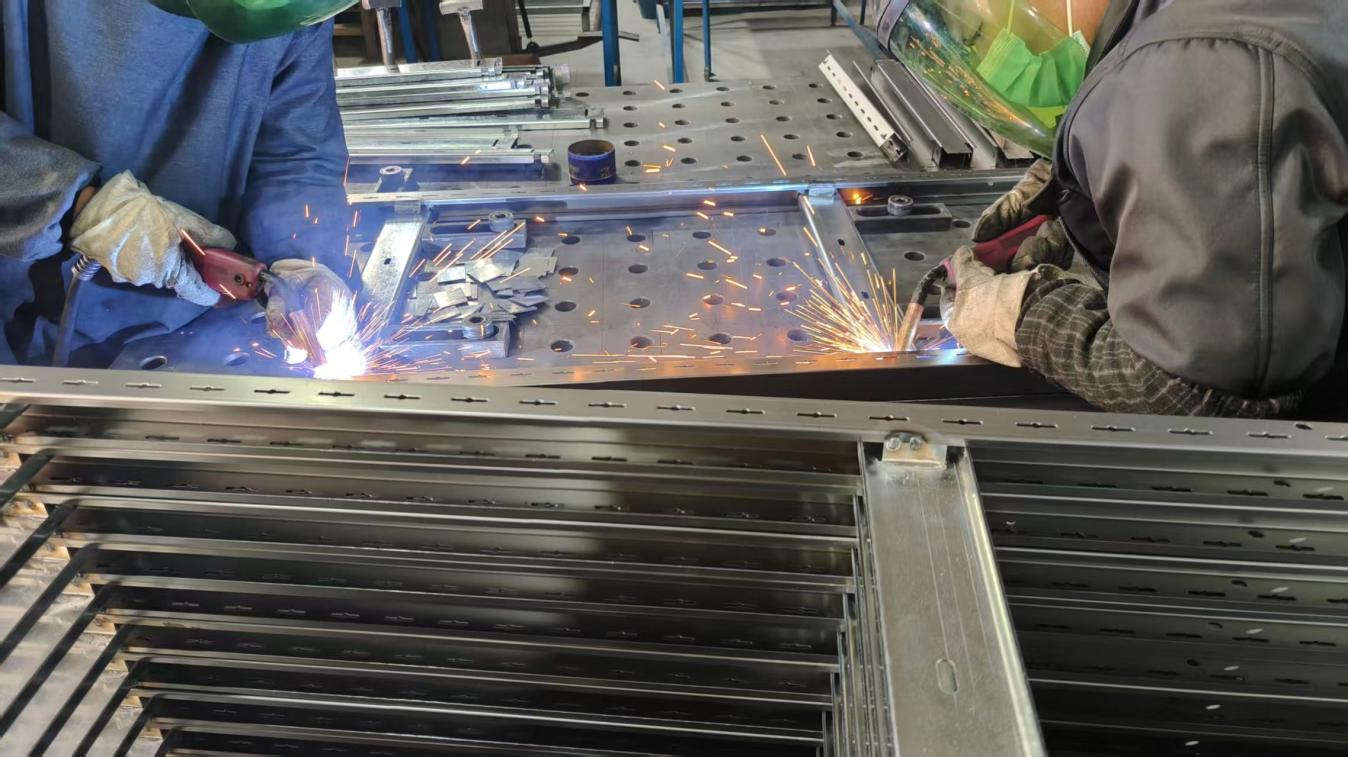
Seamless joints to withstand structural strain.
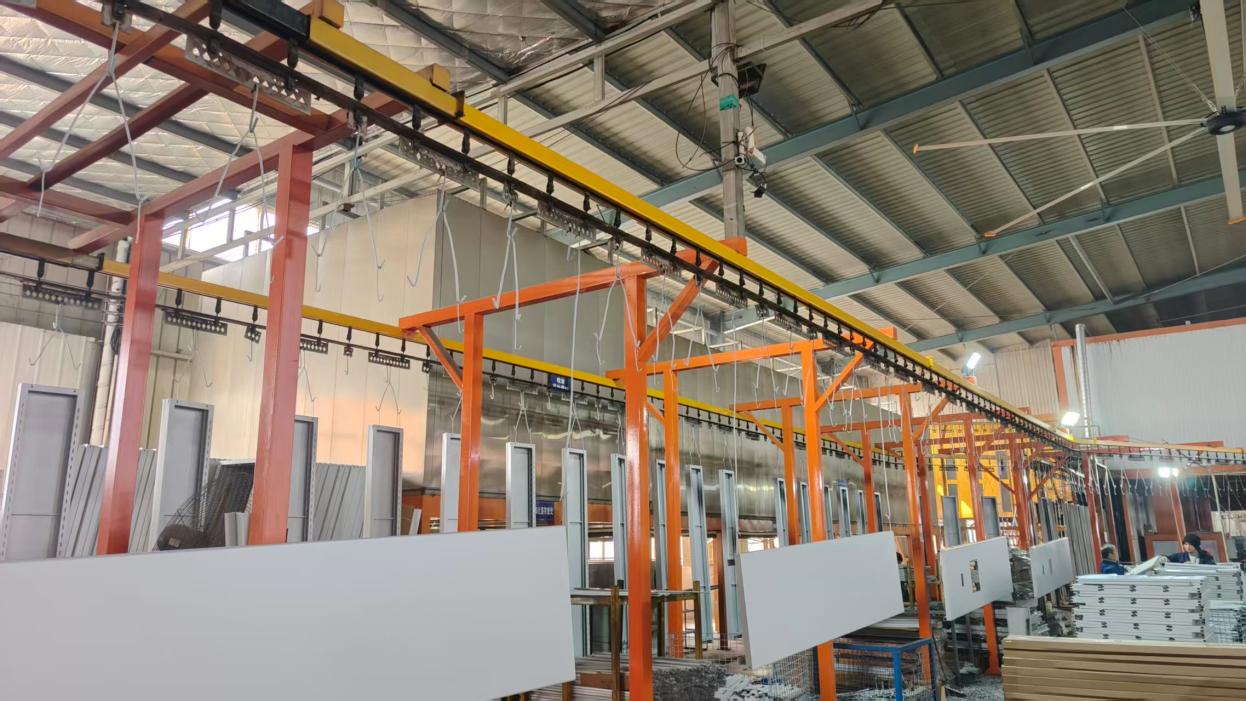
Lead-free chemical resistant powder finish.
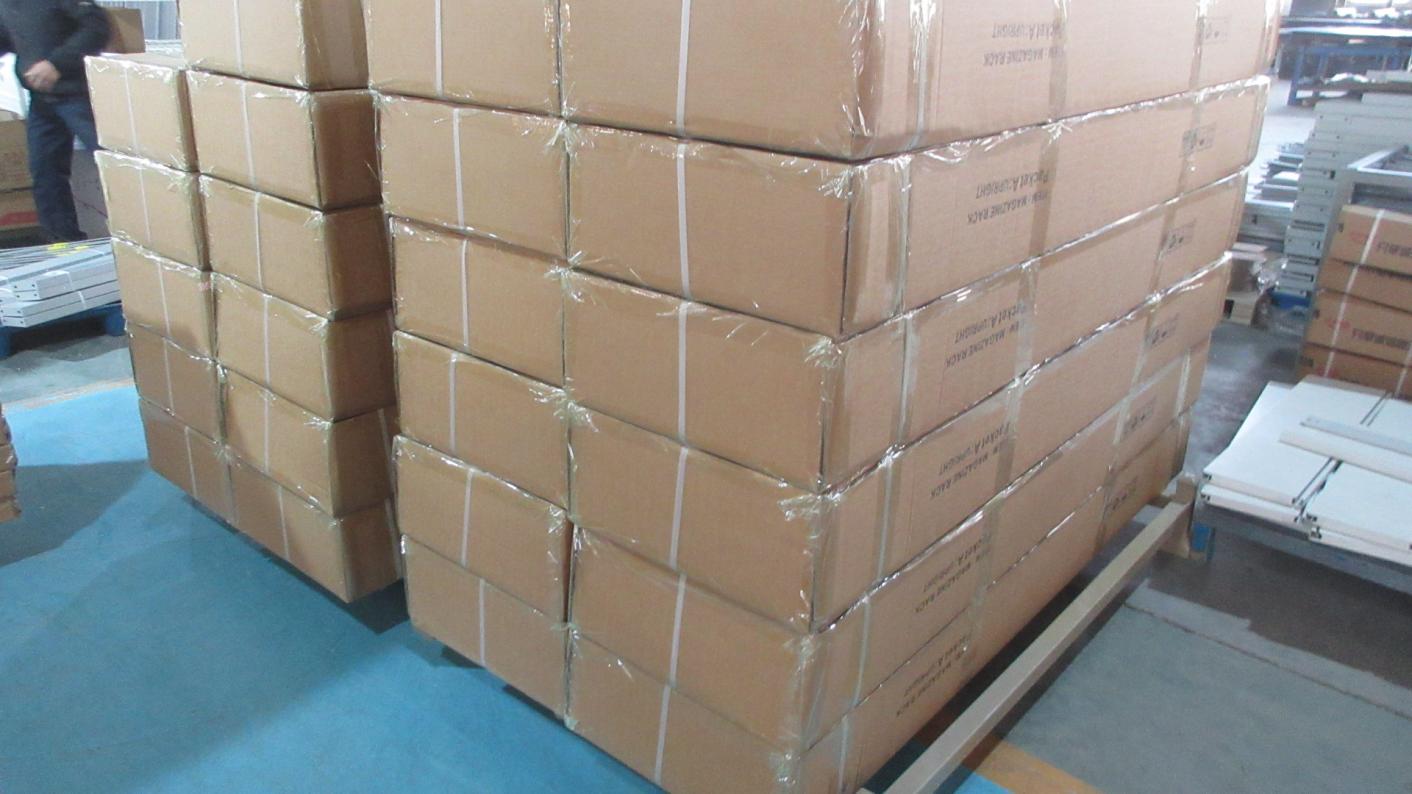
Reinforced crates optimized for sea transport.
Our company, Guangdong Luyuan Import and Export Trading Co., Ltd., brings years of expertise in heavy steel fabrication to safety cabinets. We apply automated robotic welding, multi-stage pickling, and chemical-resistant electrostatic powder coating across our entire manufacturing flow. This strict control guarantees that every explosion-proof unit shipped to North America resists aggressive industrial corrosives and survives harsh shop-floor impacts.
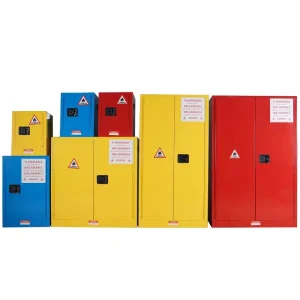
Custom structural solutions built to handle specific chemical interactions, storage parameters, and industrial capacities.
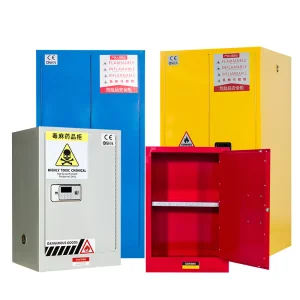
Chicago's academic and commercial research centers store volatile reagents, acids, and bases. We supply acid-corrosive cabinets lined with chemical-resistant polyethylene trays. These protect the steel structure from aggressive vapors while separating incompatible compounds into isolated chambers.
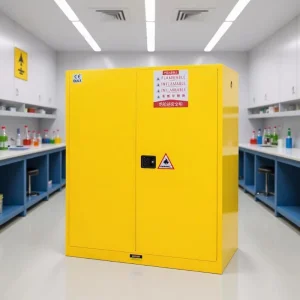
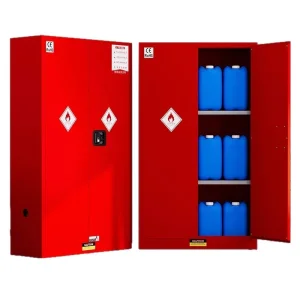
Explore Acid Storage Cabinets →From aerospace components to automotive production, factories rely on high-volume Class I and Class II flammable solvent storage. Our high-capacity 110-gallon metal cabinets store heavy containers safely, reducing transit times and improving assembly line efficiency.
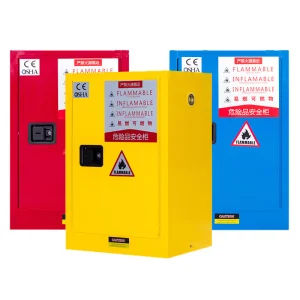
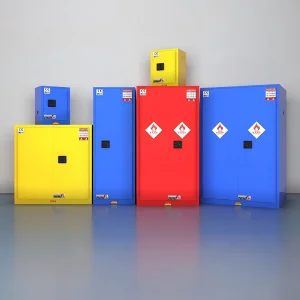
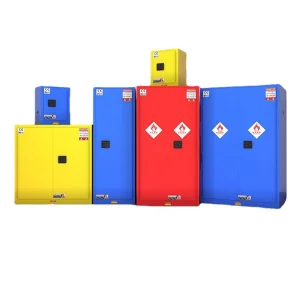
Explore Flammable Storage Cabinets →Select from our specialized line of CE and OSHA-certified fireproof containment systems. Each unit is engineered for long-term safety and durability.
We streamline the import process for our Chicago clients. By utilizing direct ocean freight routes to the Port of Chicago or express rail logistics via inland intermodal terminals, we deliver high-capacity industrial shipments smoothly and efficiently.
Our engineering team can design specialized safety configurations based on your CAD facility layouts.
Initiate OEM RFITechnical answers regarding hazardous material containment, structural compliance, and shipping logistics to the Midwest.
Under NFPA 30 standards, safety cabinets must isolate volatile contents from external fires rather than contain an internal explosion. This is achieved using double-walled 18-gauge steel panels with a 1.5-inch (38mm) insulating air gap, tight-fitting joints, and a 3-point latching mechanism. These design elements prevent external heat from raising the internal temperature to the ignition point of stored solvents for a specified time frame.
Our self-closing safety cabinets feature a mechanical fusible link system. If the local workspace temperature reaches 165°F (74°C), the link melts and releases the holding mechanism, allowing the spring-loaded door to close and latch securely. This blocks external oxygen and flame entry, isolating the stored chemicals.
Venting is not strictly required by NFPA 30 unless specified by local Chicago municipal codes or if storing highly toxic or offensive-smelling materials. If venting is implemented, the process must follow engineering safety standards, utilizing steel conduit directly to the exterior without compromising the cabinet's internal flame arresters.
Our quality control team performs weld integrity inspections, dimensional checks, alignment tests on self-latching systems, and thickness measurements on the epoxy powder coating. Every unit must meet dimensional and safety standards before loading for transport.
Standard fabrication runs take 15 to 25 days. Transit to Chicago via ocean container to West Coast ports and intermodal rail takes about 18 to 28 days. For urgent requirements, we coordinate priority shipping or direct air freight options.
Minimize workspace risks and align your facility with OSHA and NFPA standards. Get in touch with our engineering team for detailed CAD layouts, structural specifications, and direct-from-factory pricing options.
Connect with a Structural Safety Engineer Luyuan Racks