Premium industrial storage solutions designed for heavy-duty logistics, manufacturing efficiency, and extreme storage capacities.
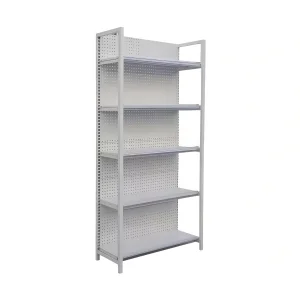
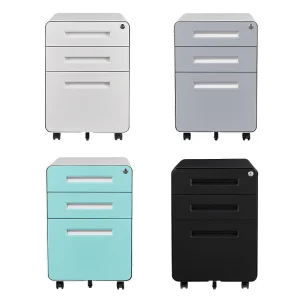
In modern industrial facilities, the selection of heavy-duty racking systems, chemical safety lockers, and localized high-density warehouse cabinetry represents a long-term capital allocation with strict risk considerations. Standard retail setups and home shelving units lack the specialized design, steel thickness, and certified protection that enterprise facilities require. Industrial storage requires robust engineering that ensures optimal space utilization, structural load capacity, and human safety.
To operate safely under the dynamic stress of warehouse operations, industrial storage equipment must comply with strict international regulatory standards. Standard certifications including EN 15512 (European standard for steel static storage systems), RMI (Rack Manufacturers Institute in the US), and local fire safety ratings for safety cabinets are critical. When sourcing globally, procurement managers evaluate factors like tensile strength of structural components, the reliability of locking systems, and the quality of powder-coated steel finishes to ensure they can withstand harsh environmental conditions.
Established in 2016, Guangdong Luyuan Import and Export Trading Co., Ltd. is a specialized warehouse storage rack manufacturer and global supplier. The company operates a modern 18,000㎡ production facility, integrating design, manufacturing, quality inspection, and international trade services. Luyuan has over 12 years of industry experience, delivering high-quality pallet racks, heavy-duty shelving, cantilever racks, mezzanine systems, and customized industrial solutions.
With an annual export revenue of approximately USD 12 million and 8 years of export experience, Luyuan has developed strong capabilities in serving global customers with reliable warehouse storage solutions. The company follows strict quality control procedures throughout the production process. All products undergo comprehensive inspections, including raw material verification, welding checks, dimensional measurement, load capacity testing, and surface coating assessment before shipment. A professional quality inspection team of 45 members ensures every product meets international standards.
Luyuan has built a strong international trade background with experience in OEM and ODM cooperation. Luyuan products are exported to Europe, North America, South America, Southeast Asia, the Middle East, and Africa, with major markets in the United States, Germany, Australia, Saudi Arabia, Thailand, and Brazil. The company maintains long-term cooperation with more than 850 supply chain partners, including steel suppliers, logistics providers, warehouse equipment distributors, and industrial solution providers worldwide.
Supported by a professional engineering department with 28 experienced R&D engineers, Luyuan focuses on structural design, warehouse layout optimization, and customized rack system development. The company provides comprehensive customization options, including dimensions, load capacity, colors, materials, configurations, and complete warehouse planning solutions. Through advanced design software and professional engineering support, the company delivers tailor-made solutions based on specific customer requirements. In the past year, Luyuan launched more than 120 new products and improved existing storage systems to meet changing market demands.
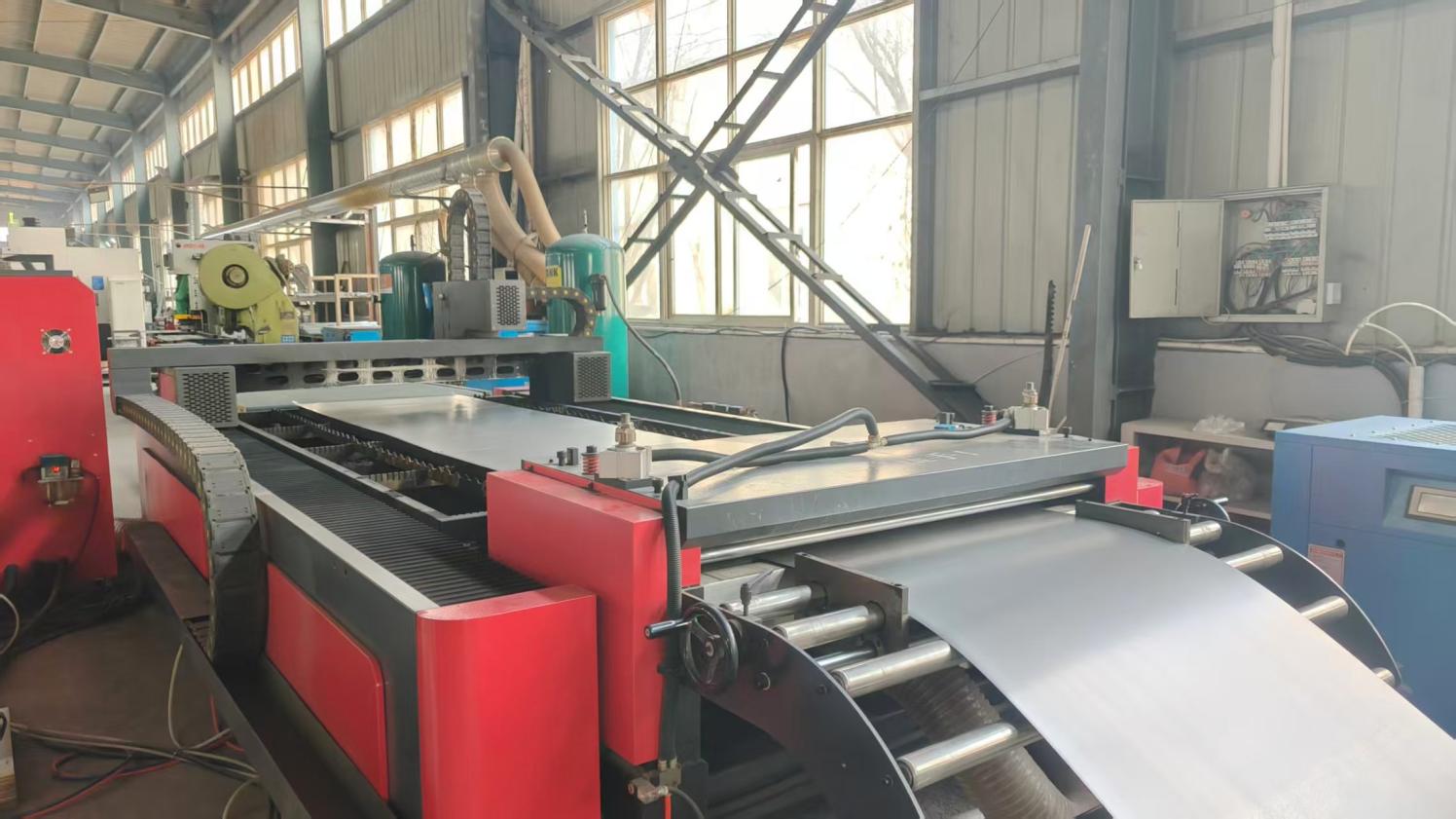
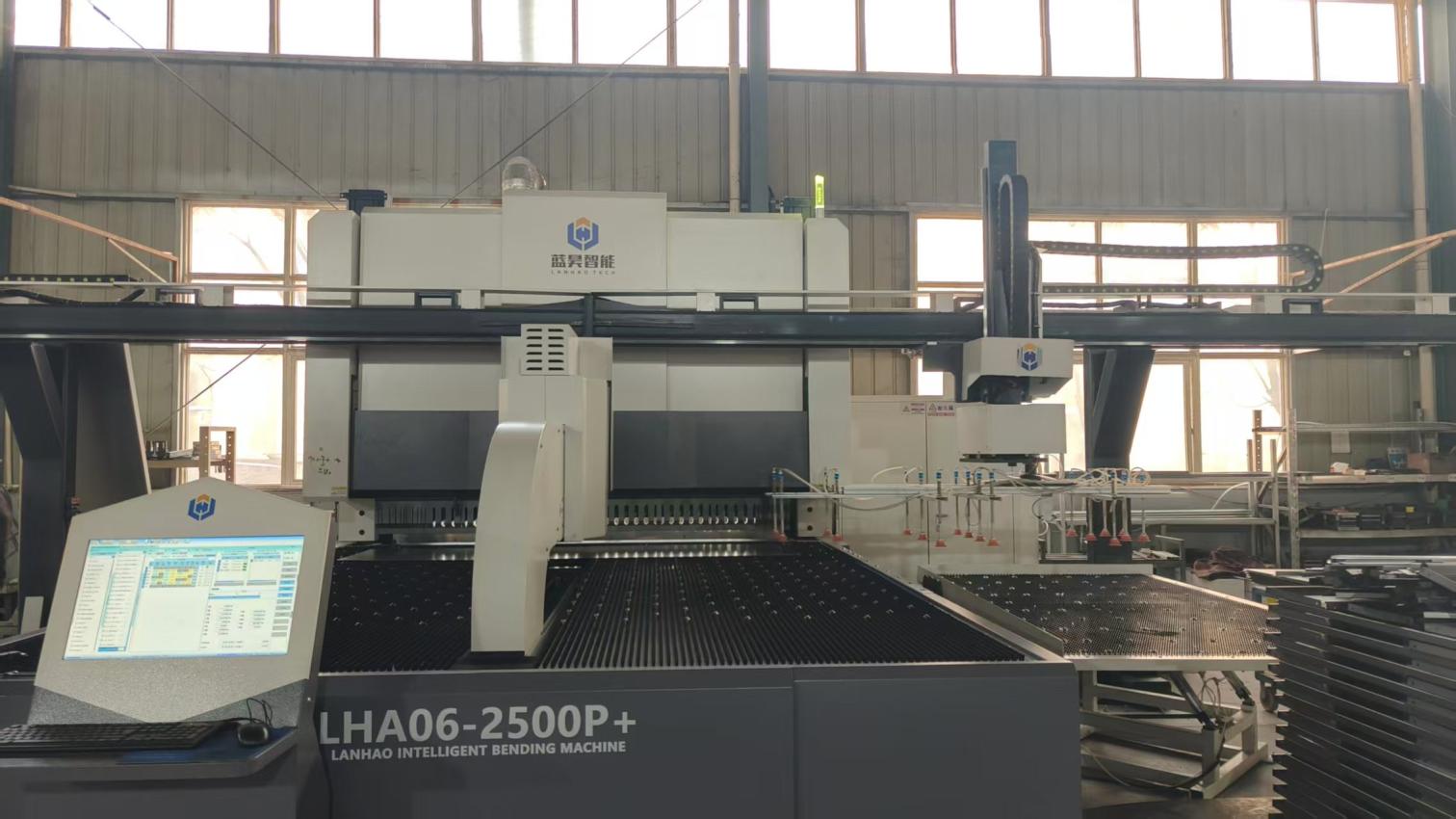
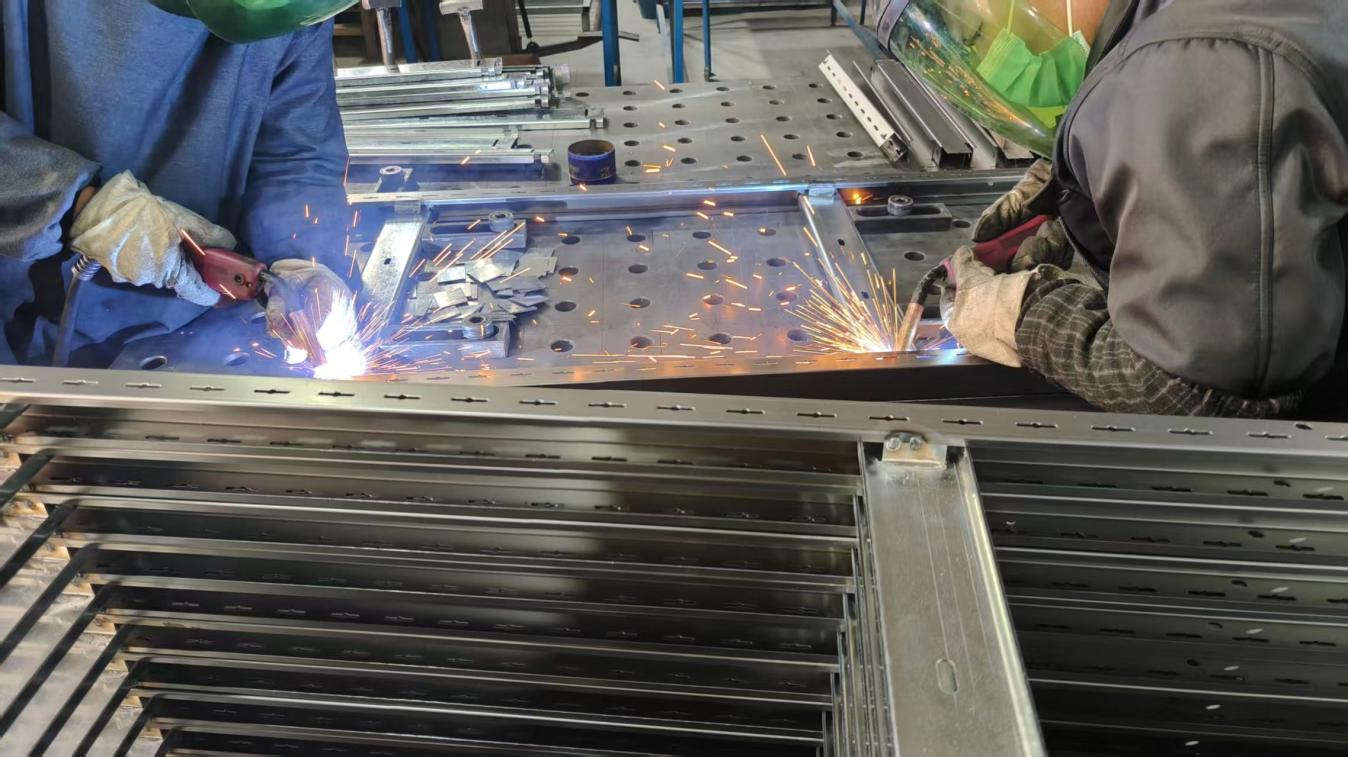
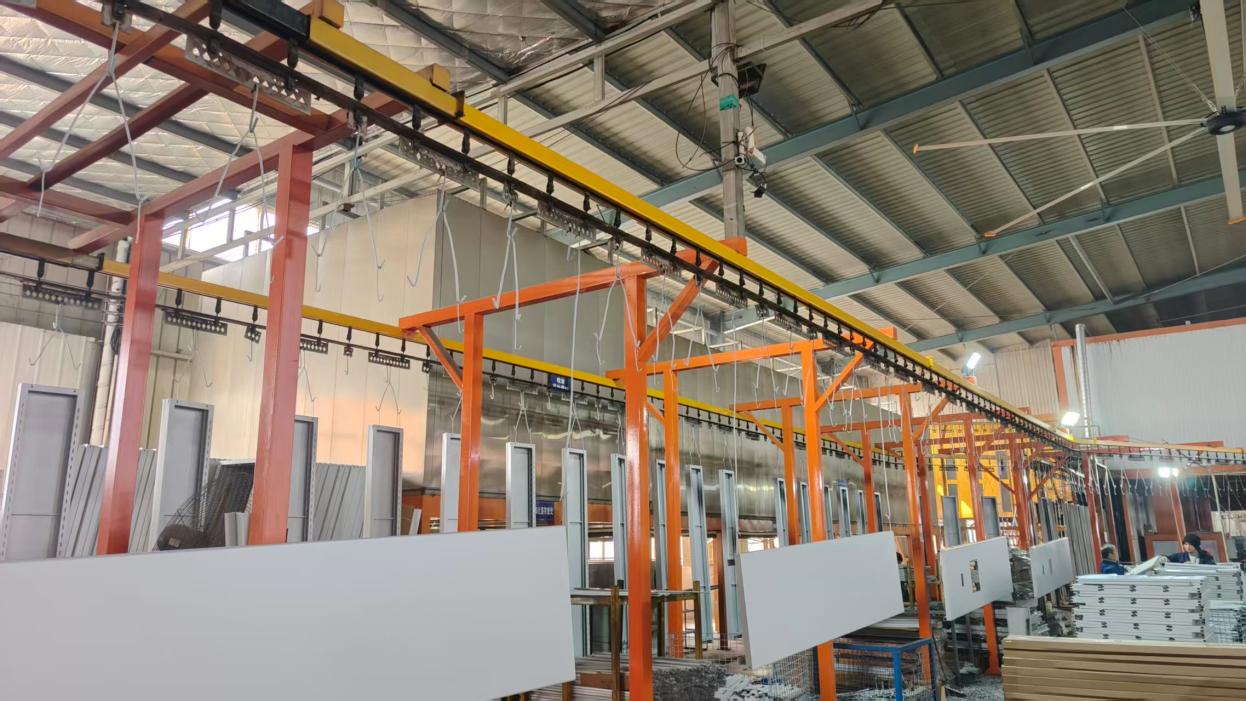
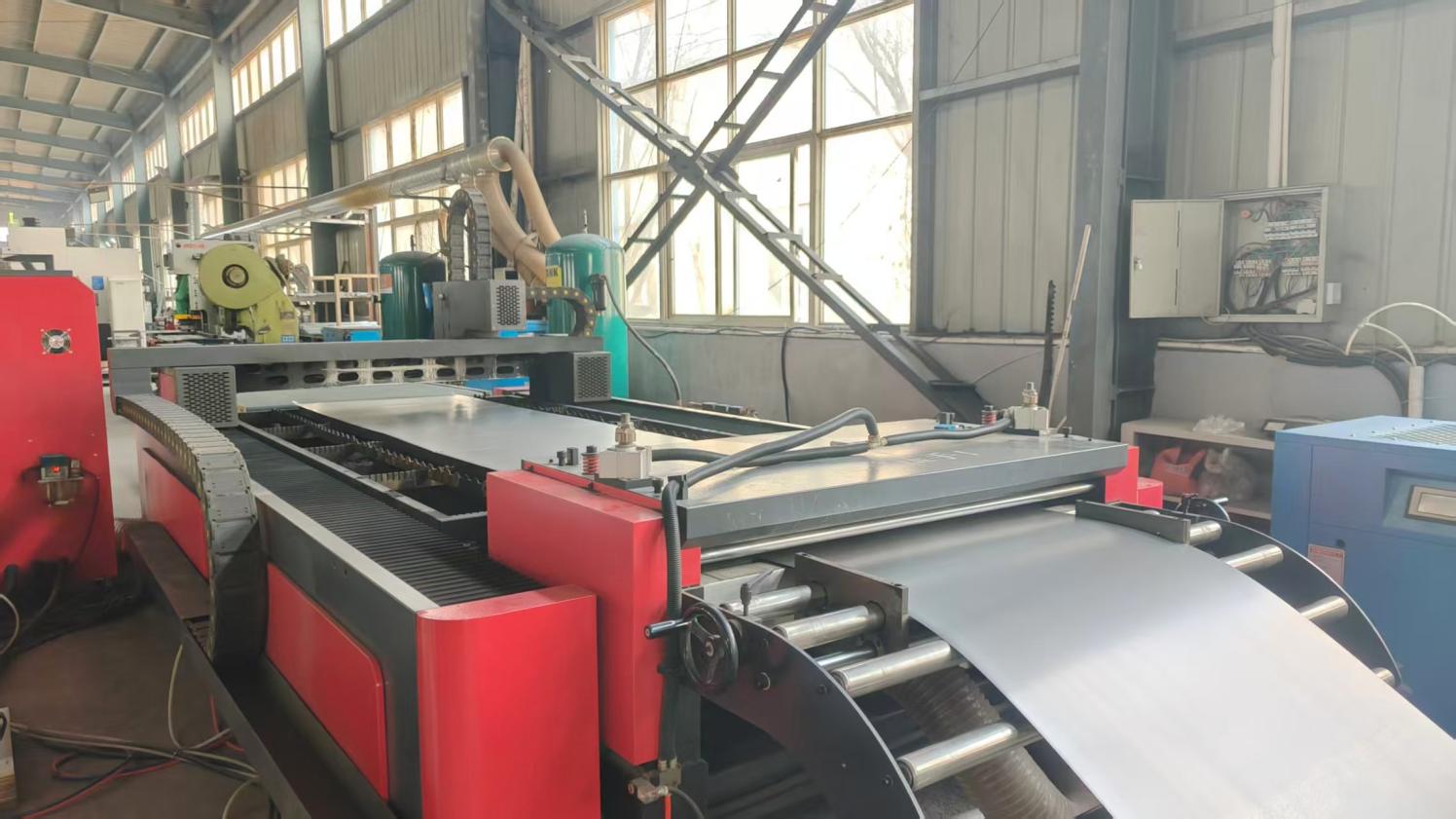
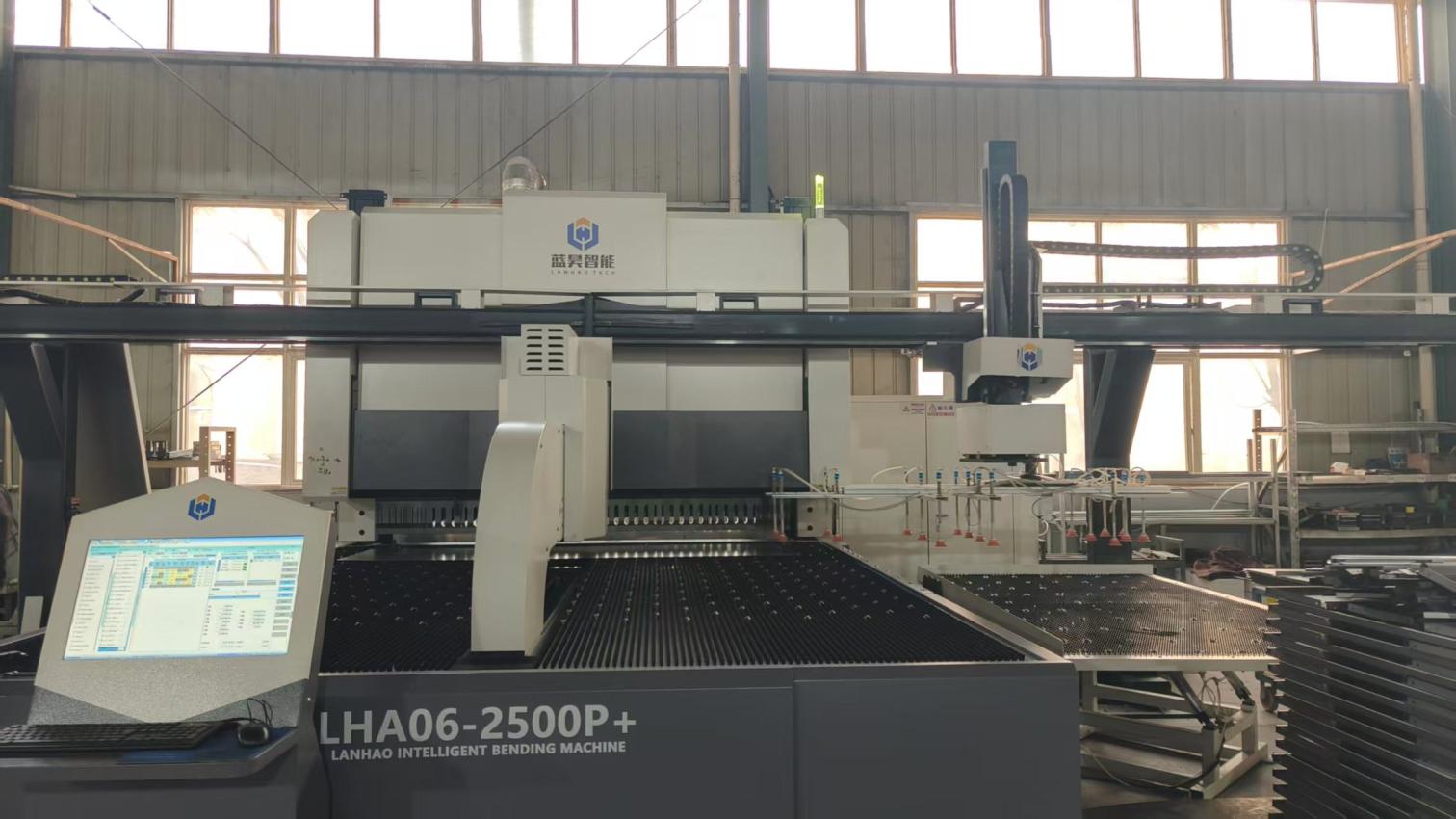
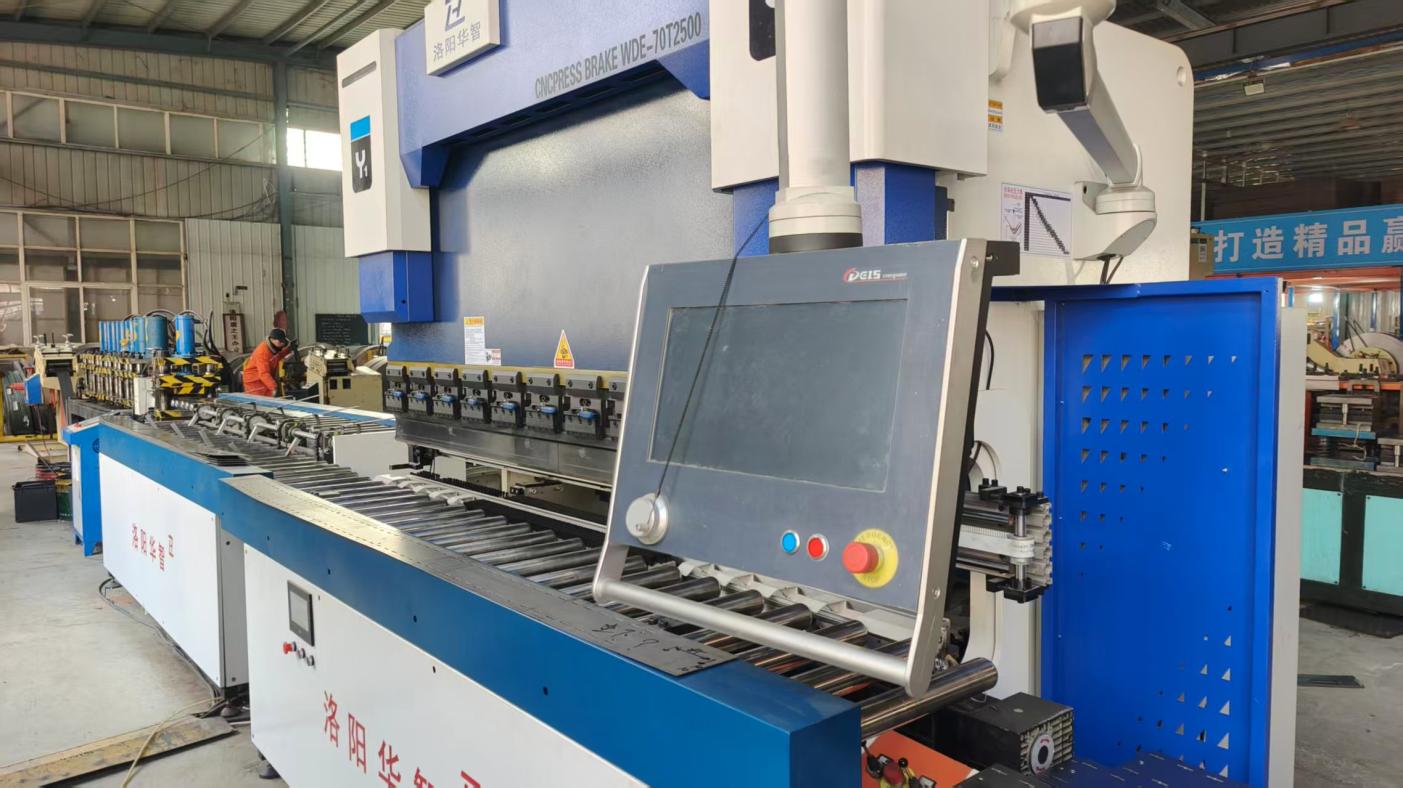
Industrial storage manufacturing is transitioning from basic metal fabrication to advanced Smart Factory 4.0 paradigms. Modern manufacturing processes leverage CNC cutting, robotic welding, automated bending, and continuous powder coating lines to improve structural integrity and dimensional accuracy. These automated facilities produce racking components with minimal tolerances, ensuring easier installation and consistent load performance under dynamic conditions.
In addition, China’s industrial ecosystem provides strong supply chain integration, from raw material procurement to surface finishing. Collaborations with major domestic steel mills ensure access to high-tensile hot-rolled and cold-rolled steel coils. Automated inventory tracking and specialized logistics partnerships help mitigate supply chain disruptions, ensuring stable pricing and predictable delivery timelines for international projects.
Modern industrial supply chains require storage infrastructure tailored to specific operational demands. Standard solutions are no longer sufficient for complex modern storage needs. Below is an analysis of specialized configurations developed to address challenging logistics and safety scenarios:
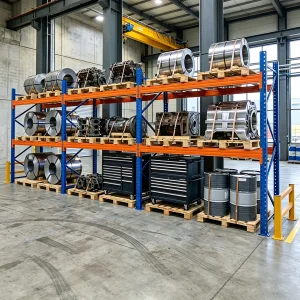
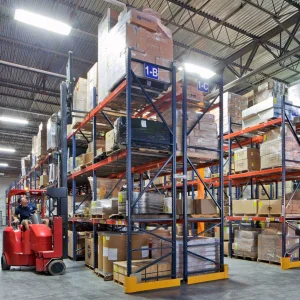
Cold chain logistics facilities operate at temperatures ranging from -18°C to -30°C. In these environments, structural steel is subject to low-temperature brittleness, and structural elements can crack under stress. To address this, cold storage racking solutions utilize specialized low-alloy, high-tensile steel, such as Q355D, which offers high impact toughness at low temperatures.
These systems feature a drive-in or shuttle racking layout to optimize space in temperature-controlled environments. Surface protection is enhanced through thick hot-dip galvanization (conforming to ISO 1461), which prevents rust and degradation under high humidity and thermal cycling.
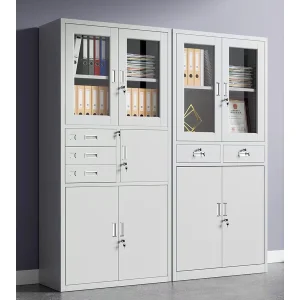
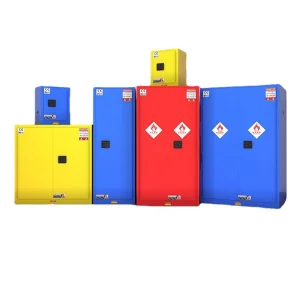
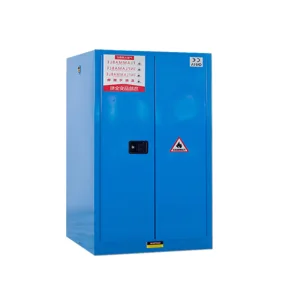
Modern manufacturing facilities require secure storage for flammable and hazardous liquids. Designed in compliance with OSHA 29 CFR 1910.106 and NFPA Code 30 standards, industrial chemical cabinets feature double-walled, 18-gauge steel construction with a 1.5-inch insulating air gap. A built-in sump at the base contains accidental spills, preventing chemicals from entering workspace drains.
These cabinets also include three-point locking systems and dual exhaust vents with flame arrestors to prevent internal vapor ignition from external sparks. Electrostatically applied epoxy powder finishes provide corrosion resistance against aggressive chemical vapors.
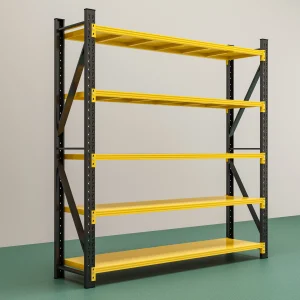
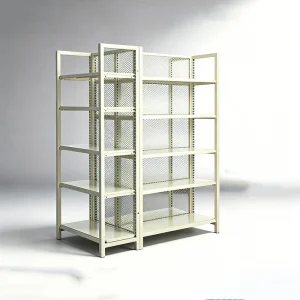
Modern e-commerce fulfillment centers handle high volumes of varied inventory, requiring modular storage systems. Hybrid systems combine heavy-duty pallet racks for bulk inventory with integrated light-duty boltless picking shelving at lower levels to optimize replenishment cycles.
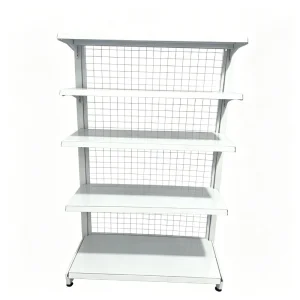
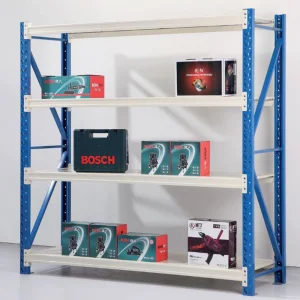
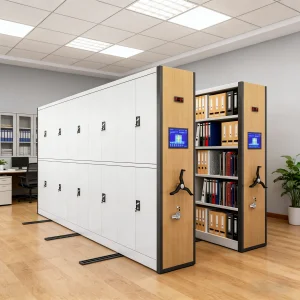
These systems feature adjustable shelf heights, heavy-duty wire decking to maintain visibility and airflow, and modular display dividers. High-density mobile shelving and compactors help maximize storage capacity per square meter, helping to reduce operational overhead.
| Storage Category | Primary Materials | Standard Compliance | Optimized Application |
|---|---|---|---|
| Cold Storage Pallet Racking | Q355D High-Impact Steel (Hot-Dip Galvanized) | EN 15512, FEM 10.2.02 | Frozen food facilities, pharmaceutical cold chambers (-30°C) |
| Chemical Safety Cabinets | Double-walled 1.2mm Cold-rolled Steel | OSHA 1910.106, NFPA Code 30 | Industrial labs, paint booths, chemical plants |
| E-commerce Dynamic Shelving | Adjustable Q235B Boltless Steel + Wire Decks | MH50.1 (RMI Standard) | High-density picking stations, distribution centers |
The industrial storage industry is shifting from static steel configurations to automated, responsive logistics frameworks. Technology developments focus on structural performance, safety integration, and material efficiency. Below is an overview of the key technologies driving this evolution:
Modern logistics operations are increasingly adopting ASRS configurations. These systems utilize robotic cranes, autonomous shuttles, and vertical lift modules to handle goods, reducing manual forklift interventions. This integration requires racking systems with tight tolerances (often within +/- 1mm over 20-meter heights) to ensure precise robotic alignment and operation.
Racking structures must also be designed to support dynamic load profiles, including the acceleration and deceleration forces of automated crane systems. This involves structural designs that mitigate vibration and ensure long-term mechanical reliability.
Global warehouse installations must be engineered to withstand seismic events. Modern designs incorporate base-plate isolation, braced frames, and specialized upright geometry to absorb energy and reduce risk in seismic zones.
Engineers utilize Finite Element Analysis (FEA) to simulate earthquake loads, verifying that rack structures maintain integrity under lateral forces. High-yield structural steel ensures ductile behavior, allowing structural frames to deform without collapsing during seismic activity.
Industrial storage manufacturers are implementing sustainable practices, including the use of recycled steel and green coatings. Modern electrostatic powder coating lines use zero-VOC, heavy-metal-free thermosetting powders, reducing waste and minimizing emissions during the curing process.
Waste heat from curing ovens is recaptured and recycled to pre-heat steel components, reducing energy consumption. These coatings provide high durability, protecting steel surfaces from mechanical damage and corrosion in challenging industrial environments.
When implementing global warehouse projects, local compliance and safety regulations are critical. A racking project that lacks localized engineering certifications can face regulatory delays, insurance issues, or operational shutdowns. Below are the key compliance frameworks and engineering considerations for global deployment:
To meet these requirements, manufacturers provide comprehensive structural documentation, including certified load tables, chemical test reports for steel coils, and FEA simulation data. Working with local engineering firms allows manufacturers to submit calculations to municipal authorities for building permits and warehouse occupancy approvals.
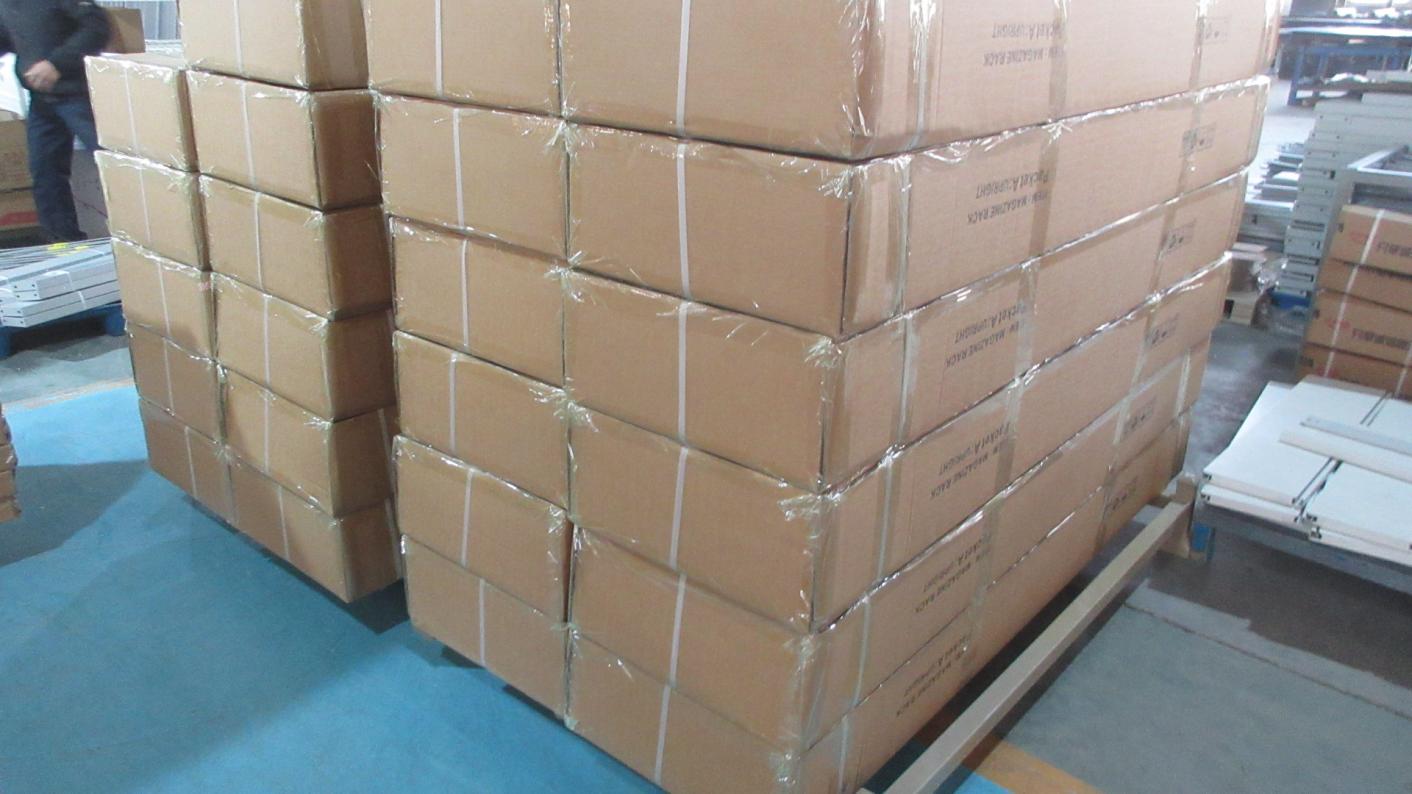
Additionally, specialized packaging designs, such as heavy-duty steel crates and moisture-barrier wrapping, protect structural frames during ocean transit. This helps ensure components arrive undamaged and ready for installation according to the project schedule.
Expert technical answers regarding load limits, structural certifications, and custom configurations.
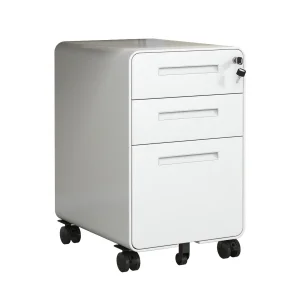
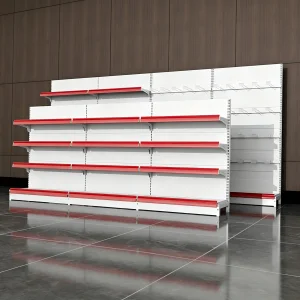
Discover our comprehensive selection of high-load racking, boltless industrial shelves, and lockable storage solutions.
 Luyuan Racks