
The global warehousing landscape is undergoing a structural paradigm shift. Rapid growth in cross-border e-commerce, localized supply chain restructuring, and the expansion of third-party logistics (3PL) operations have driven the demand for heavy-duty storage infrastructure to unprecedented levels. In this capital-intensive environment, industrial heavy-duty shelving is no longer viewed as static steel frames but as a critical node in high-throughput supply chain operations.
Globally, procurement directors are navigating rising steel raw material costs and volatile ocean freight rates. Consequently, selecting a manufacturing partner requires evaluating their engineering capabilities, localized regulatory certifications, and technological infrastructure rather than unit costs alone.
Deploying modular, scalable racking systems minimizes lead times and facilitates seamless expansions across regional distribution hubs.
Choosing high-yield structural carbon steel (like Q235B or Q355B) ensures structural integrity under variable load cycles.
Compatibility with Automated Storage and Retrieval Systems (AS/RS) is essential for future-proofing logistics networks.
Procuring industrial racking demands systematic quality assurance. To safeguard capital expenditures and ensure workplace safety, engineering teams should evaluate factories across four primary dimensions:
A premier manufacturer must demonstrate rigorous compliance with regional and global engineering codes. This includes the Rack Manufacturers Institute (RMI) standards in North America, EN 15512 specifications across Europe, and AS 4084 regulations in Australia. The engineering department should provide Finite Element Analysis (FEA) models simulating structural behavior under maximum static loads and dynamic load configurations, including seismic events.
The structural integrity of heavy-duty uprights and box beams depends on raw material quality. Factories should source steel from tier-one domestic mills with verifiable mill test certificates (MTCs). Surface finishes must feature electrostatic epoxy powder coating applied at a consistent dry film thickness (typically 60–80 microns), ensuring resistance to corrosion, moisture, and chemical exposure in demanding industrial environments.
Manual welding introduces variability and potential stress concentration points. Industry-leading factories employ robotic welding arms for upright frames and beam connector brackets, guaranteeing uniform weld penetration. Continuous weld monitoring systems and non-destructive testing (NDT), such as ultrasonic checks on critical joints, are essential to verify load-bearing reliability.
A reliable supplier maintains an independent quality control department. Raw materials must undergo mechanical testing (tensile strength and elongation) and dimensional checks before fabrication. Completed systems should undergo load deflection tests to confirm structural calculations and ensure the design safety factor meets or exceeds 1.5.
Different sectors demand distinct racking systems designed for specific operational configurations:
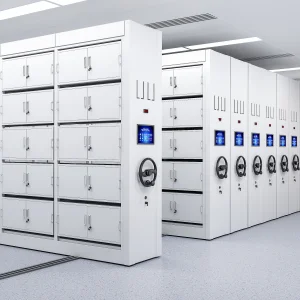
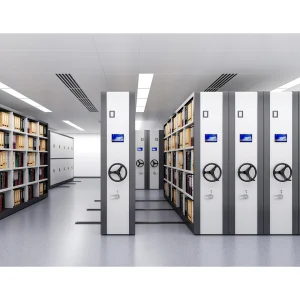
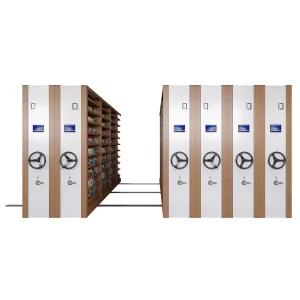
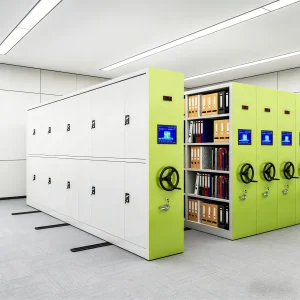
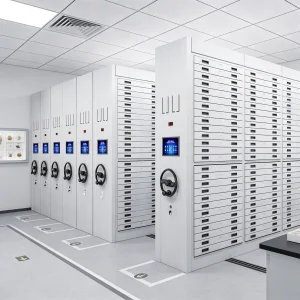
Requires high-density systems like Drive-In, Push-Back, or Mobile Racking. Materials must withstand temperatures down to -30°C without undergoing low-temperature steel embrittlement.
Requires high-bay Selective Pallet Racking or VNA (Very Narrow Aisle) configurations to optimize vertical volume and achieve 100% SKU accessibility for high-velocity picking operations.
For storing raw materials, dies, and machinery components. Cantilever racks and heavy-duty mold drawers are essential to handle high, concentrated weights.
Guangdong Luyuan Import and Export Trading Co., Ltd. serves as an industry benchmark for industrial storage racking systems and warehouse shelving solutions. Established in 2016, Luyuan brings over 12 years of industry manufacturing experience to the global market, operating a modern 18,000㎡ production facility.
With annual export revenues reaching USD 12 million and 8 years of export experience, Luyuan delivers heavy-duty pallet racks, cantilever systems, mezzanine floors, and highly customized warehouse storage solutions to a global client base.
Quality assurance is managed by an in-house team of 45 quality control specialists. They inspect raw materials, evaluate welding quality, perform dimensional verification, test load capacity, and check surface powder-coat adhesion to ensure compliance with international standards before shipment.
Luyuan maintains a network of over 850 supply chain partners, including primary steel mills, logistics providers, and storage distributors. This robust ecosystem supports OEM/ODM production and enables exports to North America, Europe, Australia, the Middle East, South America, and Asia.
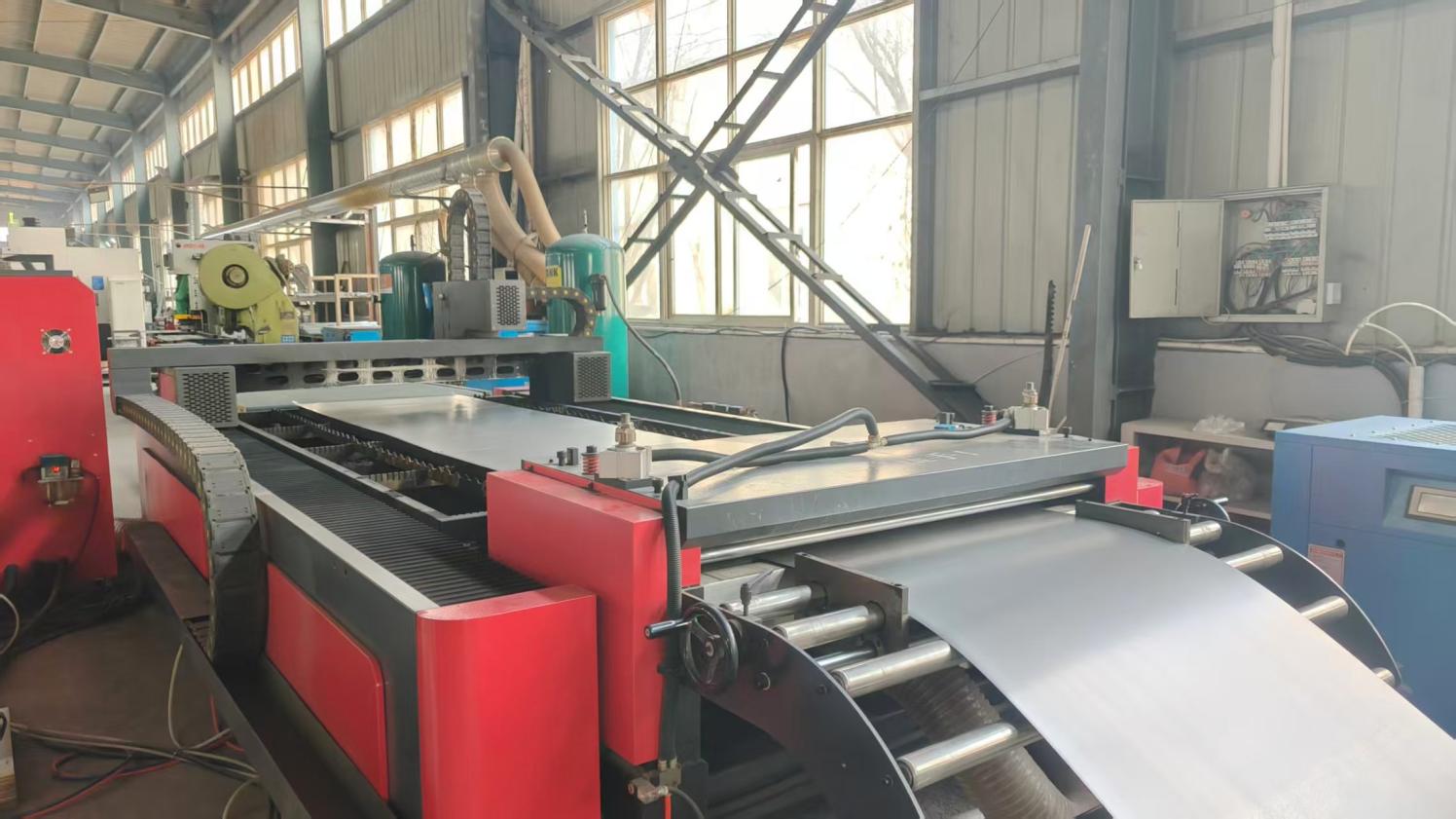
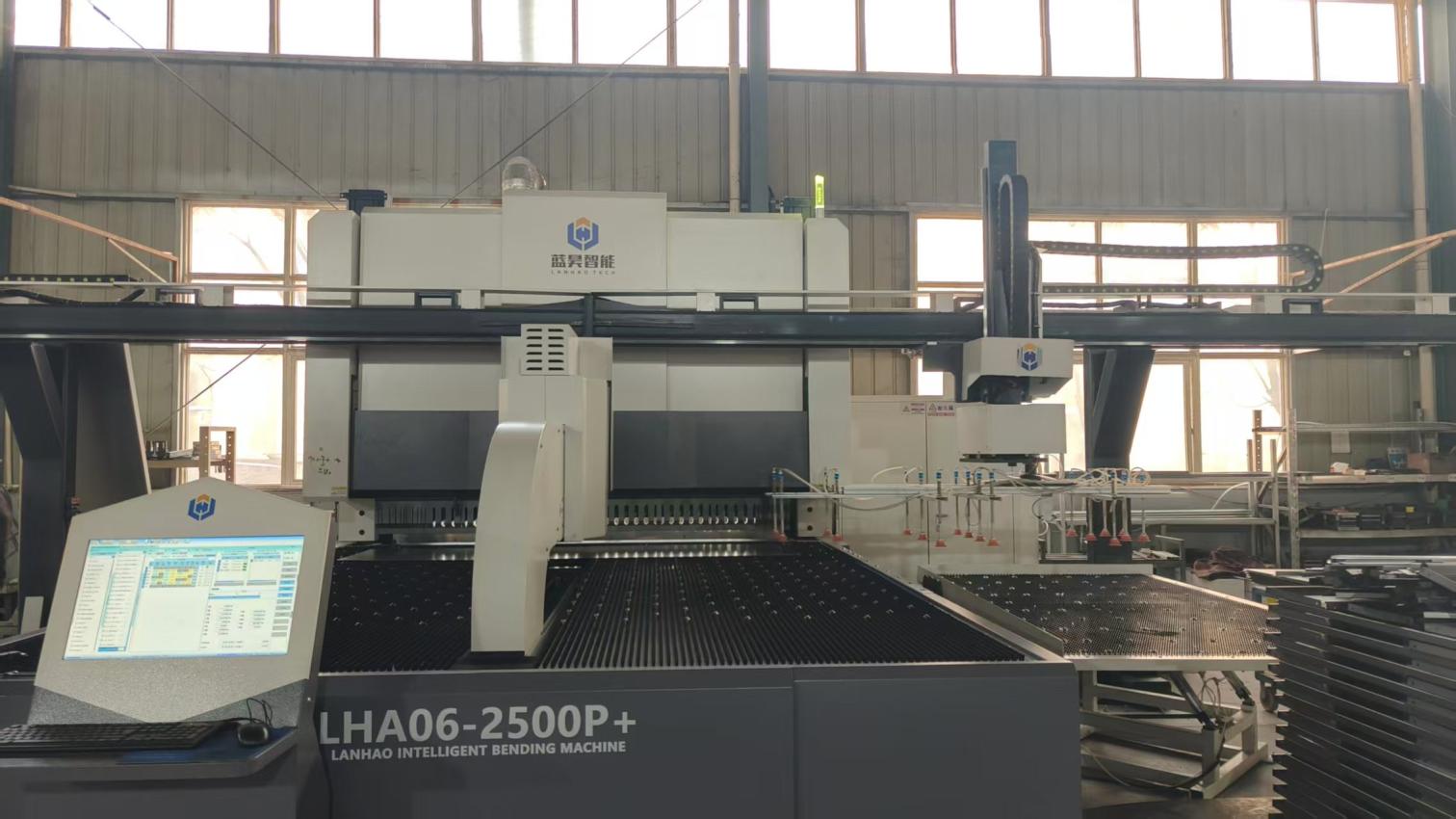
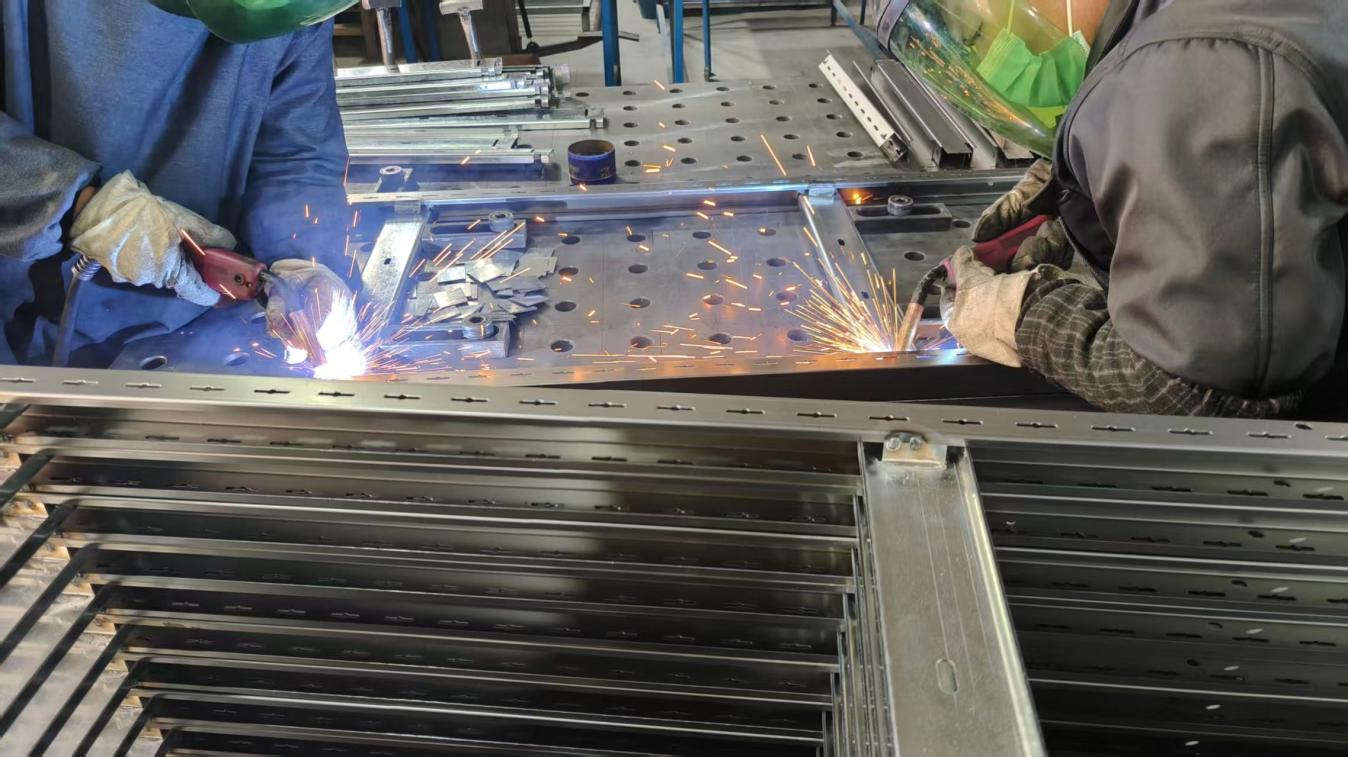
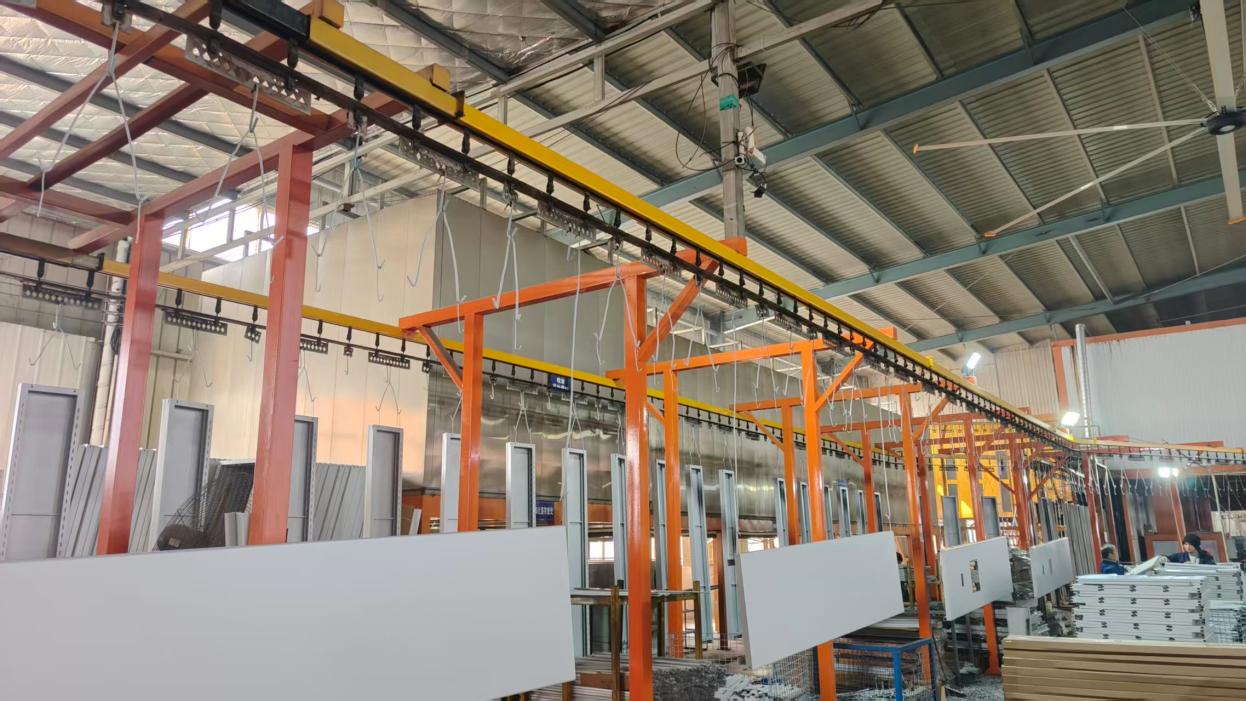
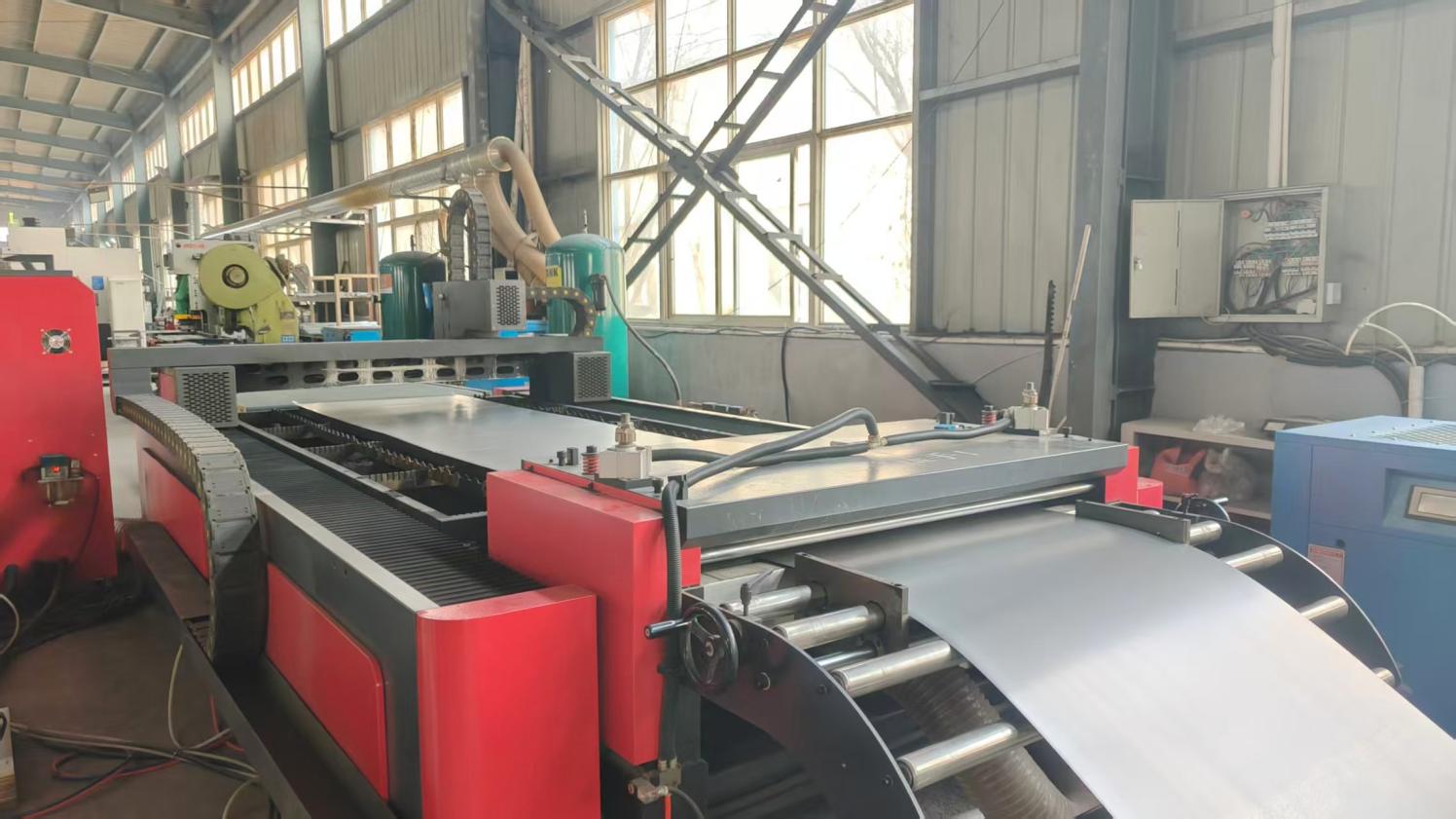
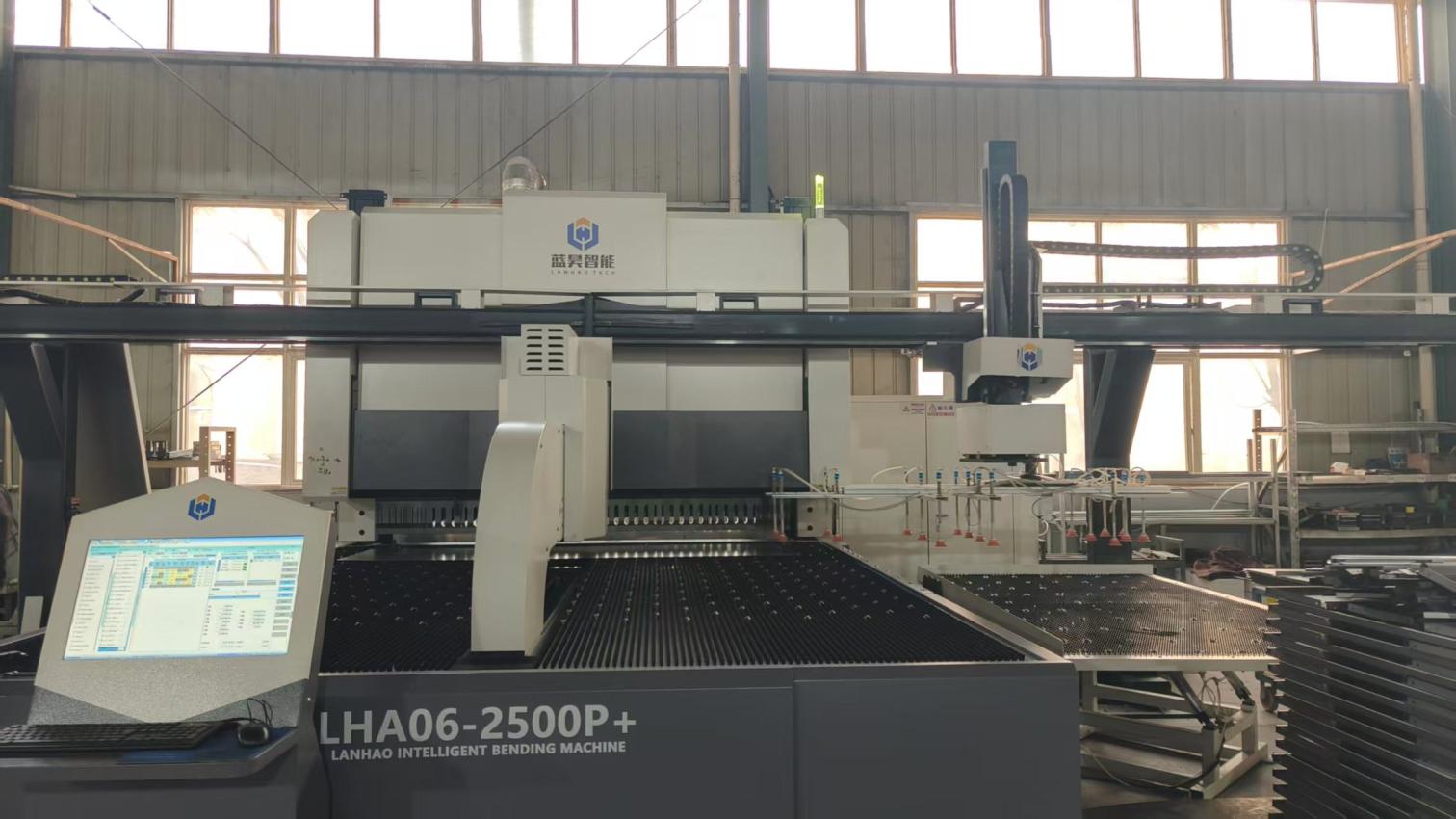
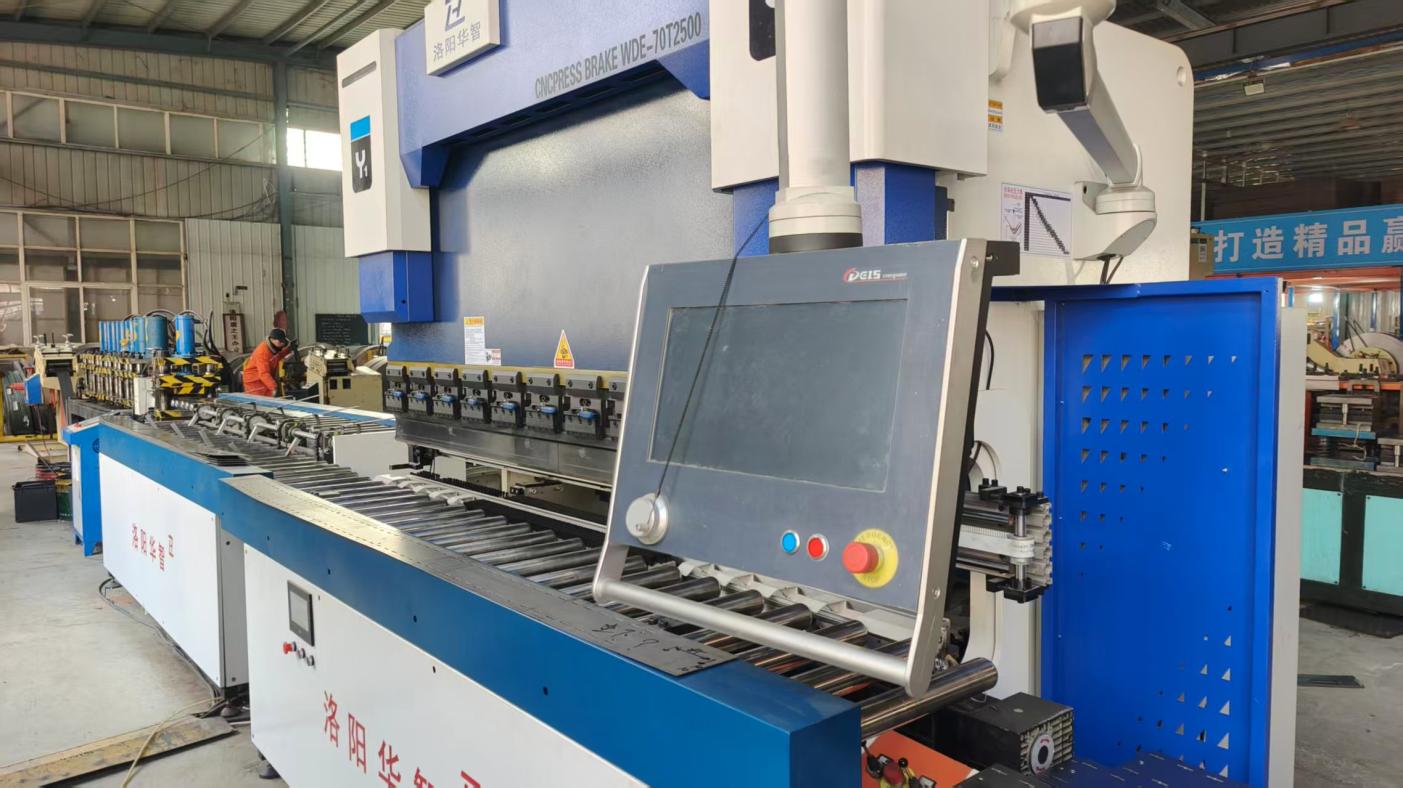
Precision fabrication is essential for structural safety in heavy-duty shelving. Below is the technical manufacturing process and equipment configuration deployed at the Luyuan production facility:
The industrial shelving sector is transitioning from static steel structures to intelligent, adaptive warehouse environments. Key developments shaping the market include:
Utilizing dynamic calculation engines to design custom baseplates and cross-bracing configurations that absorb and dissipate ground energy during seismic events.
Embedding load-cell strain gauges and displacement sensors within beams to feed real-time load and stability data directly to Warehouse Management Systems (WMS).
Adopting eco-friendly, zero-VOC powder-coating lines, energy-efficient lasers, and recycled structural steel alloys to minimize environmental impact.
Procuring heavy-duty shelving requires managing international shipping and complying with regional building codes. Top manufacturers support this process through:
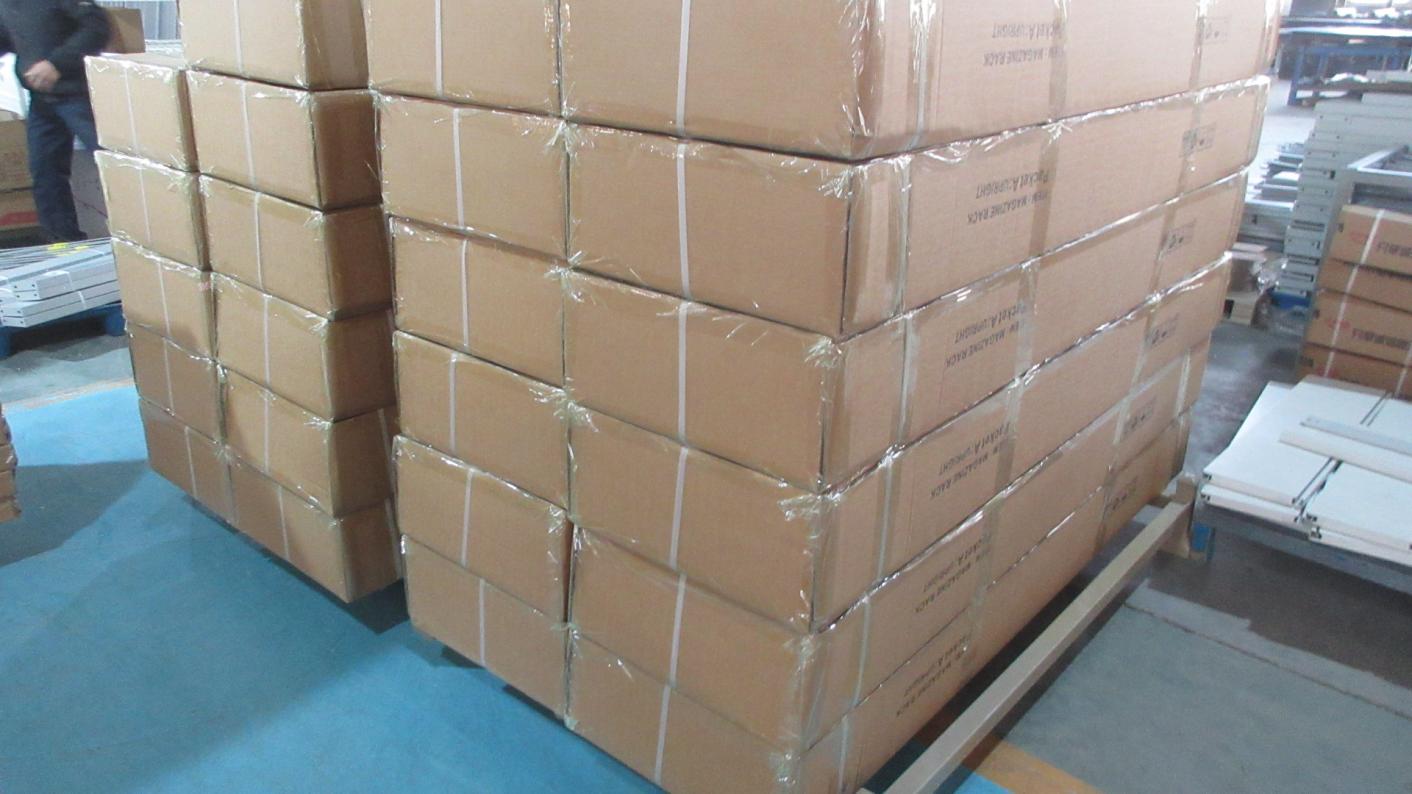
Proper packaging is critical to prevent surface damage and structural warping during sea transit. Upright frames and beams should be securely bound with heavy-duty plastic strapping, padded with protective foam wraps, and shipped on custom steel-skid bases for safe container loading and unloading.
Manufacturers provide comprehensive technical documentation, detailed installation manuals, and structural calculations to assist local certified installation teams, streamlining the permitting and final sign-off processes.

 Luyuan Racks