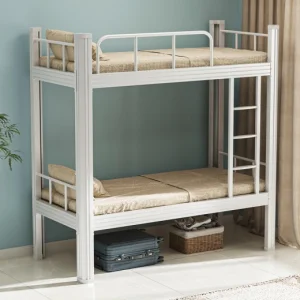
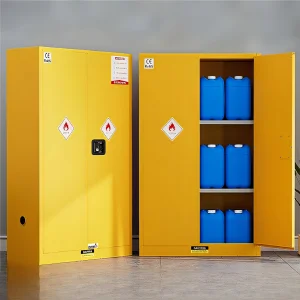
Explore our flagship inventory systems optimized for high throughput, heavy-duty load capacities, and precision engineering alignment.
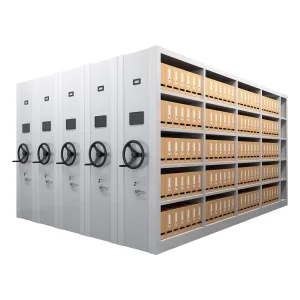
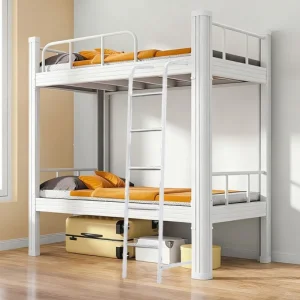
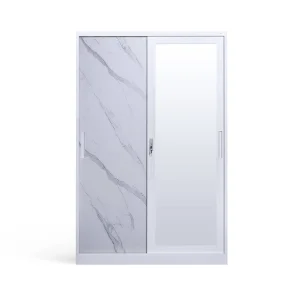
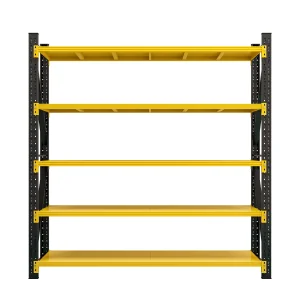
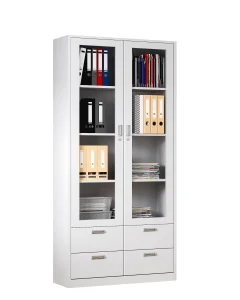
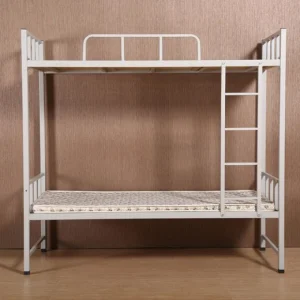
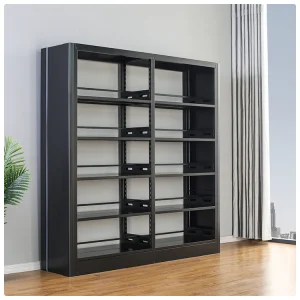
An Expert Analysis of High-Density Storage Engineering, Pallet Flow Dynamics, and Space Optimization Metrics.
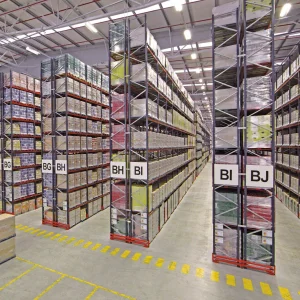
In modern industrial logistics, First-In, First-Out (FIFO) racking systems serve as the cornerstone for high-throughput, time-sensitive inventory management. Industries dealing with perishable goods, chemicals, food and beverage, and high-velocity consumer goods (FMCG) rely heavily on FIFO flow mechanics to guarantee zero-spoilage and strict batch control. Unlike traditional Static Racking, FIFO racking relies on gravity-driven lanes or automated cart mechanisms to channel pallets from the loading (entry) aisle directly to the picking (retrieval) aisle.
Pallet flow racks consist of dynamic structural frameworks incorporating inclined roller tracks, speed controllers, and dynamic braking mechanisms. Steel rollers, mounted at a predetermined pitch (typically a 3% to 4% gradient), allow loaded pallets to glide seamlessly under the force of gravity. When a pallet is extracted from the picking face, the next pallet in line automatically rolls forward, occupying the primary picking position. This ensures continuous replenishment without forklift intrusion into the storage lanes, significantly lowering carbon emissions and reducing mechanical damage to the storage uprights.
How the industry benchmarks safety, steel alloy grade, structural reliability, and systemic value.
Selecting a global partner for high-density racking installations goes beyond comparison of basic steel prices. In accordance with the RMI (Rack Manufacturers Institute) guidelines in the United States and the FEM 10.2.02 standards in Europe, structural integrity and engineering traceability define the top tier of international manufacturers. A top-performing exporter must offer audited seismic safety calculations, raw material traceability certificates (such as Mill Test Reports), and localized structural engineering compliance.
Top-tier suppliers run advanced Finite Element Analysis (FEA) to simulate earthquake loads. Racks must resist lateral forces via heavy-duty baseplates, stiffened upright sections, and robust bracing configurations.
Exporters must utilize high-tensile structural steel (primarily Q235B and Q355B in Asia, equivalent to ASTM A1011 or S355JR), featuring certified yield and tensile strengths to handle prolonged mechanical strain.
Auditable manufacturing processes certified under ISO 9001:2015, EN 1090 (CE marking), and AWS D1.1 structural welding requirements guarantee consistent structural tolerances across production batches.
A globally recognized powerhouse in specialized industrial storage racks and heavy-duty logistics systems.
Established in 2016, Guangdong Luyuan Import and Export Trading Co., Ltd. has scaled rapidly to become a professional warehouse storage rack manufacturer and global supplier. The organization integrates product design, manufacturing, strict quality inspection, and international trade services. From its state-of-the-art 18,000㎡ modern production facility, the company engineers solutions tailored to complex global logistics layouts.
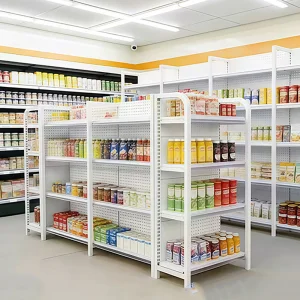
Backed by over 12 years of core industry experience and 8 years of successful export operations, Luyuan generates an annual export revenue of approximately USD 12 million. Specializing in high-performance pallet racks, heavy-duty racking, cantilever racks, mezzanine systems, supermarket shelving, and customized warehouse configurations, the company has deployed storage solutions to partners across Europe, North America, South America, Southeast Asia, the Middle East, and Africa. Their primary markets include highly demanding regulatory zones such as the United States, Germany, Australia, Saudi Arabia, Thailand, and Brazil.
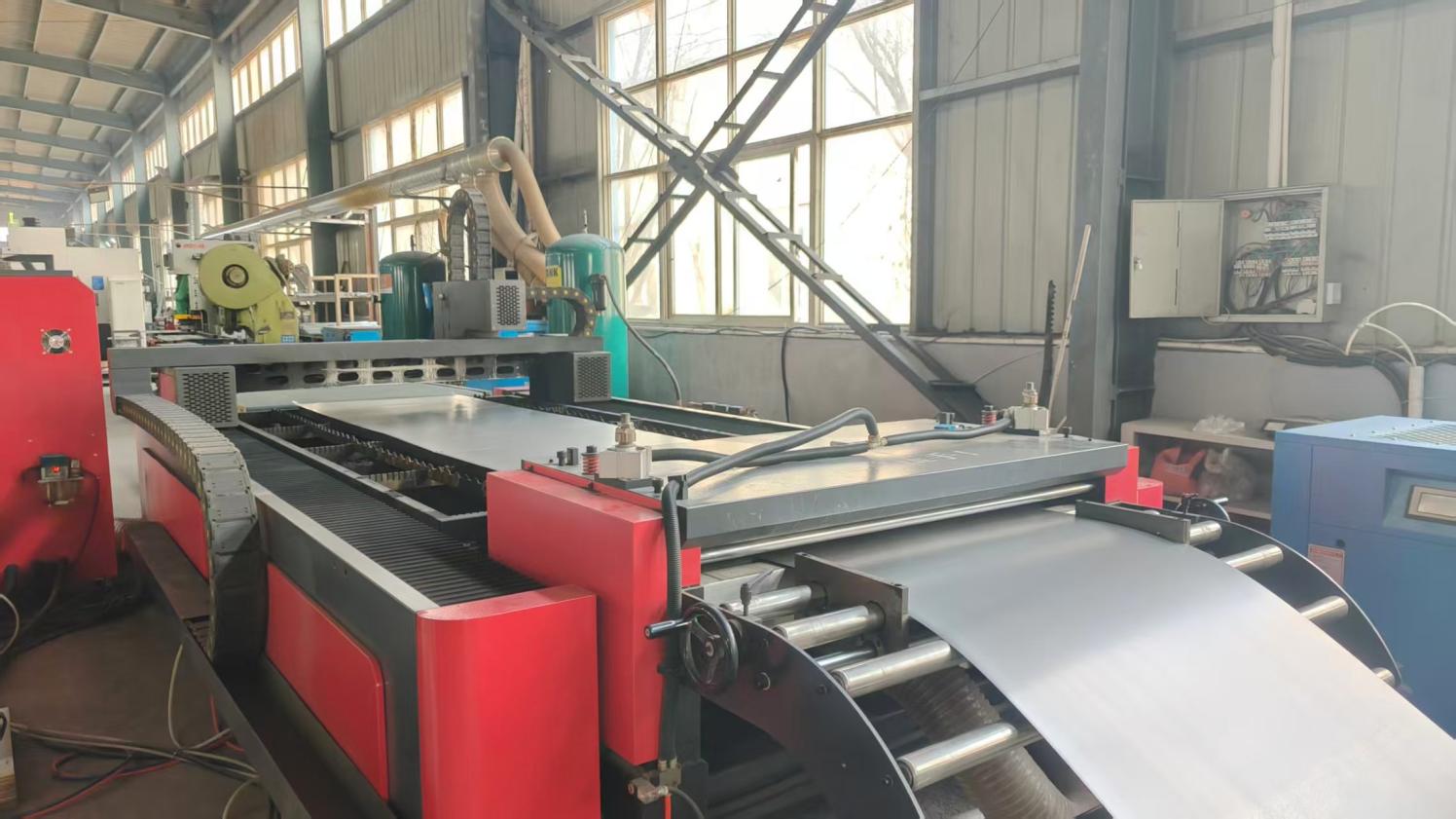
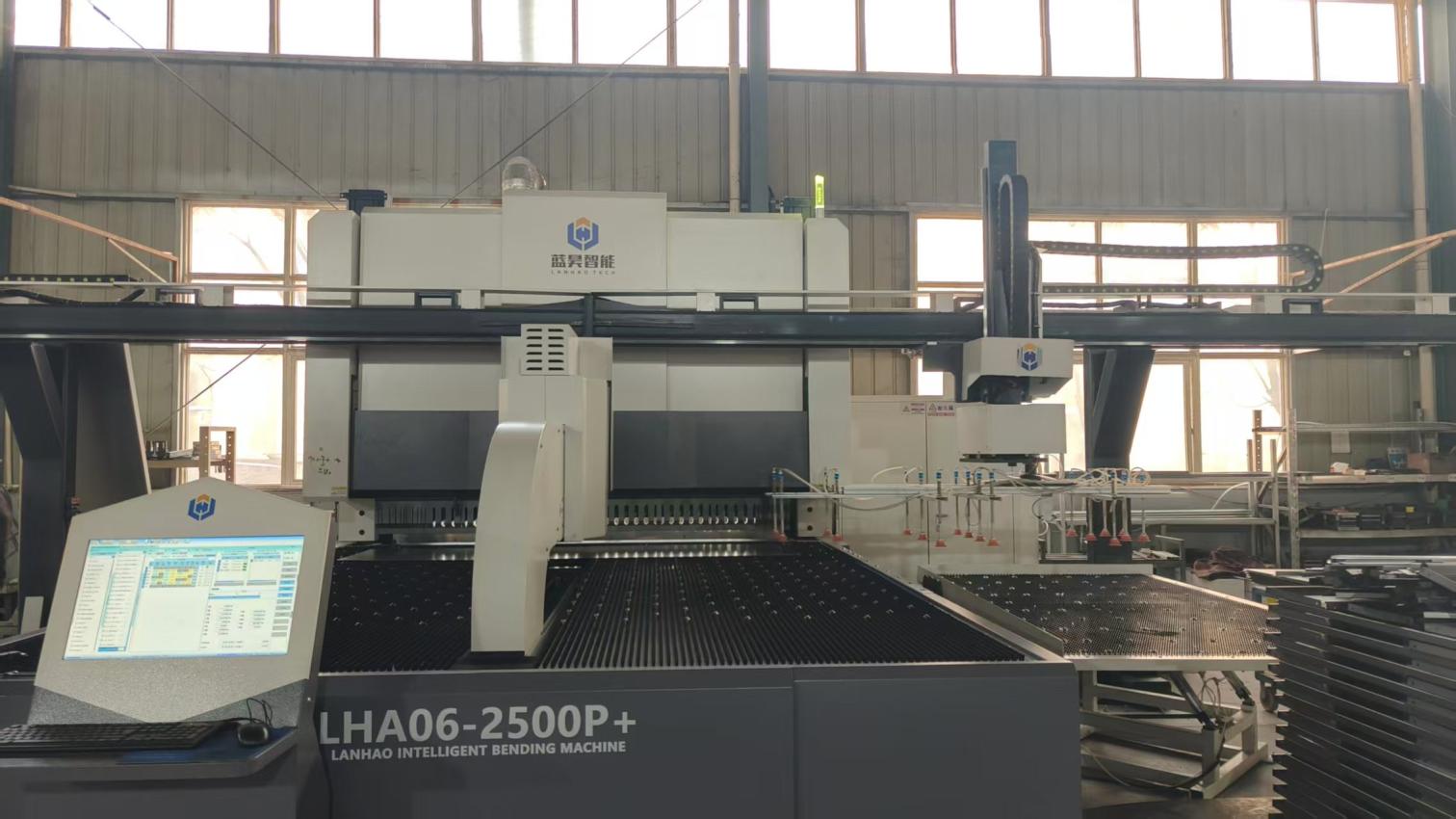
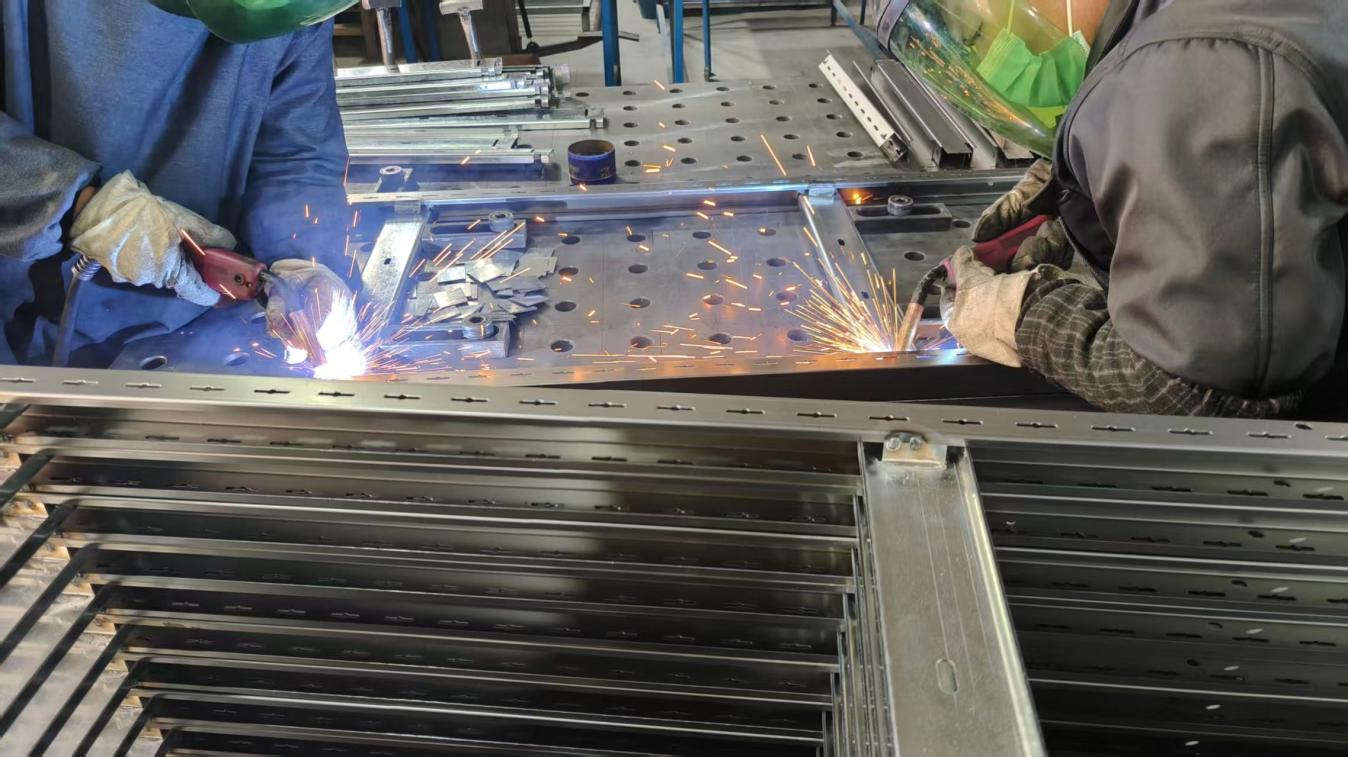
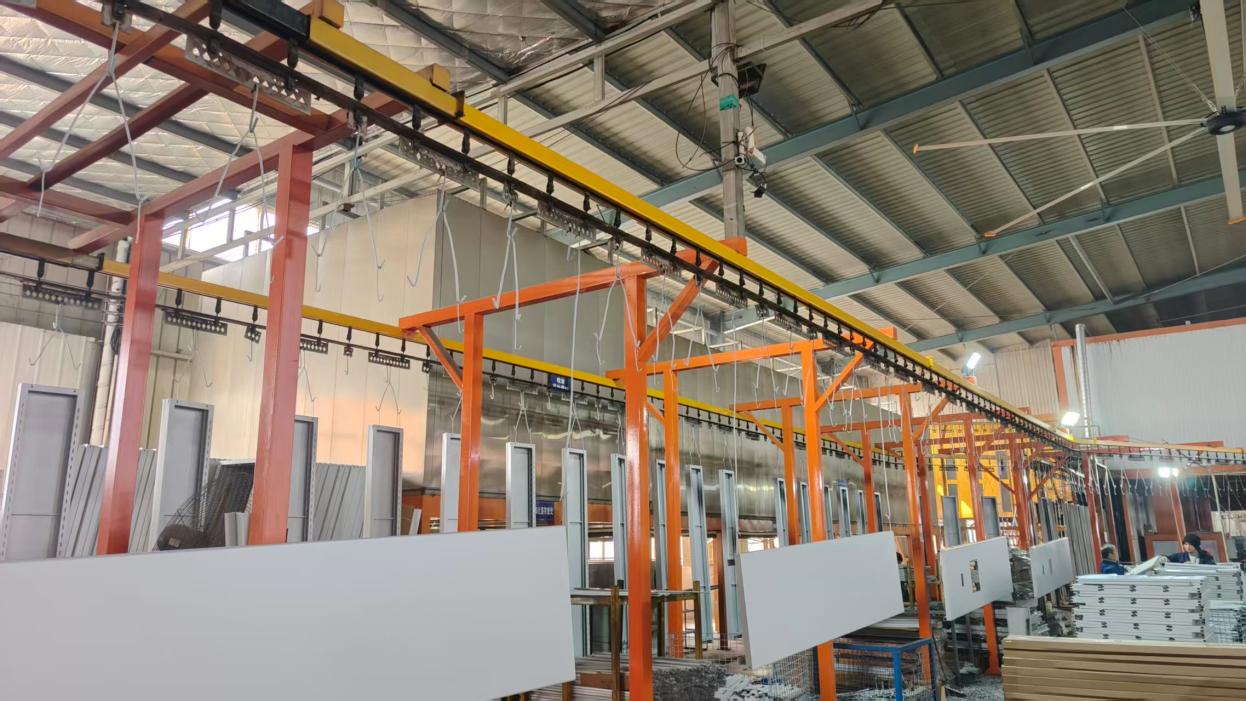
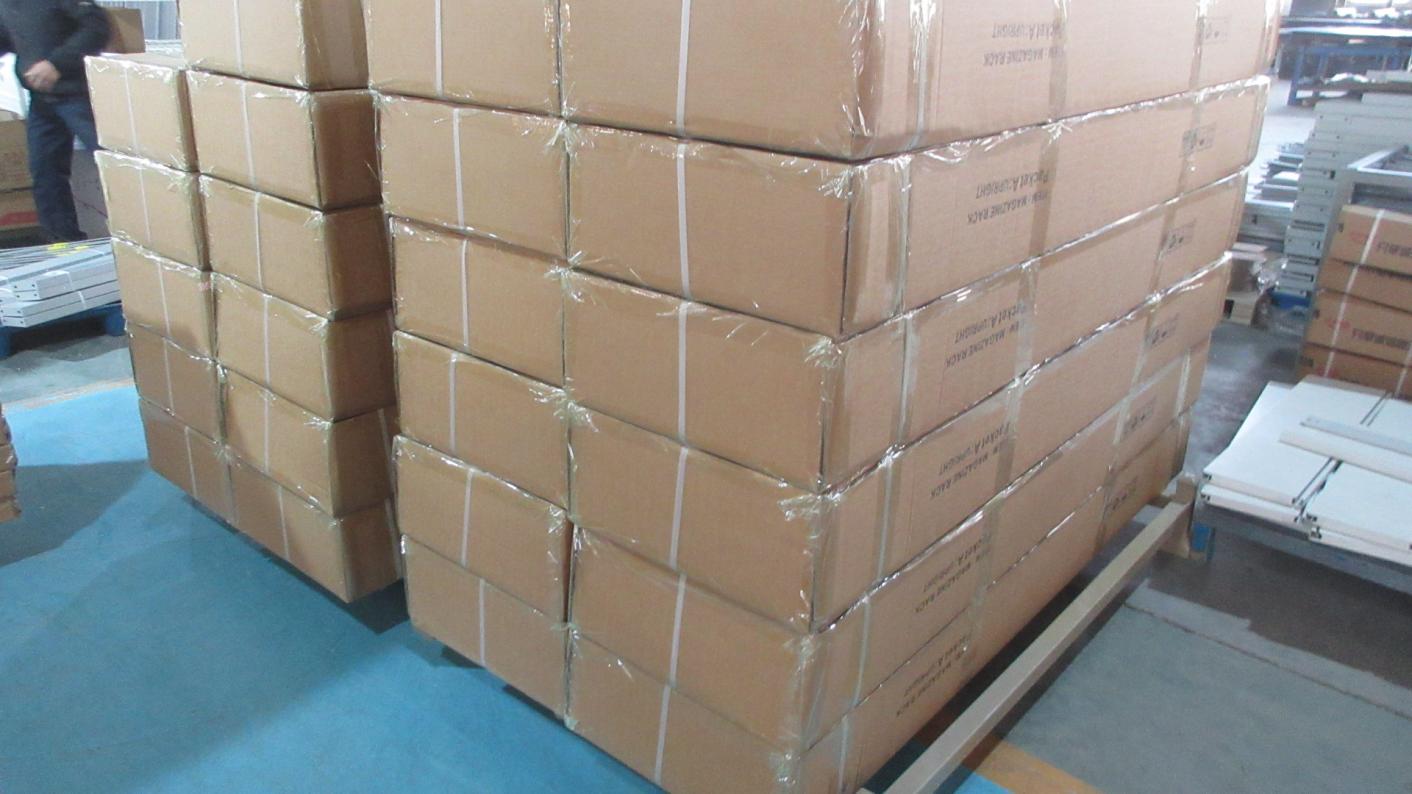
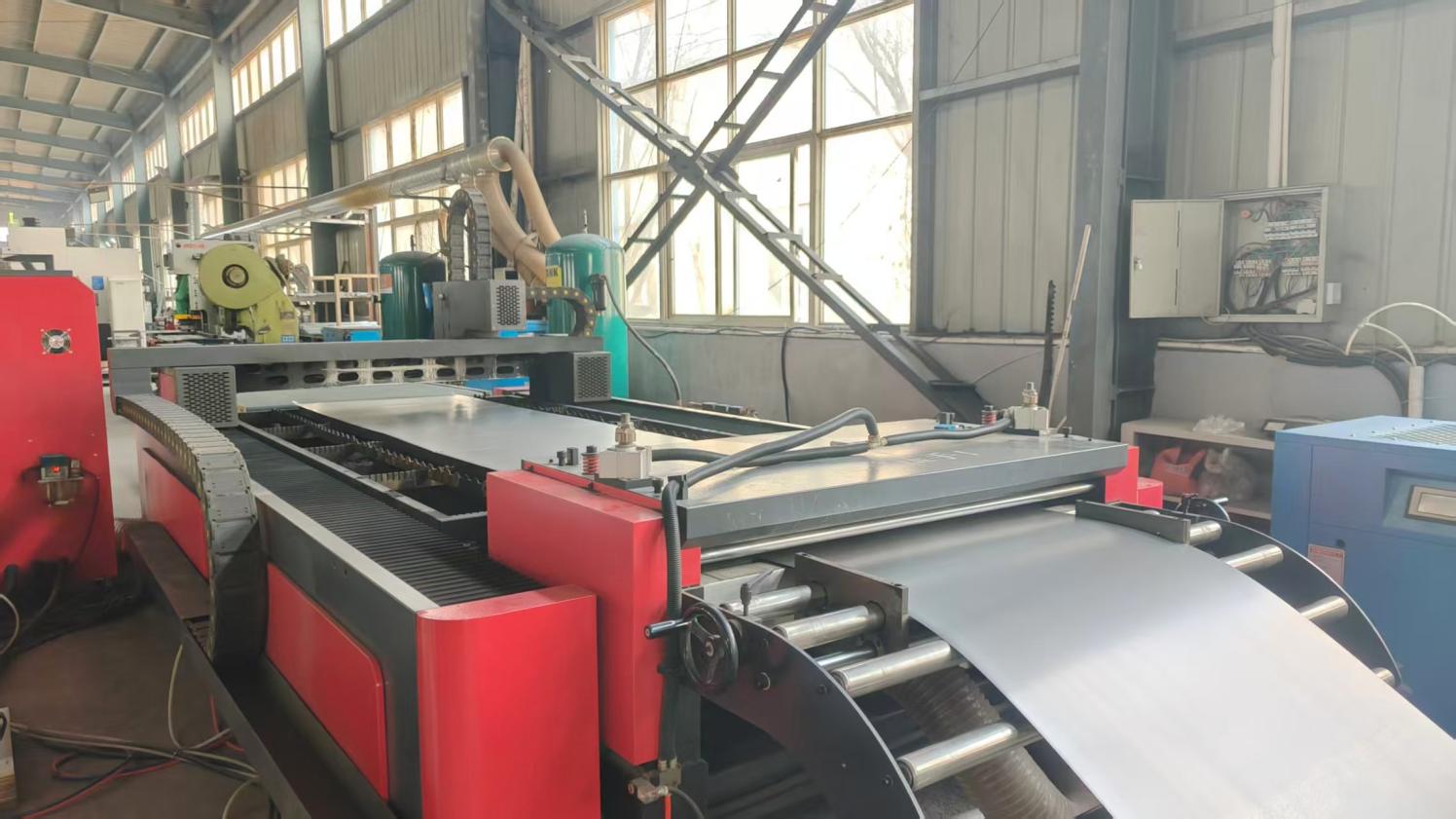
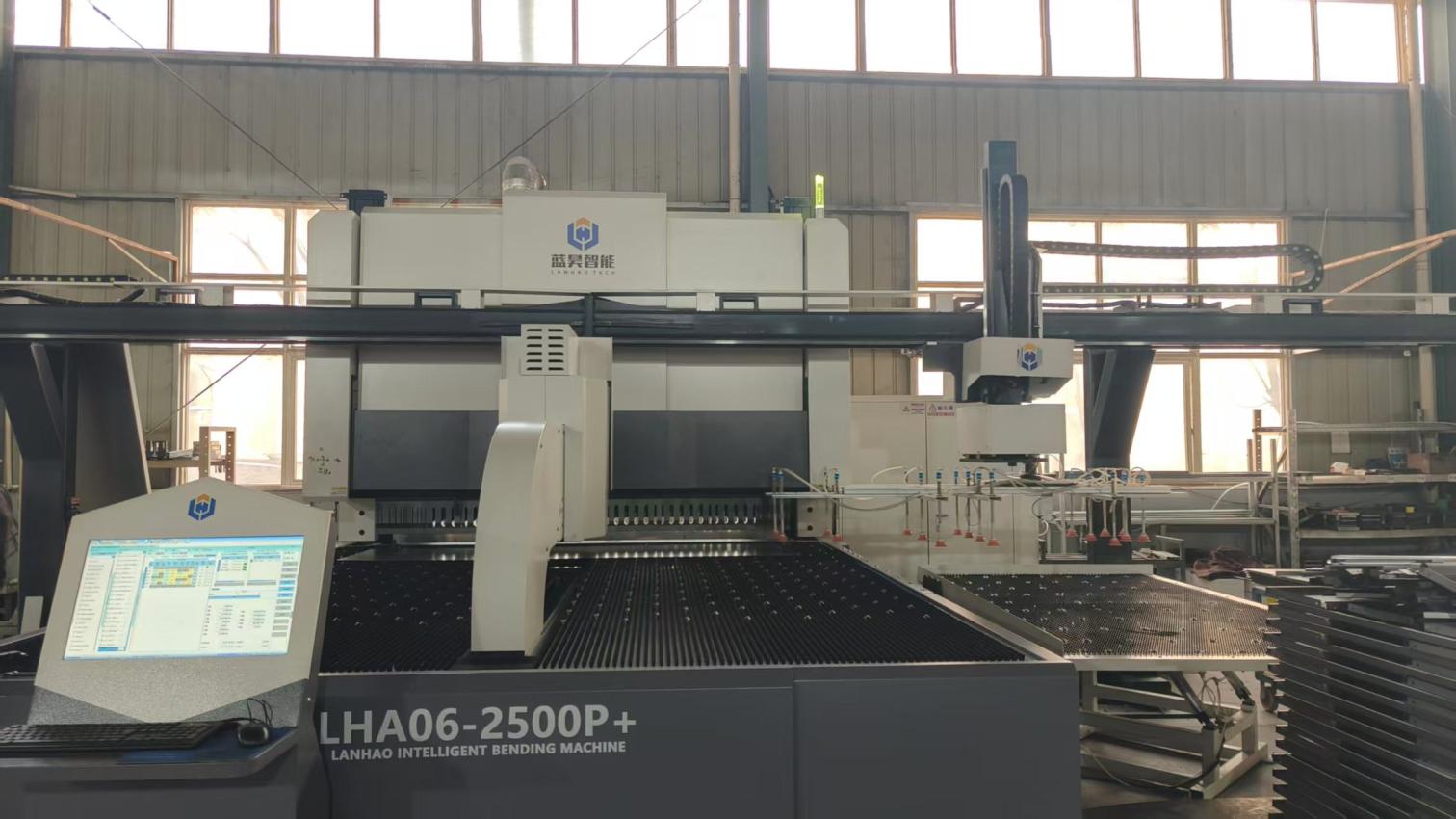
The manufacturing paradigms that drive structural cost advantages, rapid turnarounds, and systemic reliability.
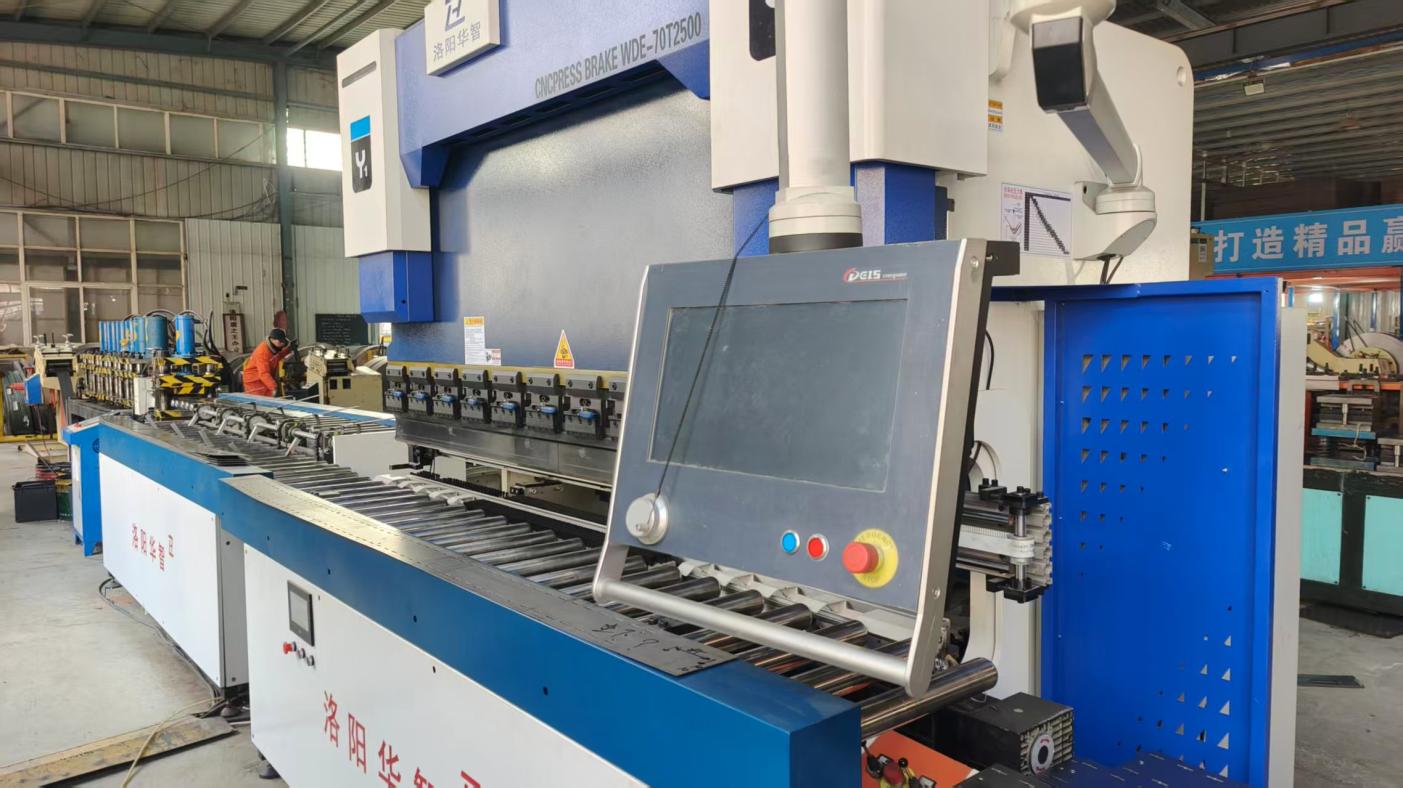
The industrial shift towards Industry 4.0 has revolutionized Chinese fabrication capabilities. Rather than relying on simple manual metalworking, modern manufacturing plants utilize fully integrated, automated production lines. Raw material processing is closely synchronized with automated rolling mills that form upright profiles with millimeter-level precision. This high-efficiency manufacturing ecosystem translates into a major structural cost advantage for international buyers without sacrificing structural integrity.
Luyuan implements strict quality control protocols across all phases of production. The quality assurance team consists of 45 certified members tracking steps from raw material verification to structural load tests:
Discover the engineering shifts steering the future of high-density warehouse storage systems.
The industrial storage industry is transitioning from passive gravity-fed solutions to active, intelligent automated configurations. While traditional gravity rollers remain the most cost-effective and highly reliable option for standard operations, technology roadmaps point toward hybrid designs. The integration of AS/RS (Automated Storage and Retrieval Systems) with dynamic FIFO flow channels represents the future of smart industrial warehousing.
Integration of optical and weight sensors within flow lanes to provide real-time updates on lane occupancy, potential hang-ups, and batch age metrics.
Development of next-generation roller coatings that resist dust accumulation and cold-room icing, maintaining consistent roll velocity down to -30°C.
Racking frames designed with adjustable dynamic inclinations, allowing facilities to easily modify gravity flow lanes for varying product profiles.
Transitioning toward structural steel fabricated with low-carbon manufacturing processes, helping global buyers hit scope 3 emission targets.
A blueprint for procurement managers to optimize structural logistics costs and maximize investment returns.
For multinational corporations, purchasing industrial shelving is a long-term capital expenditure (CAPEX). Achieving a low Total Cost of Ownership (TCO) requires balancing initial purchase prices with freight efficiency, installation costs, and structural durability. Choosing a supplier with professional structural engineering consulting departments (such as Luyuan's 28-member engineering division) guarantees that warehouse layouts are fully optimized to maximize pallet positions while ensuring worker safety.
Get answers to common technical and operational questions regarding FIFO Pallet Flow configurations.
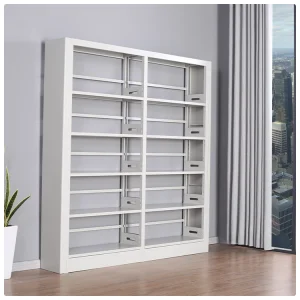
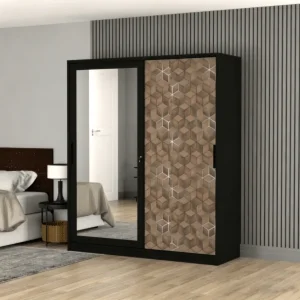
Explore our complete selection of storage cabinets, industrial racking, retail displays, and laboratory safety equipment.
 Luyuan Racks