Explore our top-tier engineering systems, customizable commercial displays, and metal hardware optimized for modern warehousing, administrative, and institutional footprints.

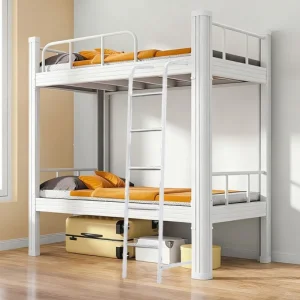
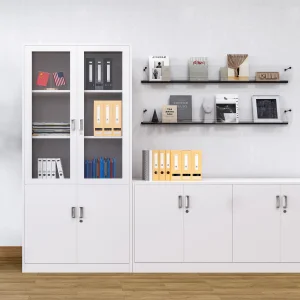
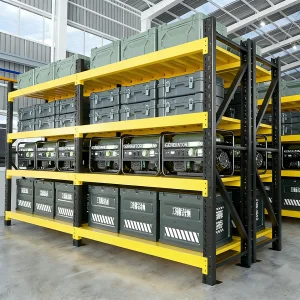
As supply chains shift from linear operations to dynamic networks, multinational enterprises face the critical task of maximizing warehouse spatial density. Rising urban land costs and the boom of quick-commerce require intelligent vertical cubic space usage. Companies are moving away from traditional static shelving systems toward dynamic, high-density configurations, including automated storage and retrieval systems (AS/RS).
Primary Sourcing Objectives: Industrial buyers focus on structural integrity, scalability, and system compatibility. Systems must integrate with existing Warehouse Management Systems (WMS) and Warehouse Control Systems (WCS). Standardizing shelving systems across global sites helps companies streamline safety certifications, lower maintenance overhead, and optimize material flow dynamics.
In addition, global supply chains prioritize risk mitigation. Sourcing managers now prefer suppliers that offer comprehensive engineering support—including structural calculations under regional seismic codes (like RMI standards in the USA and FEM guidelines in Europe)—to guarantee safety compliance and long-term investment protection.
Modern industrial complexes require specialized storage solutions that match their material characteristics, weight capacities, and picking rates. High-density storage engineering divides warehouses into zones based on inventory turnover speed. Mezzanine floors, heavy-duty cantilever structures, and modular pallet flow networks form the baseline of optimized industrial setups.
Integration with Automated Hardware: Static systems are increasingly configured to support future automation, such as Autonomous Mobile Robots (AMRs), Automated Guided Vehicles (AGVs), and crane-driven racking systems. By planning load configurations and aisle paths early, industrial operators can transition from manual material handling to semi-automated or fully automated workflows without replacing their primary racking structures.
This layout planning helps manufacturers and logistics providers scale their throughput capacity. Investing in modular structural systems allows facilities to adapt easily to changing SKU shapes, seasonal demand peaks, and evolving shipping standards.
A detailed look at advanced production standards, strict quality assurance protocols, and structural engineering capacities that define top-tier industrial racking suppliers.
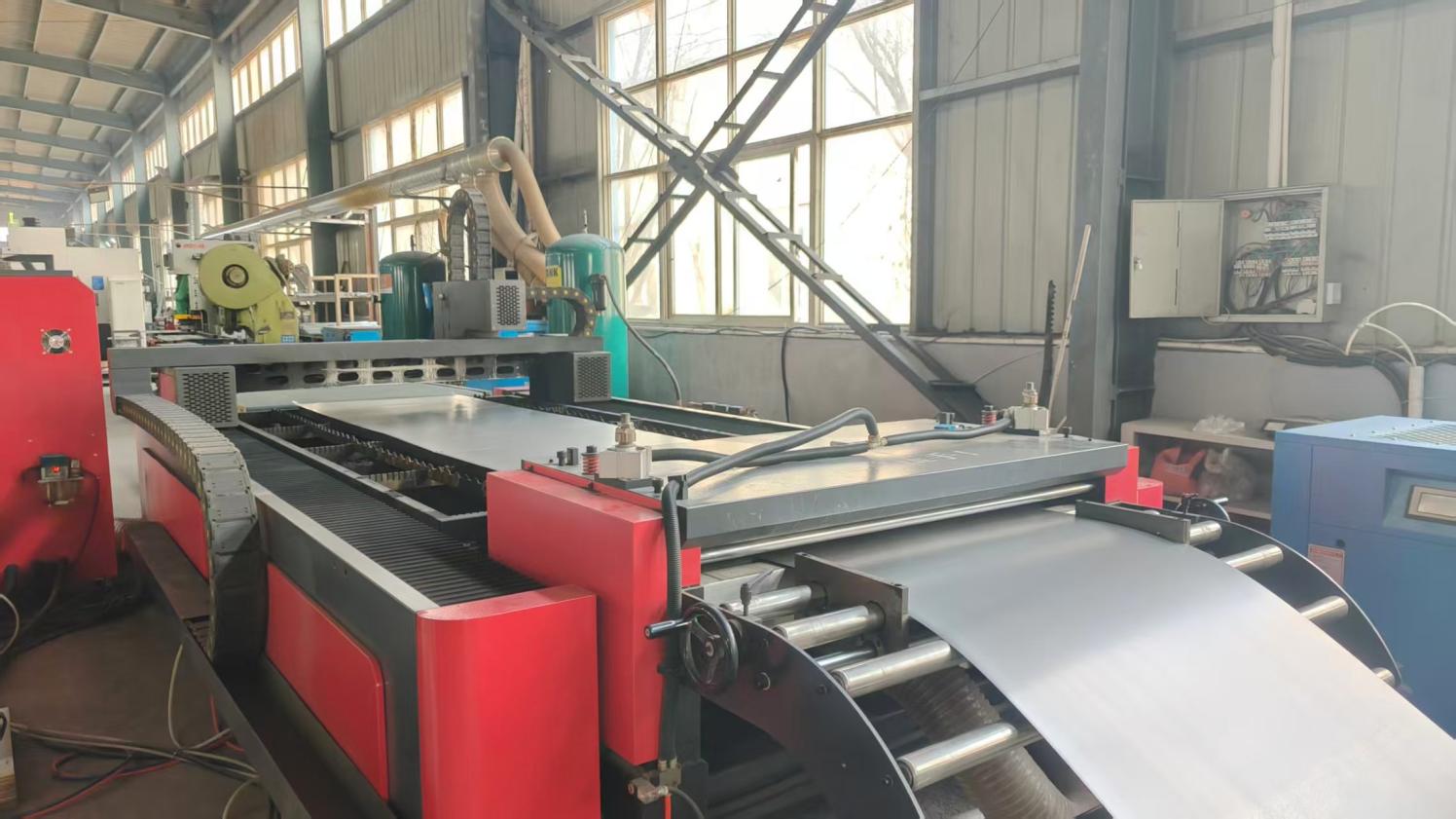
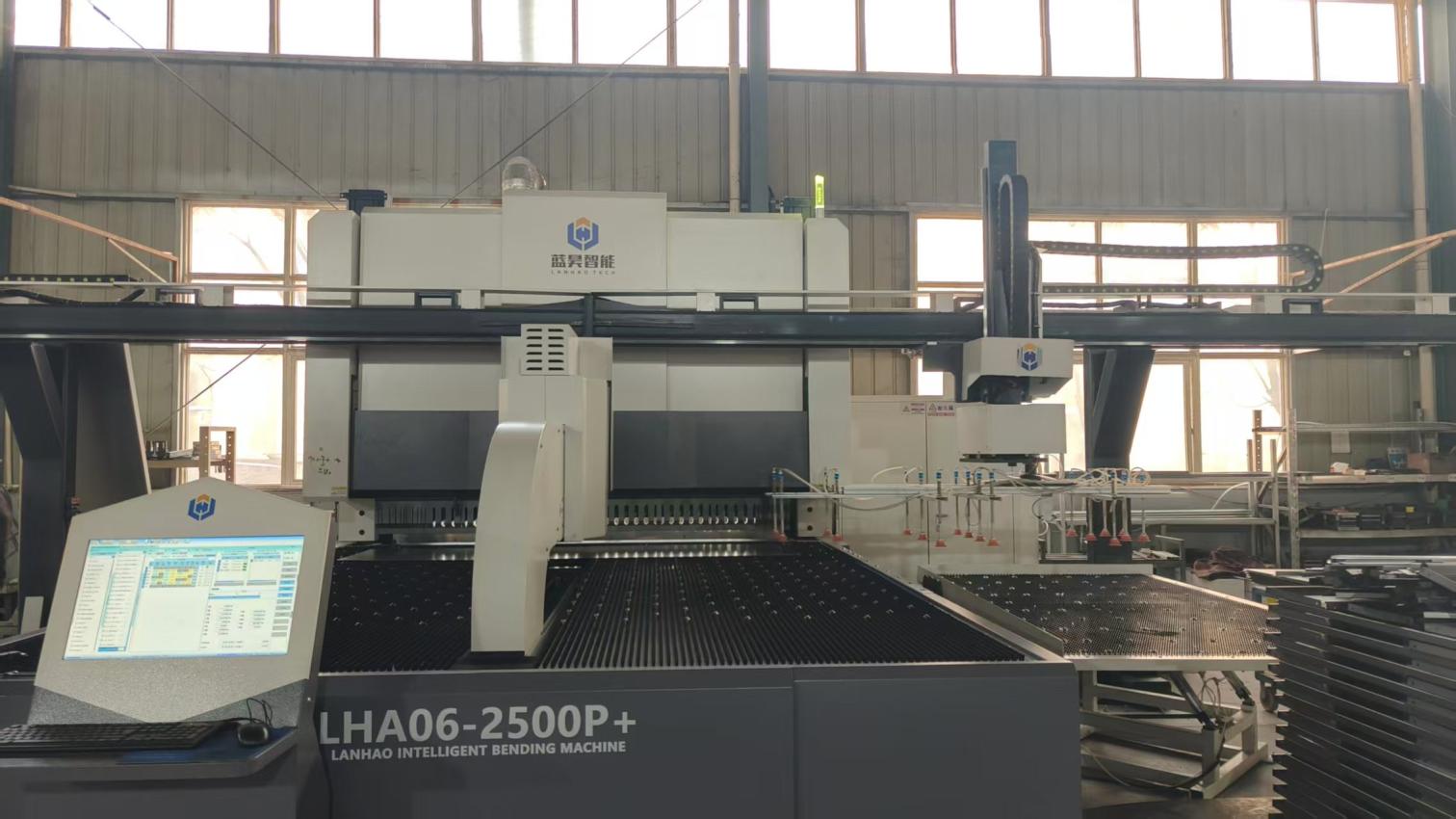
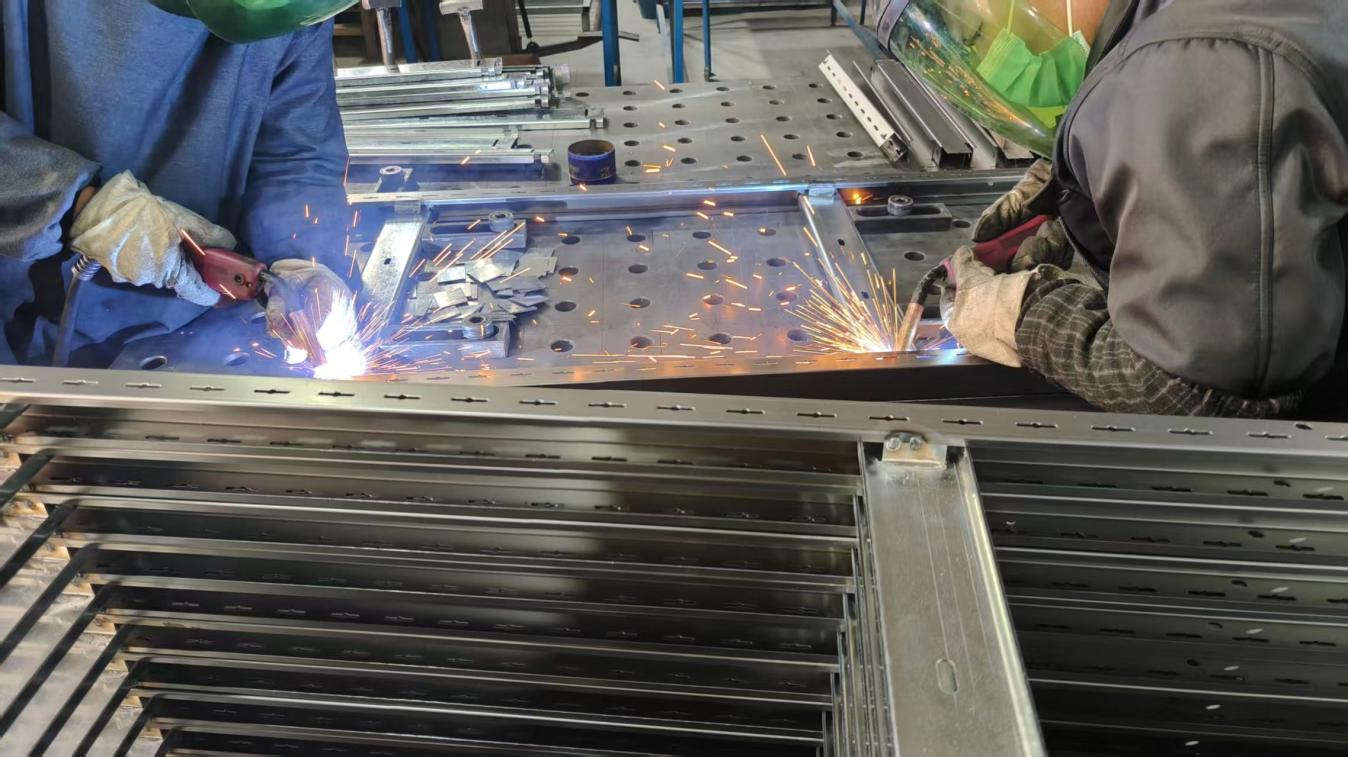
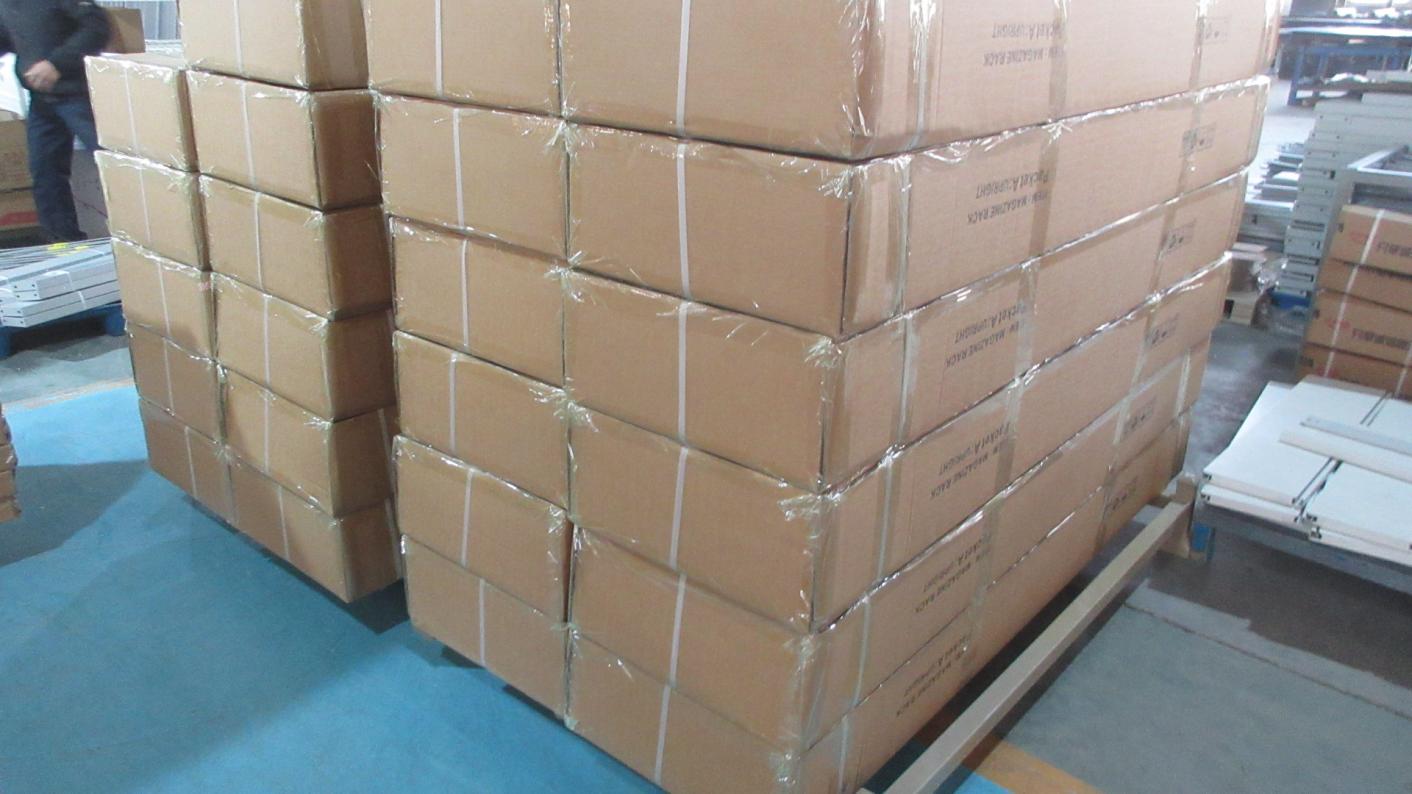
Established in 2016, Guangdong Luyuan Import and Export Trading Co., Ltd. operates a modern 18,000㎡ facility. The company integrates structural design, advanced fabrication, strict quality control, and global logistics. Luyuan specializes in industrial racking systems, warehouse shelving, and customized storage solutions. It serves warehouse operators, logistics companies, retail chains, and construction projects worldwide.
With an annual export revenue of USD 12 million and 12 years of industry experience, the company supports complex OEM/ODM projects across Europe, North America, South America, Southeast Asia, the Middle East, and Africa. Key export destinations include the United States, Germany, Australia, Saudi Arabia, Thailand, and Brazil.
Luyuan's success is driven by its 28-member engineering R&D team. They specialize in structural calculations, seismic loading layout optimization, and custom racking system development. Last year, the team launched over 120 new and updated products to meet the evolving demands of smart logistics and modern distribution hubs.
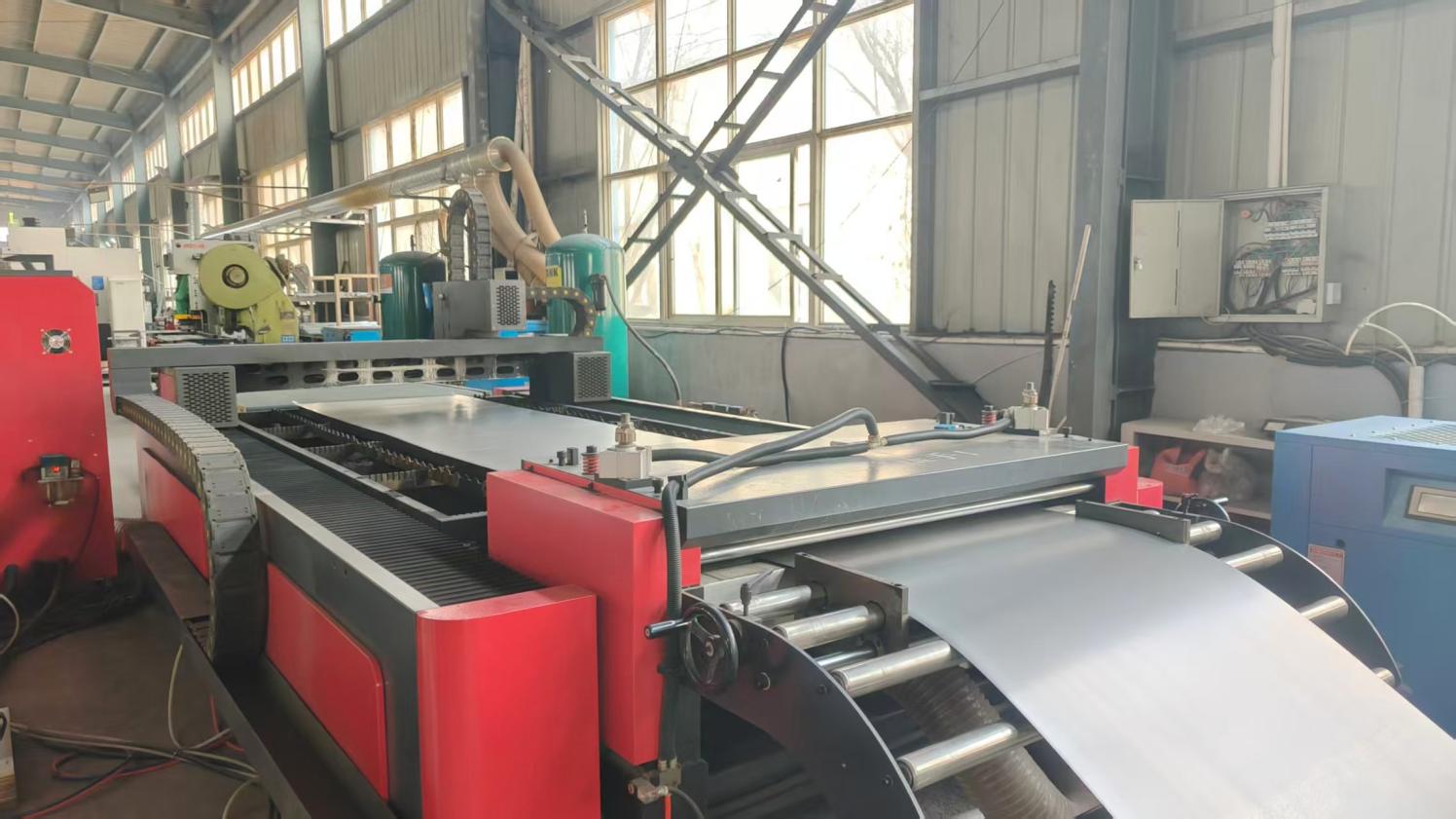
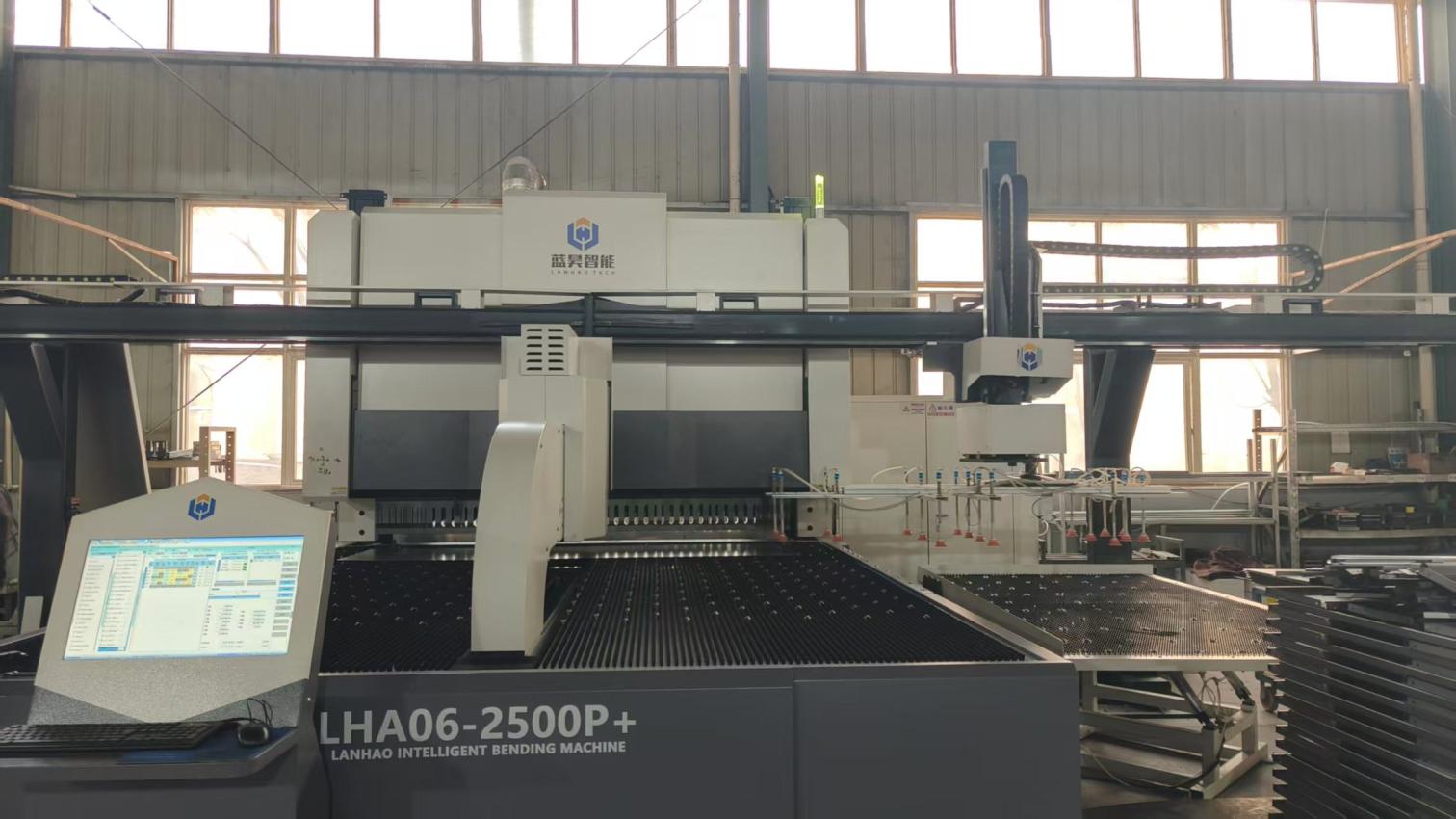
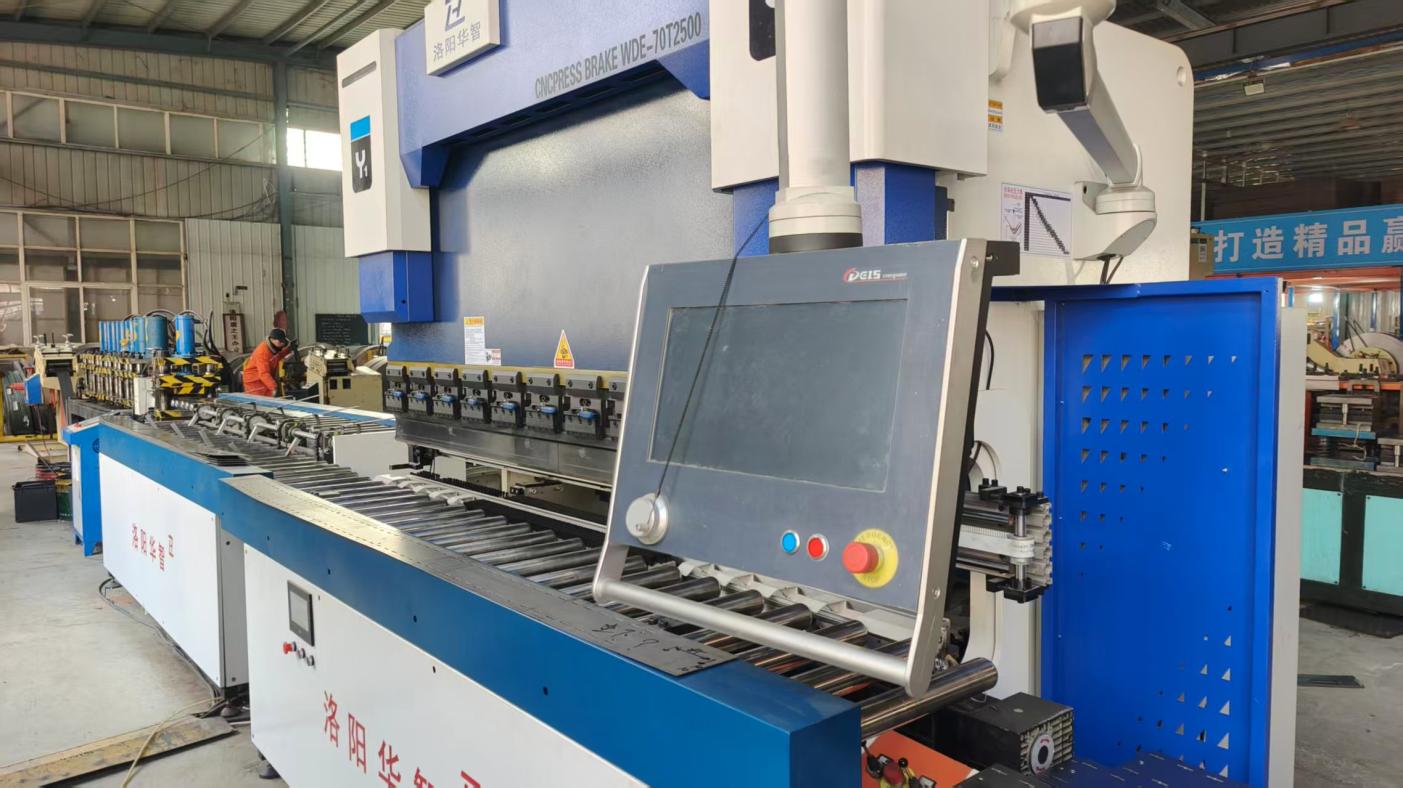
The future of material handling depends on integrating physical structural racks with smart software networks.
Smart racking is shifting toward real-time structural health monitoring. Integrating piezoelectric sensors and strain gauges into load-bearing uprights allows operators to track structural stress, load deflection, and accidental forklift impacts. This continuous data stream warns managers before mechanical failures occur, reducing workplace risks.
Integrating hardware designs with modern WMS platforms helps dynamic storage systems manage automated SKU location assignment. Real-time slotting algorithms use order histories to place high-demand items in quick-access zones, reducing travel times for pickers and AMRs.
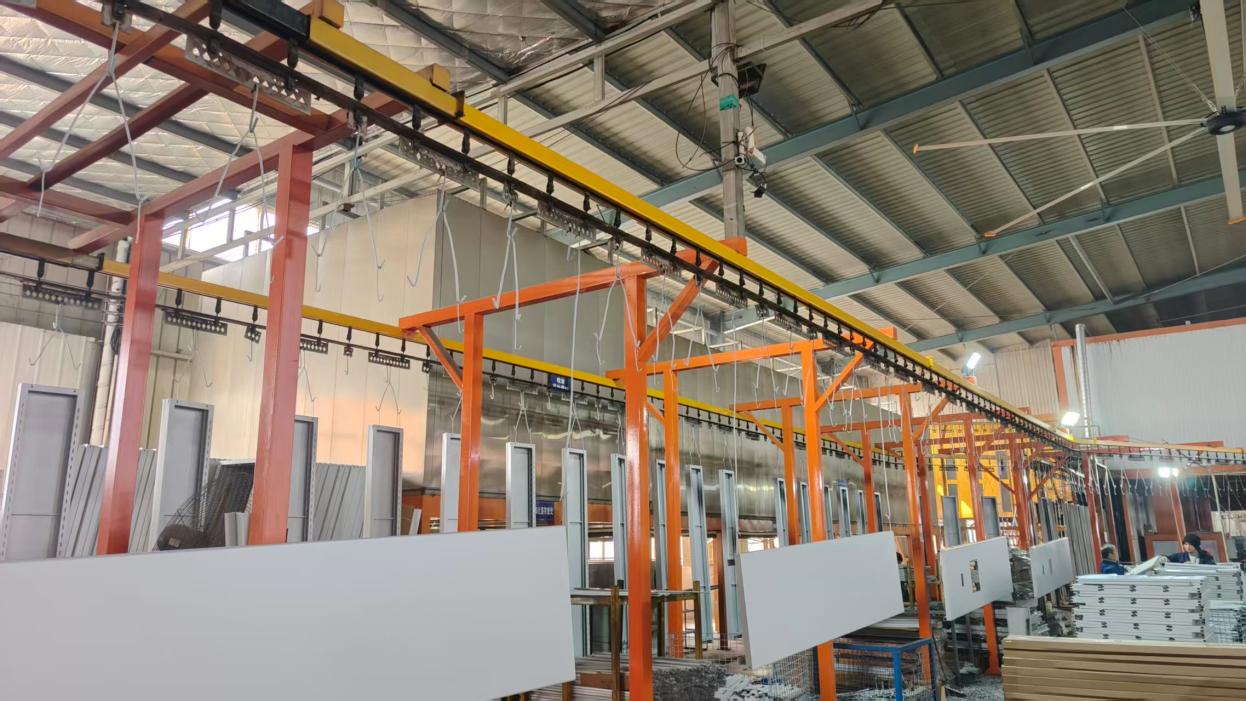
Green warehouse certifications (such as LEED) require supply chain vendors to focus on sustainability. Top manufacturers use high-strength, low-alloy steel to reduce raw material weight while keeping load ratings high. They also use eco-friendly powder coatings that emit zero VOCs during curing.
Operating across international markets requires strict compliance with international mechanical, environmental, and load safety codes.
Top storage manufacturers establish trust by adhering to strict testing protocols. Structural designs are calculated and physically tested to meet regional standards. In the United States, rack configurations comply with the Specification for the Design, Testing and Utilization of Industrial Steel Storage Racks by the Racking Manufacturers Institute (RMI). In Europe, structures are designed according to the CEN/TC 344 standards and the FEM 10.2.02 guidelines for European design practices.
In addition, quality management systems must be certified under ISO 9001:2015 to ensure consistent production quality, traceability of steel coils, and certified welding procedures. All load calculations include safety factors that account for dynamic loads, seismic activity, and base plate floor anchoring, ensuring stable operations even under difficult environmental conditions.
We verify steel grade certificates (e.g. Q235B, Q355B) for yield strength, tensile limits, and chemical composition before manufacturing begins.
We perform regular load testing, weld penetration checks, and salt-spray powder coat tests to ensure durability against rust and heavy wear.
Answers to common technical, design, and purchasing questions from international buyers.
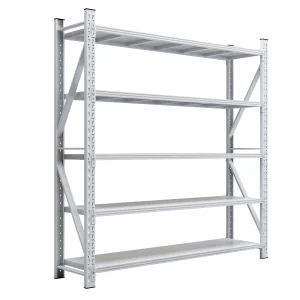
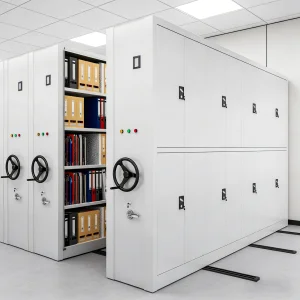
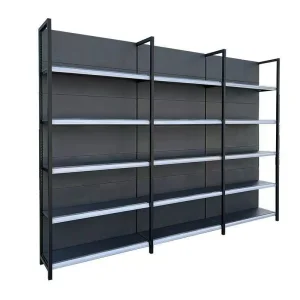
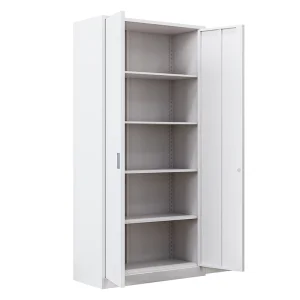
Select from our range of high-capacity storage racks, adjustable shelving, school furniture, and commercial displays designed for retail and industrial setups.
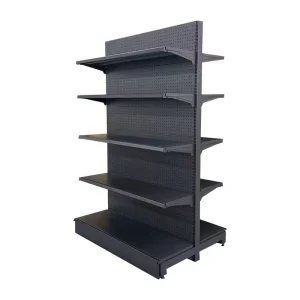
 Luyuan Racks