Explore our premium range of industrial warehouse solutions, office organization products, and specialized heavy load racking designs engineered for maximum capacity and safety.
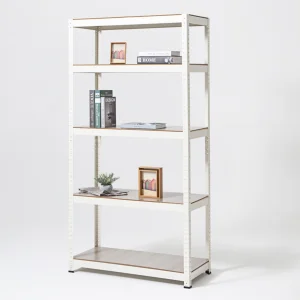
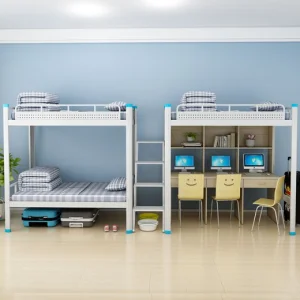

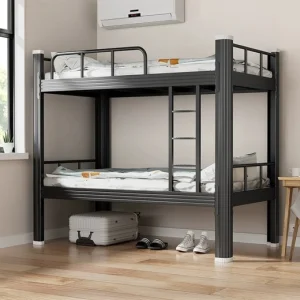
An in-depth analysis of structural integrity, engineering requirements, and market dynamics in the era of high-density warehousing.
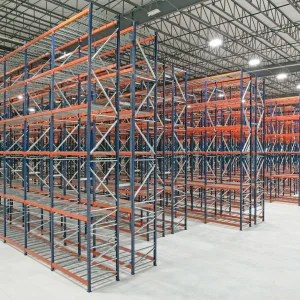
The global warehousing landscape is undergoing a paradigm shift. With the explosive rise of e-commerce, third-party logistics (3PL), and highly automated distribution centers, industrial operators are under intense pressure to maximize spatial efficiency without compromising on structural safety. Heavy load racking systems—historically simple iron frame structures—have evolved into highly engineered structural assets that must withstand massive static loads, dynamic forces from high-speed material handling equipment, and seismic activity.
Modern heavy load racking solutions typically support loads ranging from 1,000 kg to over 4,000 kg per pallet level. Achieving this level of load capacity requires rigorous adherence to structural mechanics, steel grade optimization, and international engineering standards. As global industries move toward high-bay warehouses that exceed 30 meters in height, the design precision of upright frames, beams, and dynamic load distribution joints has become the defining factor for warehouse uptime, worker safety, and operational continuity.
The contemporary warehouse design market is defined by several transformative trends:
These trends highlight why procurement officers are looking past simple unit prices and focusing on the Total Cost of Ownership (TCO) and structural life expectancy. The interaction between racking stiffness and dynamic forklift impact resistance is vital for preventing catastrophic warehouse collapse disasters.
Industrial enterprises, whether based in North America, Europe, or Australia, face complex challenges when sourcing heavy-duty racking systems. Sourcing components that support thousands of kilograms of inventory requires matching exact warehouse configurations with manufacturing capability. Key sourcing priorities include:
The landscape of heavy load racking manufacturing in China has transitioned from high-volume low-cost production to precision Factory 4.0 automated operations. Thanks to a complete local industrial ecosystem—from primary steel mills producing Q235B and Q355B cold-rolled steel to automated precision bending lines—top-tier Chinese manufacturers offer exceptional structural quality, fast delivery, and competitive pricing.
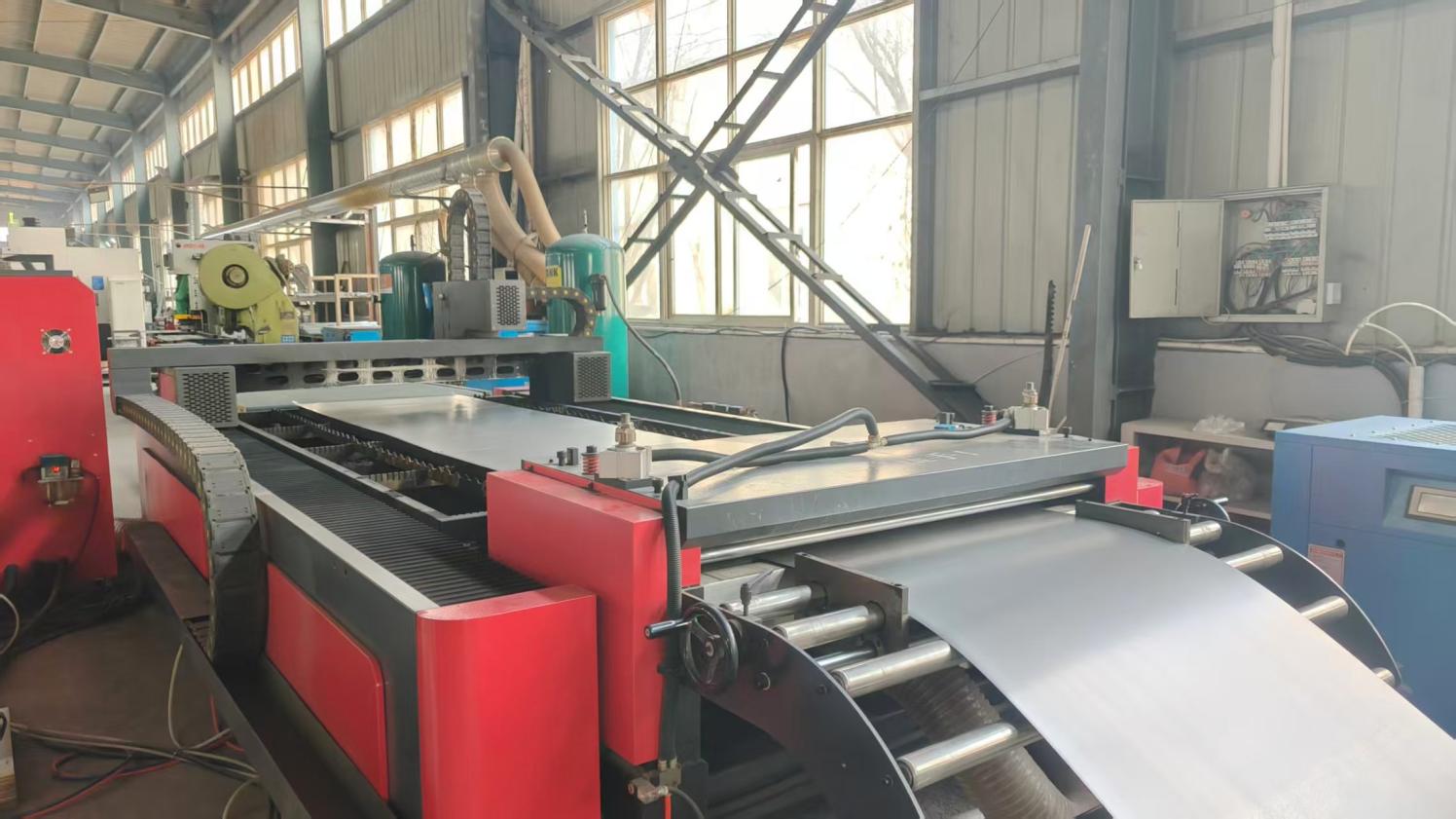
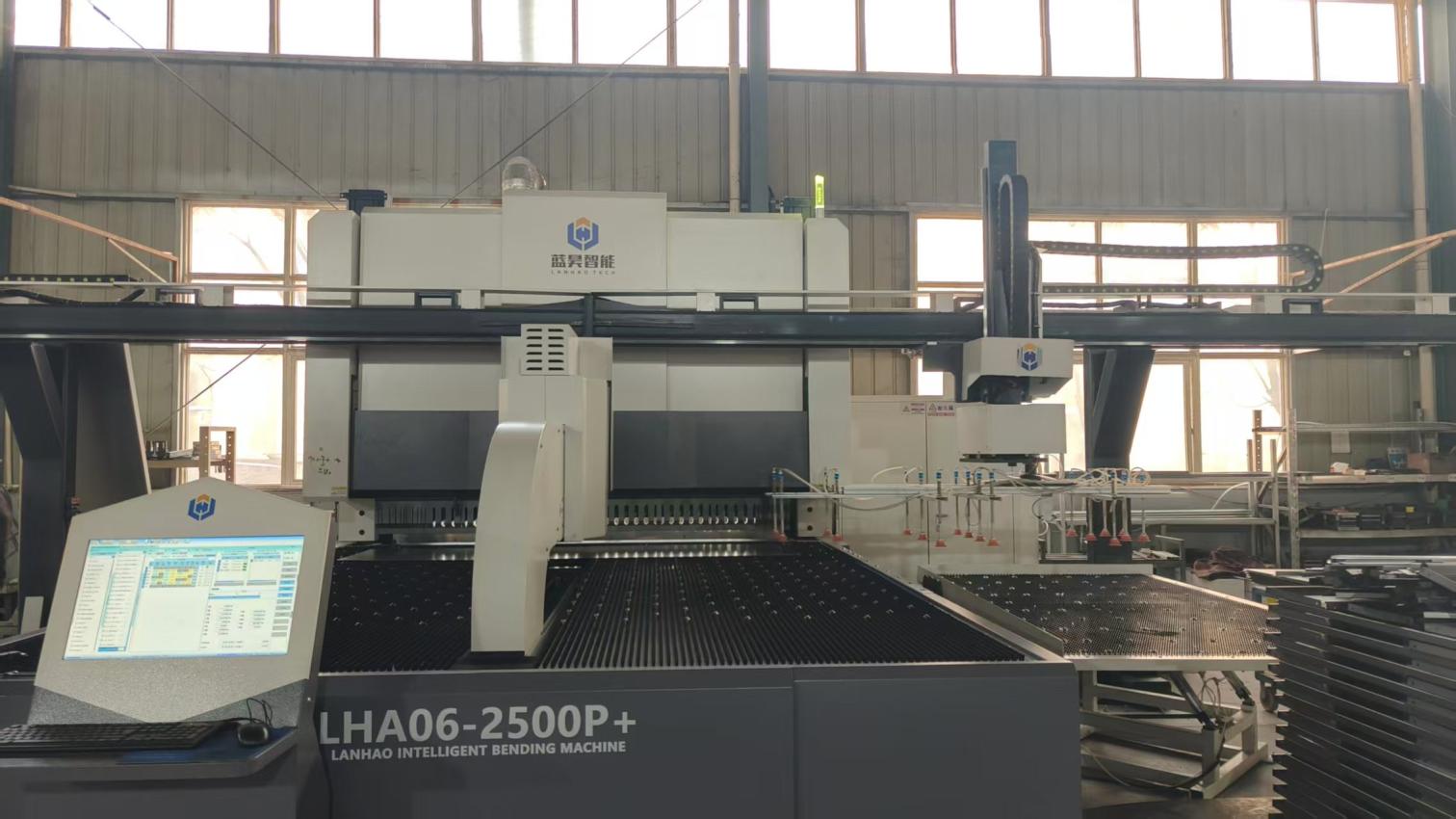
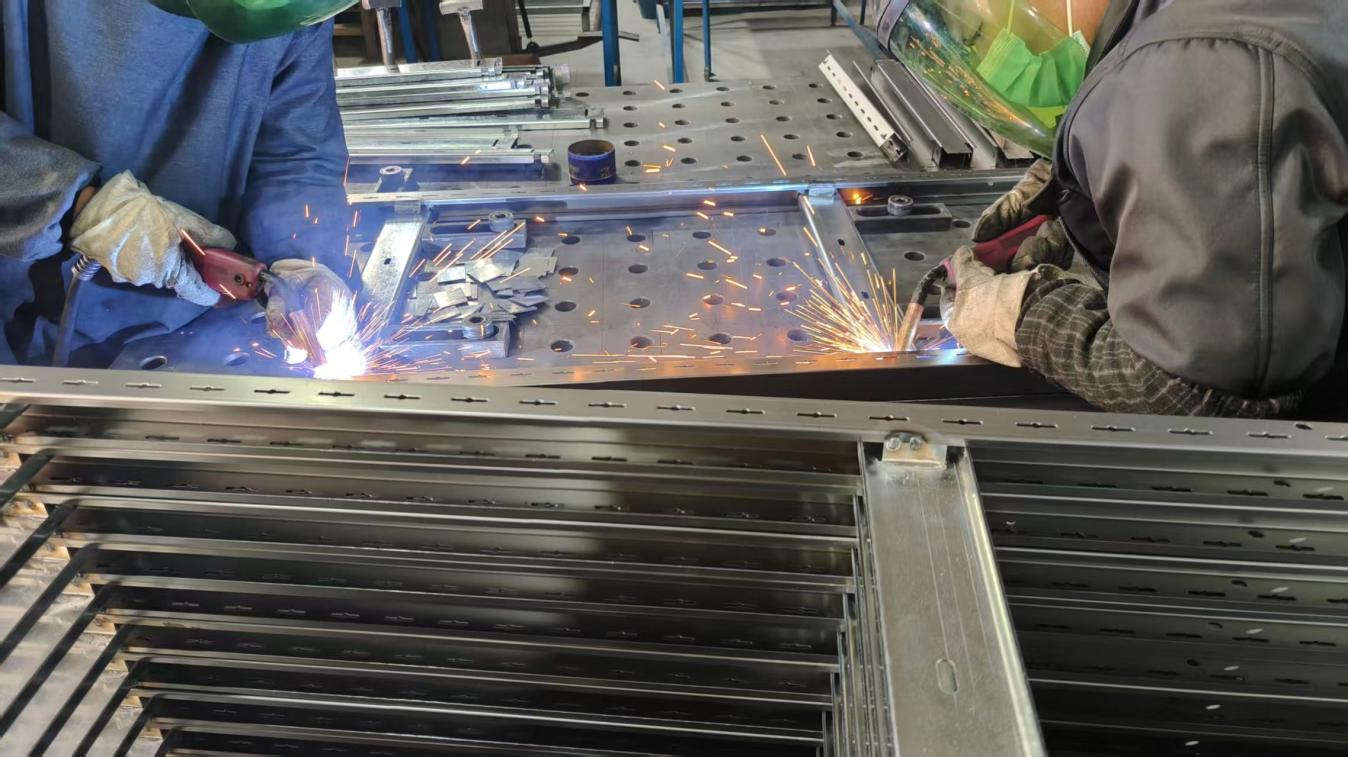
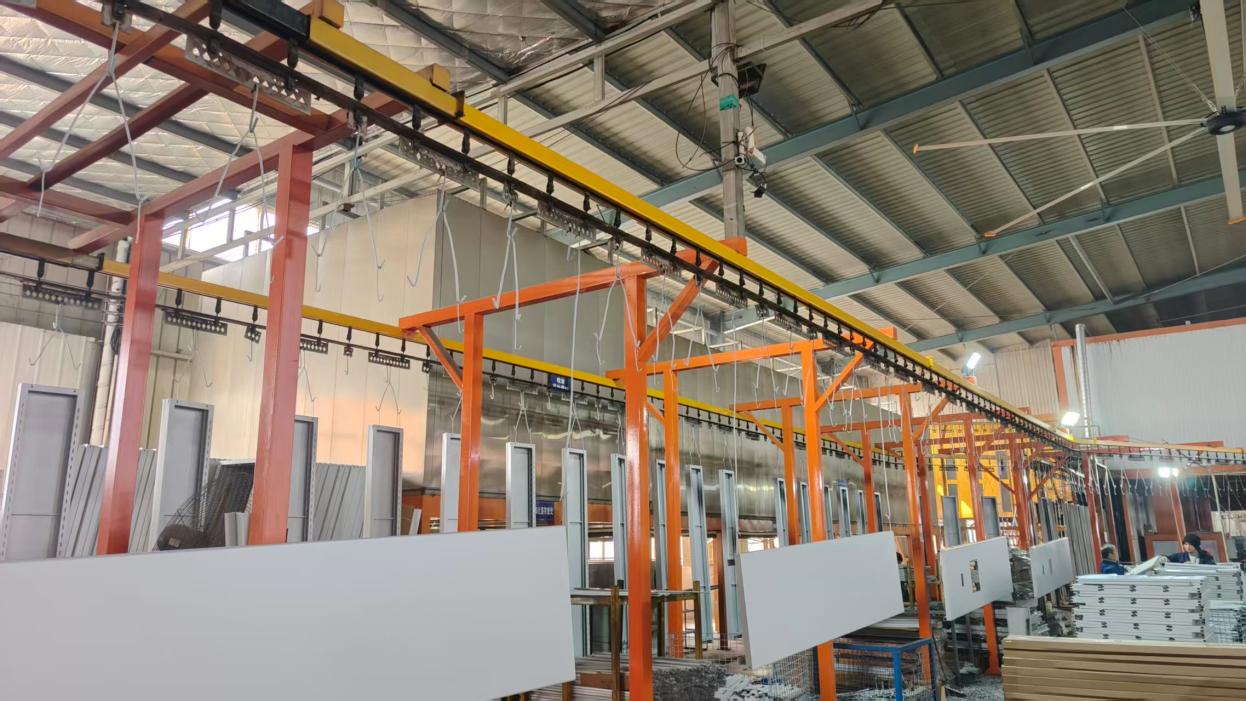
Guangdong Luyuan Import and Export Trading Co., Ltd. stands at the forefront of this industrial transformation. Established in 2016 and leveraging over 12 years of core industry expertise, Luyuan operates a modern production facility spanning 18,000 square meters. This specialized facility integrates cutting-edge CNC bending machines, automated robotic welding systems, laser cutting machinery, and advanced electrostatic powder coating plants to ensure high structural reliability across our entire product line.
Luyuan’s Factory 4.0 framework ensures strict quality control throughout production. The manufacturing sequence includes rigorous raw material inspection, precise automated cold-roll forming, robotic joint welding, dimensional verification, and thorough surface coating thickness tests. Backed by a dedicated 45-member quality assurance team and 28 experienced structural R&D engineers, Luyuan designs custom storage systems that match the layout and load requirements of global warehouse operators.
Discover the step-by-step production process and advanced machinery that guarantee the load capacity and durability of our steel structures.
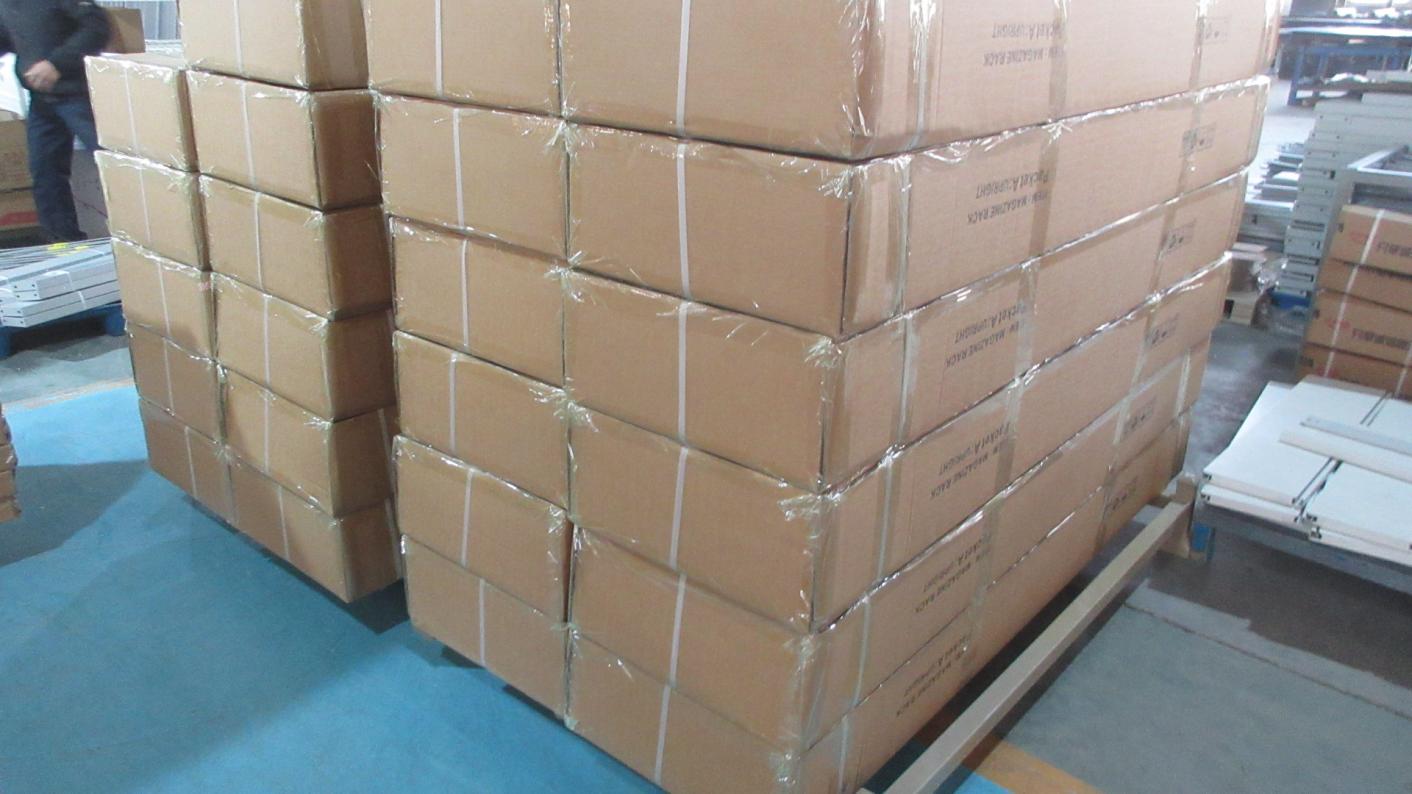
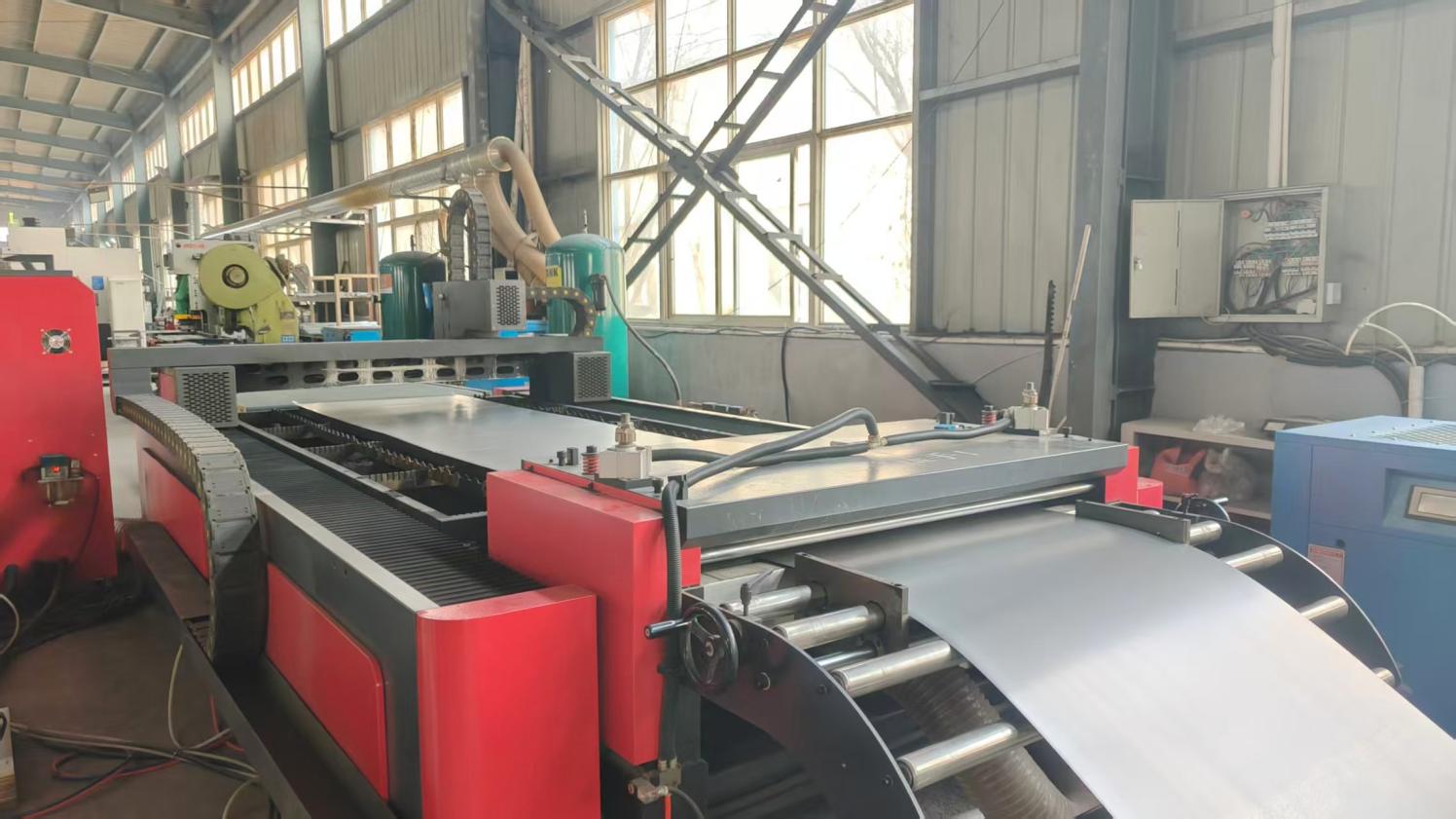
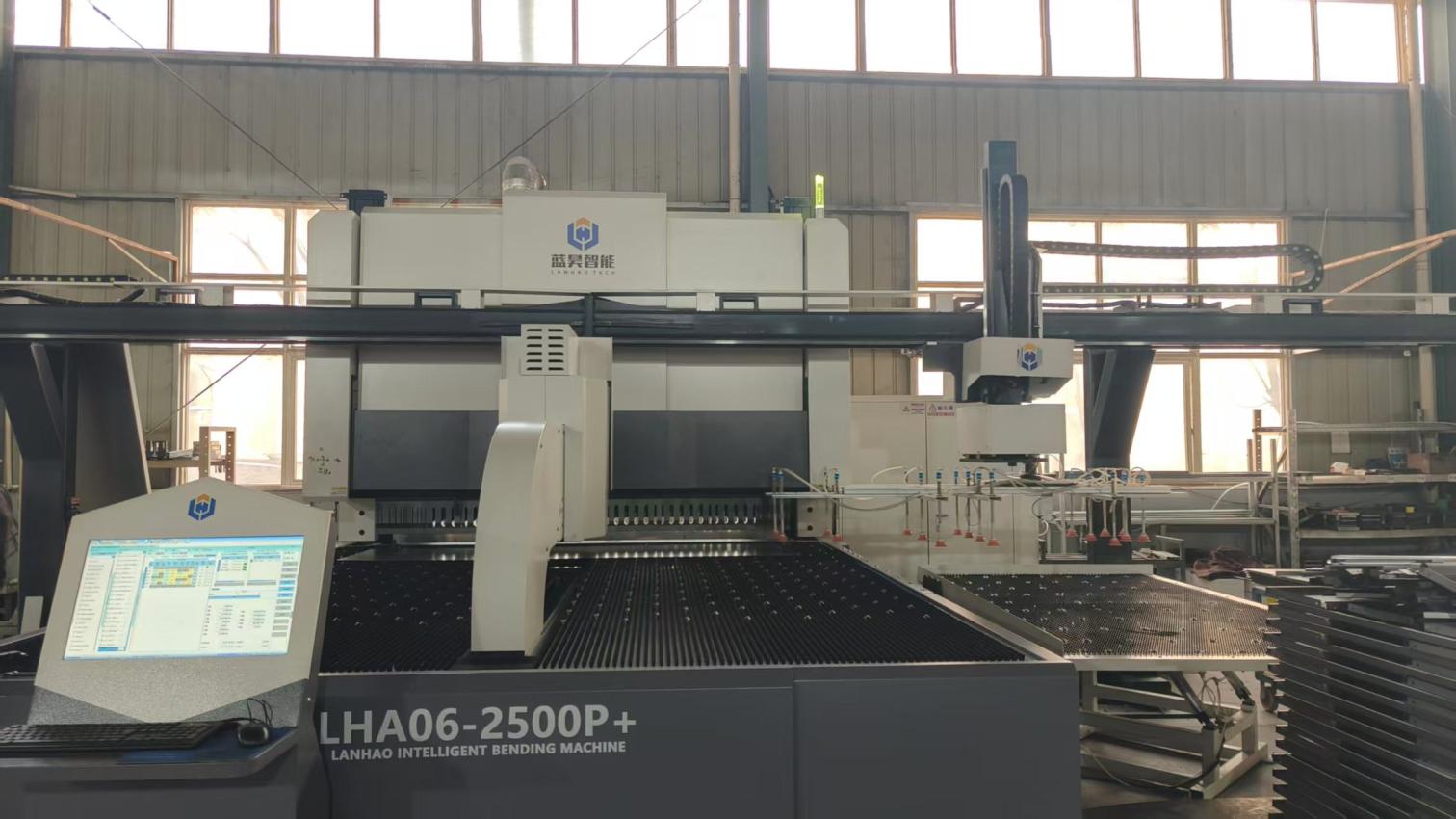
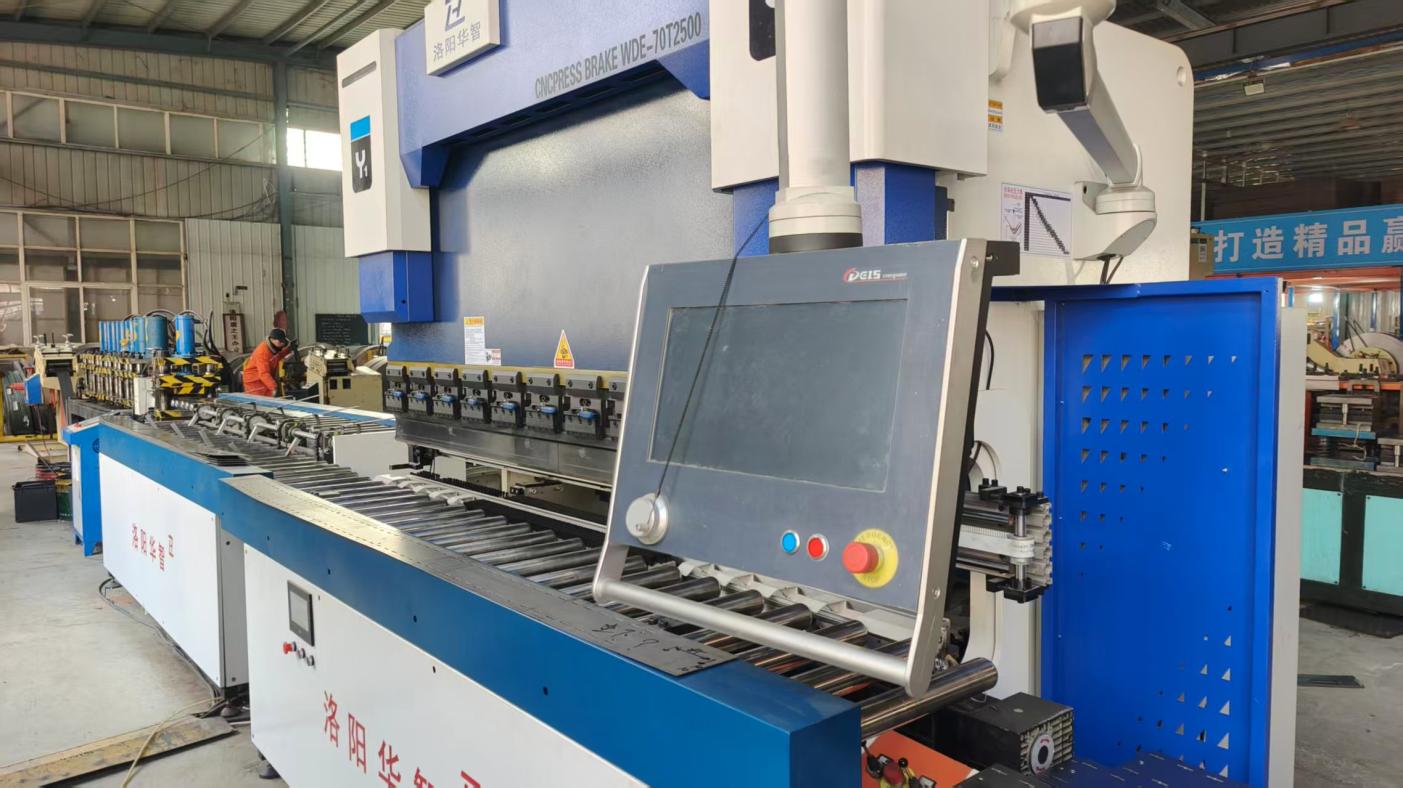
Heavy load racking systems perform critical storage duties across various localized industrial and commercial environments, each with unique design constraints:
Expert engineering answers to common technical queries about industrial storage design, load limits, and safety standards.
The capacity is determined by steel grade (typically Q235B or high-strength Q355B), the cross-sectional shape and thickness of the upright profiles, upright slot geometry, and horizontal/diagonal bracing patterns. Importantly, vertical beam spacing also dictates frame capacity; smaller vertical gaps between shelf levels increase overall rack load limits.
Guangdong Luyuan designs, tests, and manufactures its racking lines to align with global standards, including RMI specifications in the USA, FEM 10.2.02 codes in Europe, and AS 4084 regulations in Australia. All raw steel sheets undergo tension testing, and weld points are checked to guarantee load-bearing performance.
Cold-rolled steel is predominantly used for uprights, beams, and diagonal bracing because the cold-rolling process yields thinner, lighter profiles with higher yield strength and clean surface finishes. Hot-rolled steel is used for specialized structural systems, like heavy structural steel sections designed for high-capacity applications or heavy industrial warehouses.
Moisture, salinity, and chemical fumes accelerate steel oxidation, weakening structural stability. To combat this, we offer hot-dip galvanization, where steel profiles are submerged in molten zinc to form a protective barrier, as well as multi-layer electrostatic powder coatings, which provide strong protection in standard industrial and cold storage warehouses.
Forklift collisions are a primary cause of rack damage. To protect structures, we offer column protectors that wrap around upright bases, heavy steel guide rails along aisles, row spacers to link back-to-back systems, and bright warning colors like high-visibility yellow and safety orange.
Yes. However, automated systems require much tighter tolerances (often ±2mm or less) than standard forklift-accessed racks. Luyuan works with system integrators to manufacture precision rack components, utilizing robotic welding and CNC bending to ensure alignment for automated cranes and shuttles.
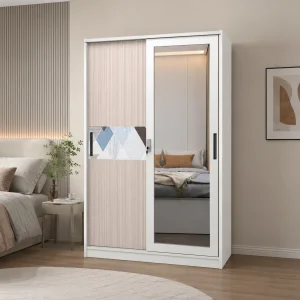
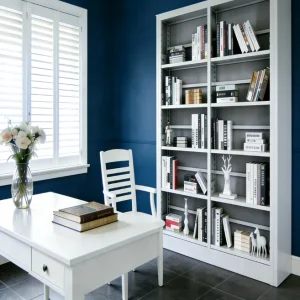
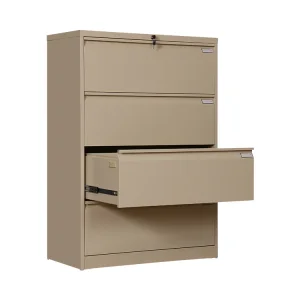
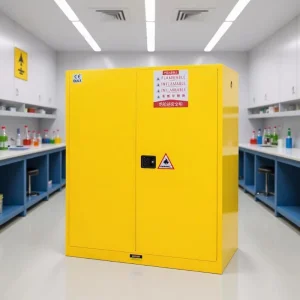
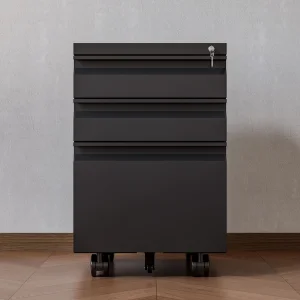
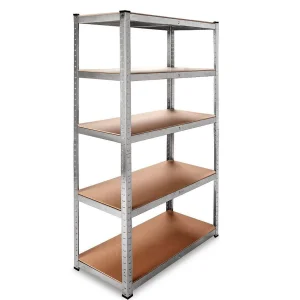
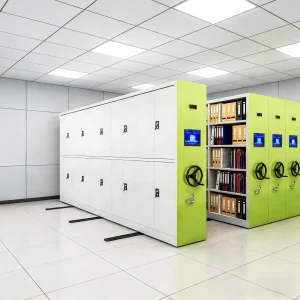
Complete your facility setup with Luyuan's highly specialized cabinets, shelving configurations, and document filing systems.
 Luyuan Racks