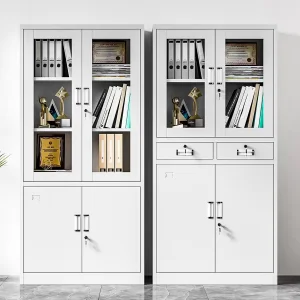
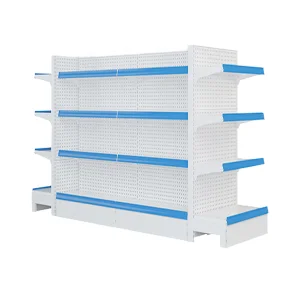
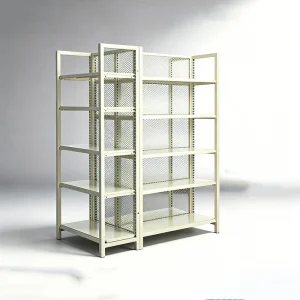
Discover our engineered storage systems manufactured to precise global standards, including cold-rolled structural steel, boltless shelving designs, and high-capacity industrial pallet racking units.
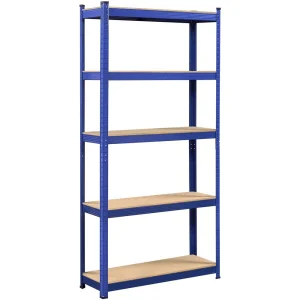
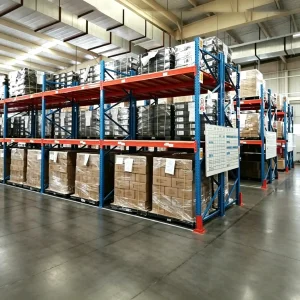
Global commerce relies on the seamless, secure movement of bulk inventory. To maximize space utilization, supply chains utilize high-capacity heavy-duty racking systems. Choosing the correct racking system determines a facility's operational throughput, seismic resilience, and occupational safety profile.
As warehouse real estate costs continue to rise worldwide, engineering and facility managers look beyond simple storage space. They seek high-density configurations that support heavy load profiles while remaining compatible with automated retrieval systems. This whitepaper analyzes the mechanical, structural, and metallurgic factors that define industrial racking performance, helping global logistics operators select systems that deliver durability and efficiency.
Modern supply chain procurement departments evaluate three key priorities when sourcing industrial rack structures:
An industrial rack frame must support heavy static loads for years while tolerating regular dynamic forces from forklifts. Safe structural performance starts with high-quality raw materials and continues through precise manufacturing processes.
We source certified hot-rolled coil steel, processing it into cold-rolled profiles with precise yield strengths (Q235B and Q355B). This ensures structural consistency, minimal material fatigue, and high load capacity under heavy weight.
Using Finite Element Analysis (FEA), we calculate dynamic soil profiles and acceleration indexes to design seismic baseplates, heavy-duty anchors, and high-strength upright bracing that perform reliably under seismic stress.
Our multi-stage electrostatic powder coating lines apply a uniform, impact-resistant finish. This barrier protects structural steel from oxidation and chemicals, ensuring durability in both ambient warehouses and cold storage environments.
Established in 2016, Guangdong Luyuan Import and Export Trading Co., Ltd. is an industrial warehouse storage rack manufacturer and global supplier specializing in heavy-duty racking systems, warehouse shelving, and customized storage solutions.
Operating a modern production facility in Guangdong, Luyuan combines product design, manufacturing, quality inspection, and international trade services. With an annual export revenue of approximately USD 12 million and 8 years of export experience, we serve customers in Europe, North America, South America, Southeast Asia, the Middle East, and Africa.
We work with more than 850 supply chain partners, including major steel suppliers, logistics providers, and equipment distributors. This network ensures stable material pricing, reliable lead times, and reliable delivery, even during peak global shipping demands.
Our engineering department employs 28 R&D engineers specializing in structural design, warehouse layout optimization, and customized racking systems. Last year, Luyuan introduced over 120 new products and refined existing configurations to meet changing customer demands.
Luyuan maintains a strict quality control system. All products undergo a multi-step inspection process, starting with raw material verification and continuing through welding checks, dimensional measurement, load capacity testing, and surface coating assessment before shipment.
Precision manufacturing is essential for structural safety. Our facility uses automated laser cutters, CNC bending machines, and robotic welding stations to keep dimensional tolerances within tight limits (under ±0.5 mm).
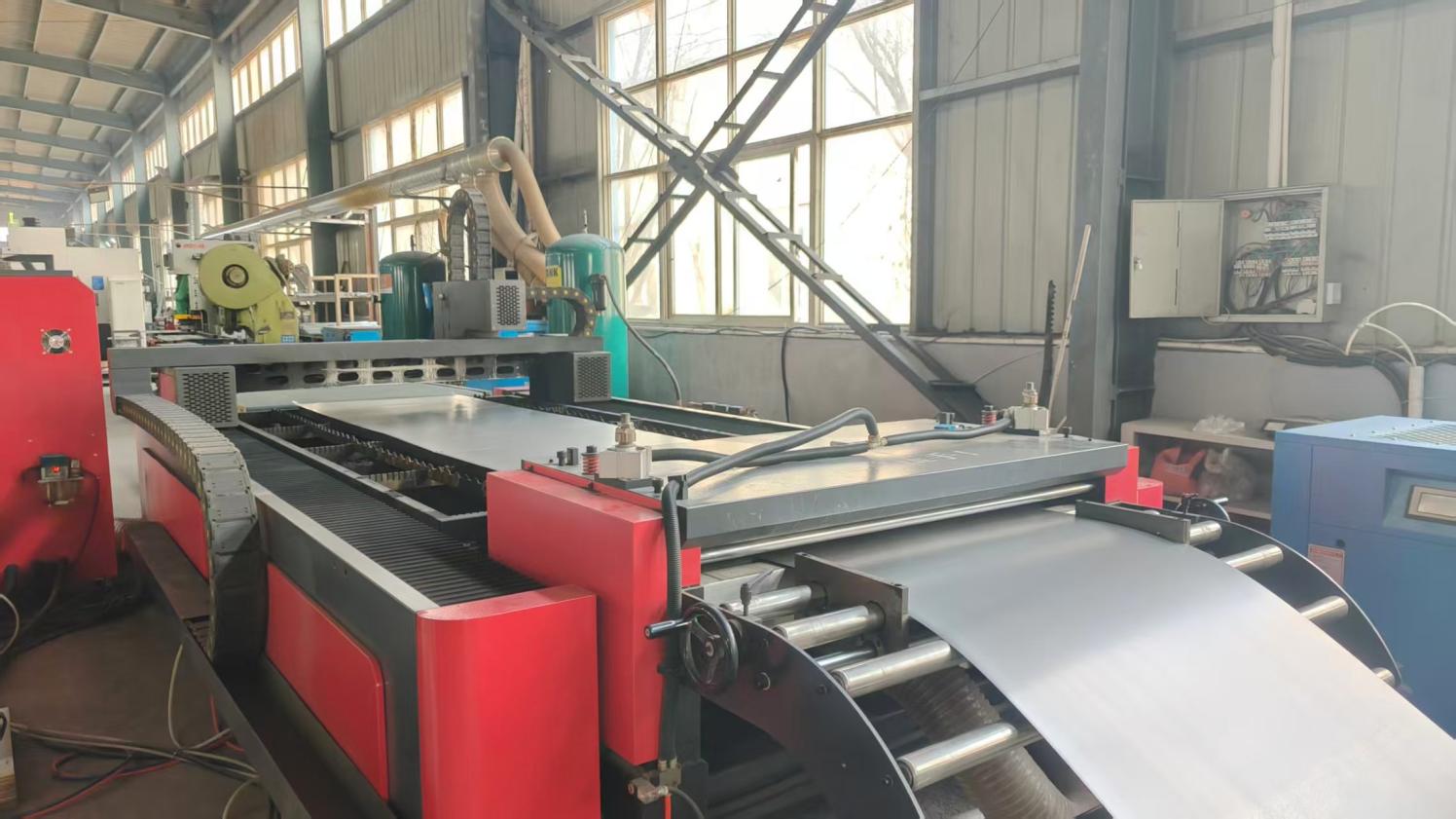
High-precision shear cutting of hot-rolled and cold-rolled steel coils into structural sections.
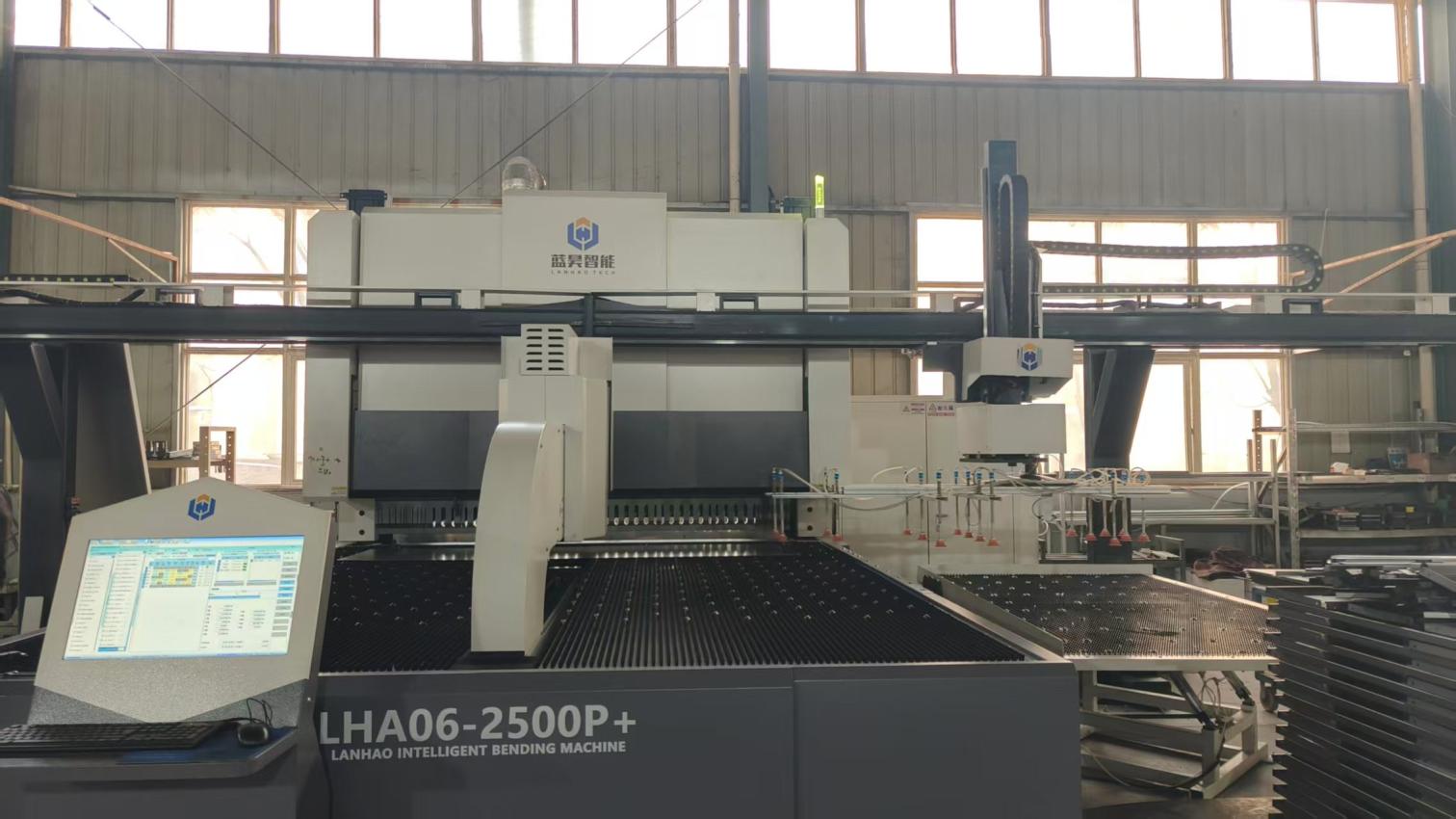
Roll forming machines bend structural profiles to their target geometry and load capacity.
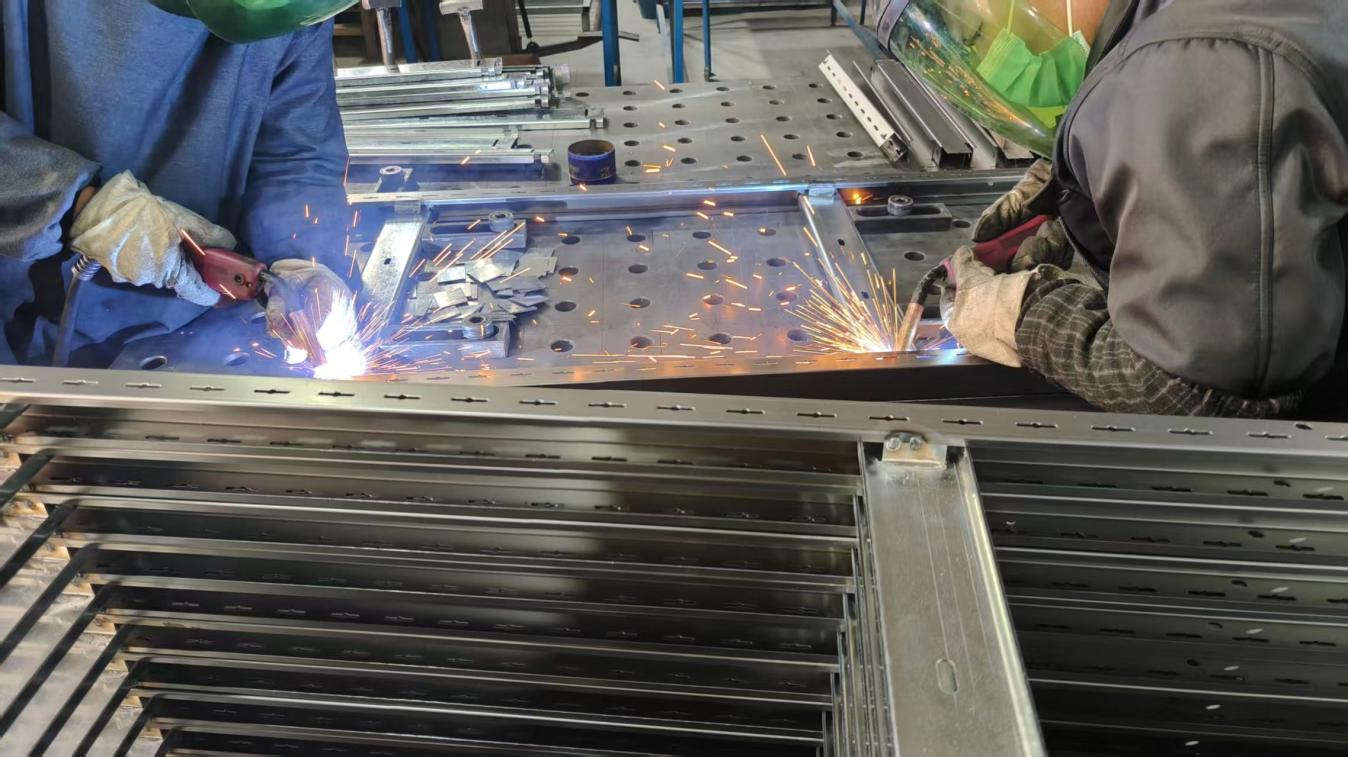
Robotic and manual gas metal arc welding (GMAW) secures brackets, baseplates, and beams.
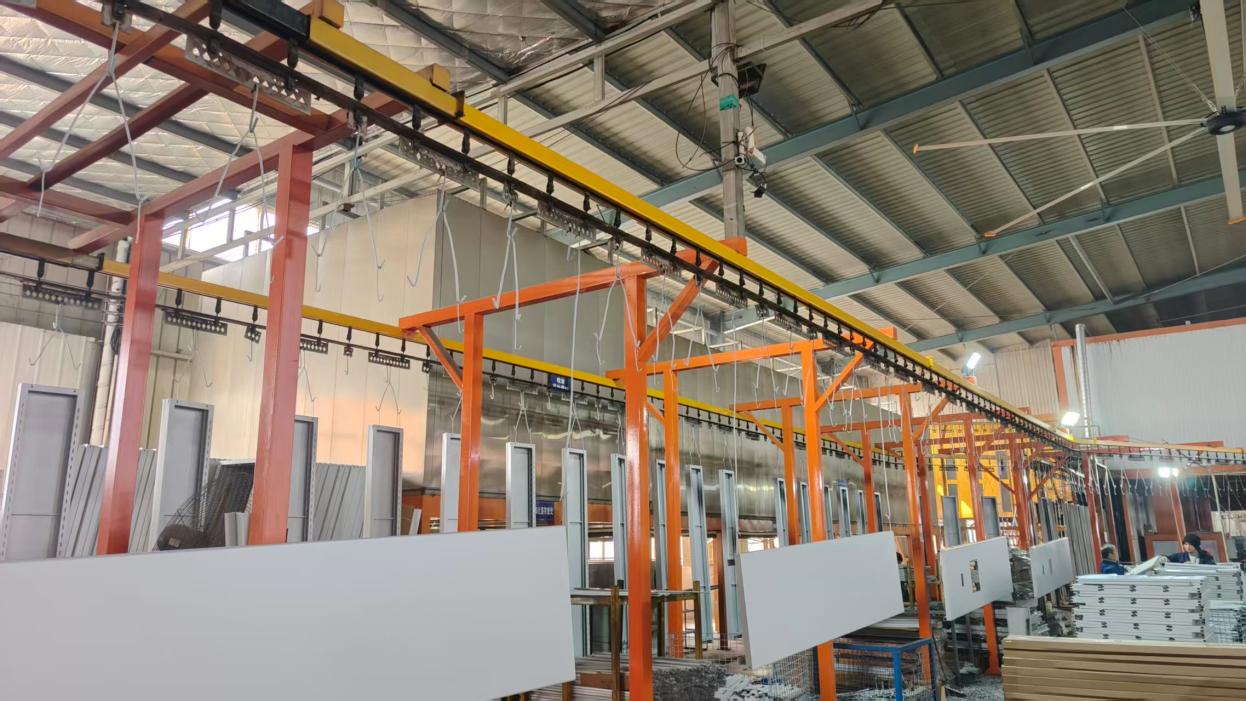
Multi-stage cleaning and electrostatic powder coating create a durable, scratch-resistant surface.
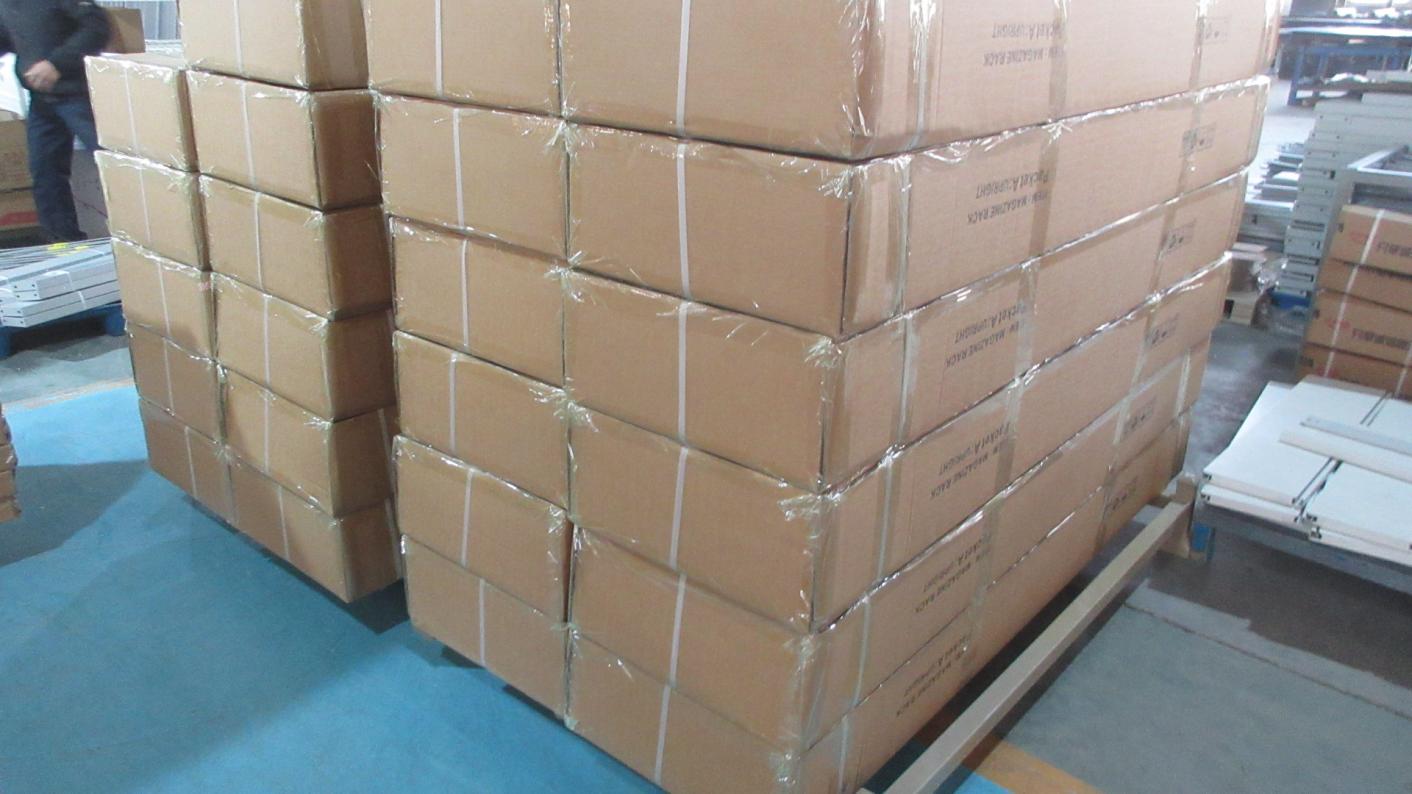
Components are packed with protective wraps and steel strapping for secure maritime shipping.
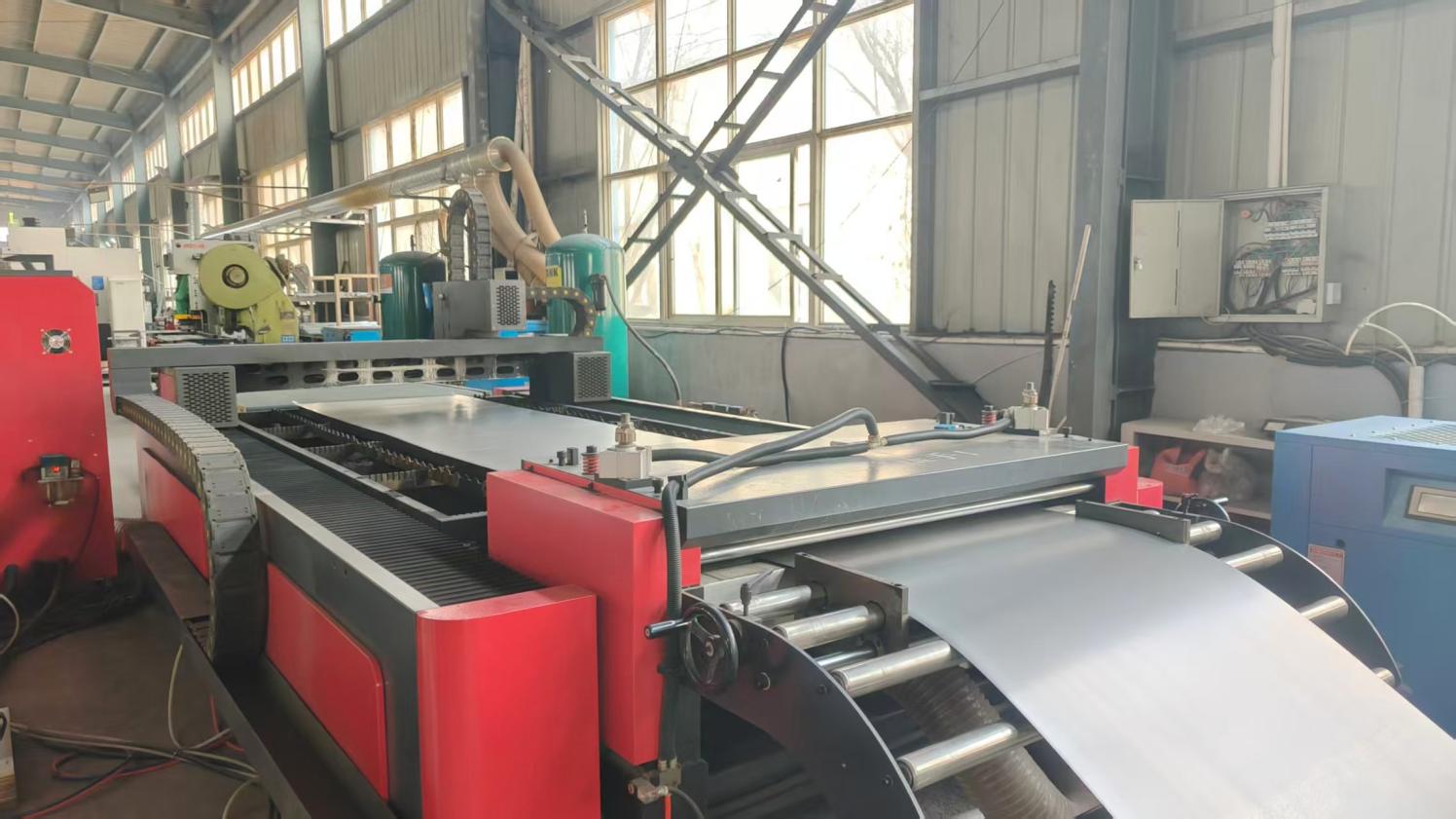
High-power laser machines cut custom profiles and baseplates with clean edges and zero distortion.
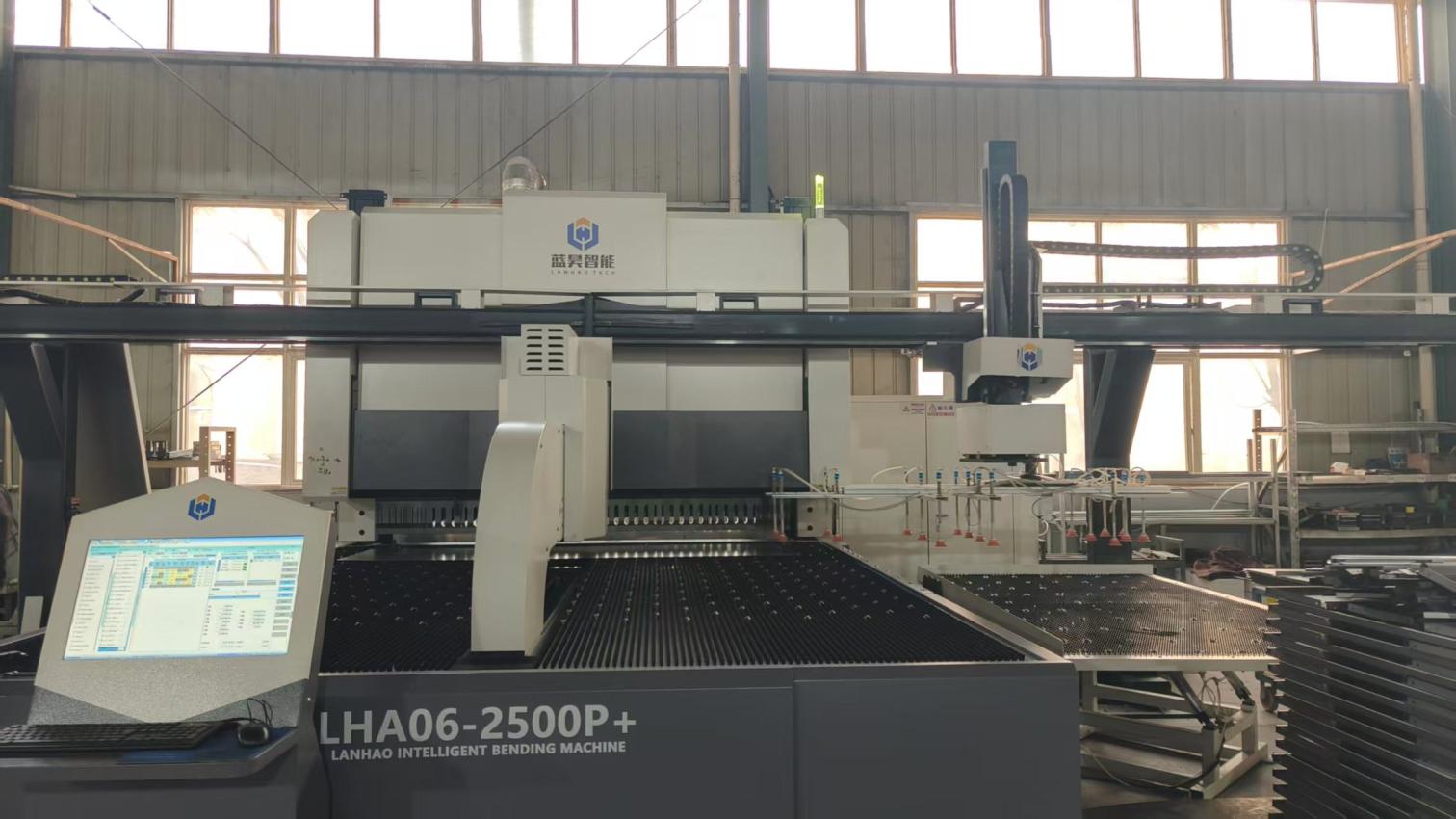
Automated equipment ensures consistent bend angles across large production runs.
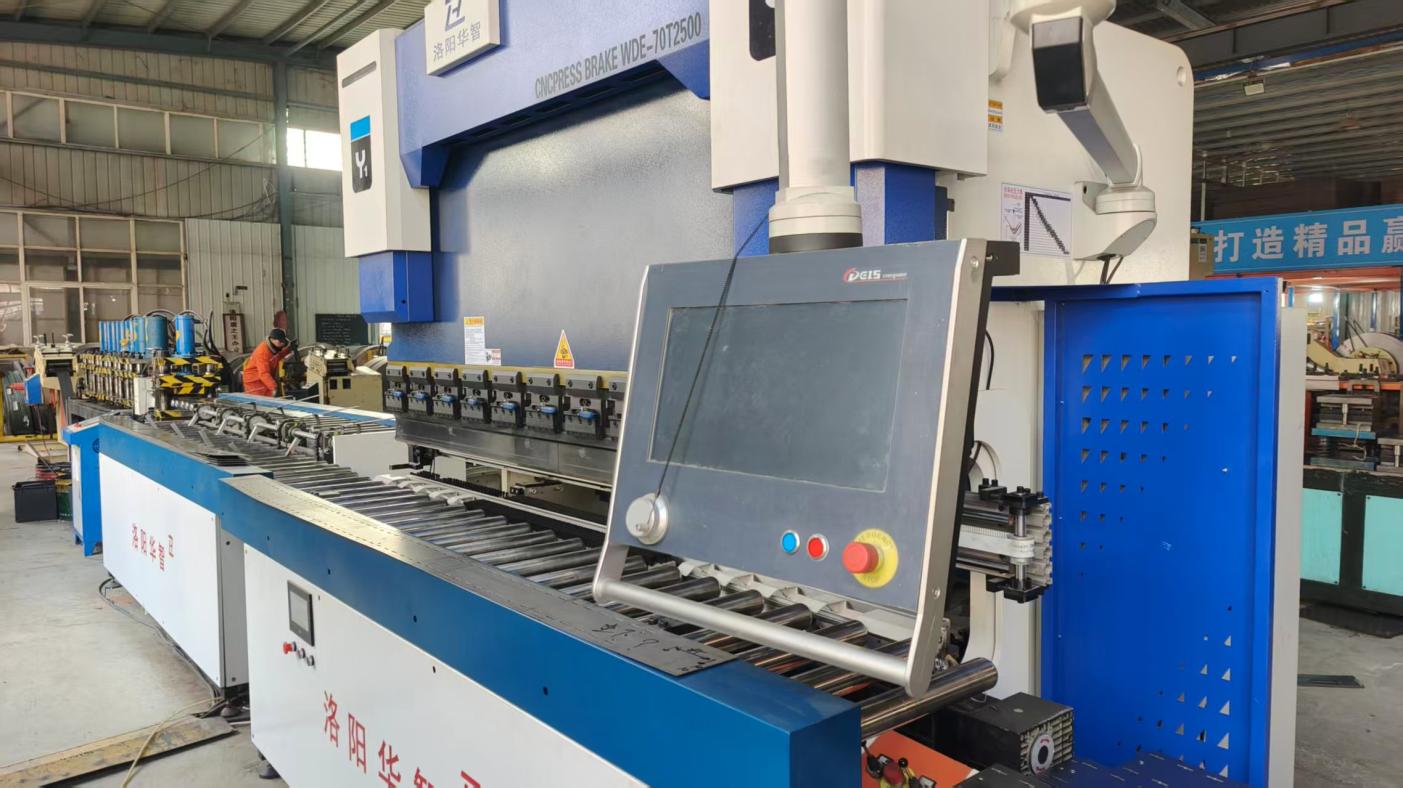
CNC systems control bending dimensions, ensuring consistent quality for custom configurations.
Modern warehouse logistics require racking systems that support automation, real-time safety tracking, and high-density space utilization. Our engineering roadmap focuses on three areas:
As companies adopt automation, rack dimensional tolerances must be kept within minimal margins. A deviation of just 2mm can halt an automated crane or shuttle. Luyuan engineers design racking systems with precise tolerances, including reinforced upright alignments and specialized guide rails, for smooth integration with automated systems.
We work directly with warehouse automation integrators to verify beam load deflections and horizontal drift rates under dynamic load. This ensures the structural frame supports automated machinery safely and reliably.
Cold chain facilities require structural steel that maintains ductility and resists brittle failure at sub-zero temperatures (down to -30°C). We use specialized steel grades and powder formulations designed to resist thermal shock and condensation corrosion.
Our cold storage racking profiles use optimized steel thicknesses and open sections. This design increases air circulation, reducing cooling energy costs while maintaining structural capacity.
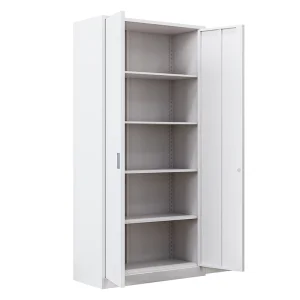
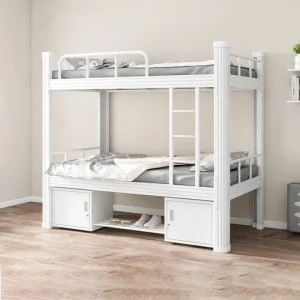
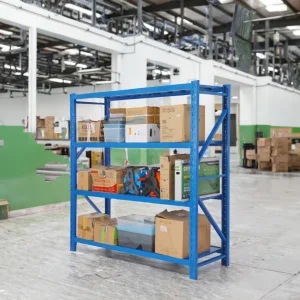
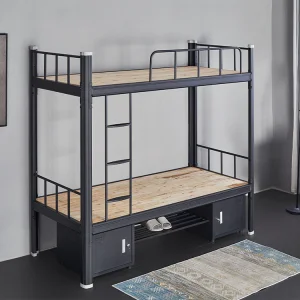
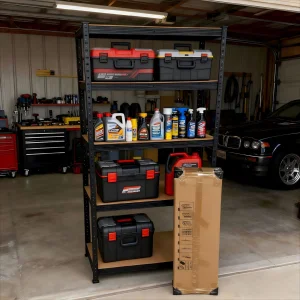
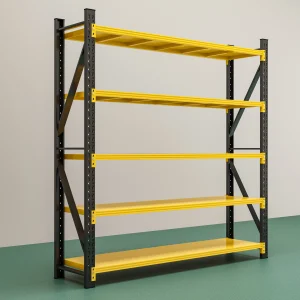
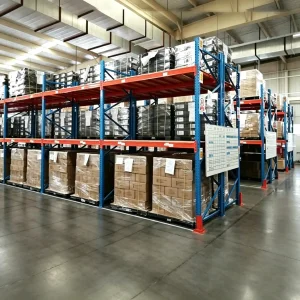
Explore our wider range of storage equipment, from light-duty home and retail display shelves to heavy-duty industrial pallet racks and dormitory bedding systems, manufactured for durability and ease of assembly.
Sourcing racking systems internationally requires compliance with local structural regulations. Luyuan engineers design systems to meet the specific compliance frameworks of our export markets:
We supply selective teardrop pallet racks that conform to Rack Manufacturers Institute (RMI) guidelines. Our designs include calculations for impact allowances, baseplate sizing, and column protectors to protect frames from forklift damage.
For European installations, we design systems according to EN 15512 and FEM 10.2.02 standards. These calculations factor in structural safety margins, deflection limitations, and tolerances for semi-automated warehousing operations.
Our structural solutions comply with Australian Standard AS 4084, which specifies requirements for steel storage racks, including load rating labels, regular safety inspections, and frame stability under load.
Luyuan provides support from initial concept through final installation. Our team assists with warehouse layout planning, structural engineering calculations, local permitting documentation, and installation supervision.
Using advanced CAD software and structural calculation tools, we optimize storage layout configurations. We calculate pallet load cycles, determine optimal aisle widths, and select suitable racking profiles to help facilities maximize density and operational throughput.
Get professional insights on structural design, material selection, safety compliance, and procurement options for your industrial storage installations.
We use structural steel grades Q235B and Q355B. These carbon steels provide a balance of high yield strength and ductility, which is essential for resisting structural deformation under heavy loads and absorbing impact forces from warehouse material handling equipment.
We verify load capacities using finite element analysis (FEA) software during the design stage, followed by physical destruction tests on sample components. Our 45-member quality control team monitors raw material tensile strength and weld integrity to ensure production units meet design capacities.
Yes. Our engineering team calculates seismic load requirements according to localized building codes (such as SDS factors in the US). We supply heavy-duty structural baseplates, specialized anchoring hardware, and reinforced diagonal bracing patterns to help the racks withstand dynamic seismic forces.
We offer engineering customization for dimensions (upright height and depth, beam length), specific load profiles, steel thicknesses, paint finishes (powder coating or hot-dip galvanizing), and specialized layouts. Our 28-member engineering department creates 3D CAD mockups and layouts tailored to each project's specifications.
Typical manufacturing lead times range from 20 to 35 days from layout sign-off to container loading, depending on order volume and configuration complexity. Our logistics team handles document preparation, container optimization, and maritime freight scheduling to facilitate delivery to your location.
 Luyuan Racks