Selecting the right top drive-in storage racking supplier can shape warehouse safety, capacity, and daily productivity. Global buyers need more than attractive catalog images or low quotations. They need evidence that each system fits real operating conditions.
Drive-in Storage racking supports high-density pallet storage by reducing unnecessary aisles. However, its performance depends on pallet consistency, forklift behavior, load weight, and warehouse dimensions. Experienced suppliers should explain these limits clearly. They should provide load calculations, steel specifications, surface treatment details, and installation guidance. Photos of completed projects can help, but verified references offer stronger confidence.
Reliable suppliers also understand regional requirements. They can discuss seismic conditions, fire protection coordination, delivery planning, and local inspection expectations without making careless promises. Their technical teams should review rack height, rail spacing, pallet entry, and impact protection before production begins. Small errors matter. A damaged guide rail can interrupt an entire storage lane.
Price still matters. It should not lead the decision alone. A cheaper system may conceal weaker materials, limited support, or unclear warranty terms. Even experienced buyers can overlook these details under purchasing pressure. That deserves reflection.
This guide examines leading top drive-in storage racking suppliers for global buyers. It focuses on manufacturing capability, engineering support, quality control, customization, communication, and after-sales service. The goal is practical comparison, not exaggerated ranking. Supplier claims should be checked against project evidence, documented testing, and the needs of each warehouse. Good storage equipment is not simply purchased. It is verified, installed, inspected, and maintained.
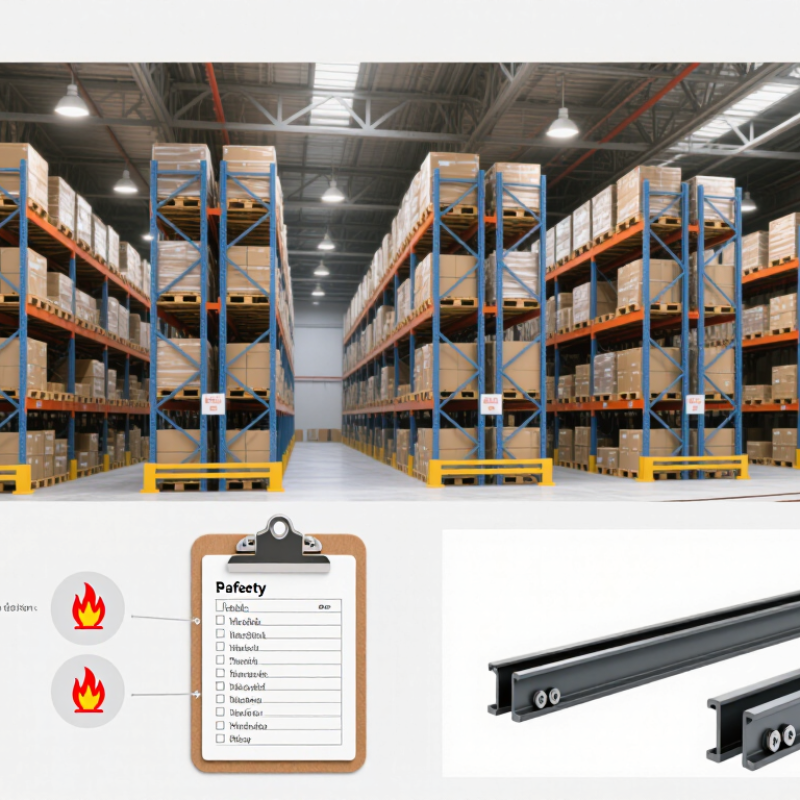
What Top Drive Means in Storage Racking Systems
Top Drive in Storage Racking Suppliers for Global Buyers
In storage racking systems, “top drive” usually describes where the lifting motor is installed. The drive unit sits at the top of the stacker crane or vertical lifting structure. It raises and lowers pallets through chains, cables, or a similar transmission system. This position can keep the lower frame less crowded and improve access around the base. It may also help protect the drive from floor dust, minor impacts, and standing moisture.
From practical installation experience, top-drive layouts often suit high-bay warehouses with demanding vertical travel. Engineers must check mast stiffness, rail alignment, braking performance, and the building’s clear height. A 12-meter rack may need only a small motor, but repeated starts can create serious heat and vibration. The term is not perfectly standardized, either. One supplier may include the hoist assembly, while another may describe only the motor position. That difference can cause costly misunderstandings.
Tips: Ask for a labeled elevation drawing, rated load chart, cycle-time data, and emergency-stop details. Confirm whether maintenance access requires a service platform or lifting equipment. Check noise levels during full-load travel. Do not judge a system from motor location alone. A top drive can be efficient, but poor alignment will still produce uneven movement and premature wear. My own caution is simple: impressive specifications are not enough. Request test records, installation tolerances, and references for similar rack heights.
How Top-Drive Racking Operates in Different Warehouse Layouts
Top Drive in Storage Racking Suppliers for Global Buyers
Top-drive racking uses an overhead drive assembly to move carriers or shuttles along guided rails. The drive sits above the storage lanes, leaving the floor clearer for pallets and forklifts. In a single-deep layout, each pallet remains easy to reach. This suits mixed products and frequent picking. The system can also support double-deep storage, where a carrier moves farther into the lane. However, retrieval planning becomes more important.
In high-bay warehouses, top-drive equipment travels through narrow aisles and uses vertical space efficiently. Strong floor accuracy matters here. A small rail deviation can create vibration, noise, or uneven movement. In cold storage, enclosed motors and suitable materials help protect operation from moisture and low temperatures. Yet maintenance access is often harder. A technician may need a lifting platform, not only hand tools.
For block-style layouts, several lanes can share one drive strategy, improving density for uniform pallets. This works well when goods enter and leave in predictable batches. It is less suitable for highly varied inventory. A warehouse assessment should check pallet weight, lane depth, aisle width, ceiling height, and fire protection clearance. Operators also need to review emergency stopping and manual recovery procedures. It is not a universal answer. A practical design can still miss daily habits, especially when workers add irregular pallets during busy periods. Suppliers should provide load calculations, layout drawings, commissioning records, and operator training before installation.
Key Features to Compare Among Top-Drive Racking Suppliers
Top Drive in Storage Racking Suppliers for Global Buyers
When comparing top-drive racking suppliers, begin with load accuracy. Ask for beam capacity, pallet weight, rack height, and aisle dimensions. A reliable supplier should provide calculations, drawings, and clear safety margins. Do not accept vague capacity claims. Steel thickness, welding quality, and corrosion protection also deserve close inspection. Small defects may become expensive problems.
The drive system needs practical testing. Compare motor efficiency, lifting speed, noise levels, and emergency stopping performance. Check whether operators can access controls from floor level. Review sensors, overload protection, and manual recovery procedures. Battery-powered systems may reduce cable work, but battery replacement costs can surprise buyers. Ask for maintenance schedules, spare-part availability, and technician response times. Details matter.
Software compatibility is another key feature. The racking system should connect with warehouse management software without forcing major redesigns. Request a live demonstration using realistic pallet data. Also examine installation support, operator training, warranty terms, and international documentation. Supplier references from similar climates are valuable, especially for humid or dusty warehouses. A low quotation can look attractive. It may exclude commissioning, floor repairs, or future upgrades. Buyers should compare total ownership cost, not only the purchase price. Some specifications remain uncertain until the site survey. That uncertainty should be recorded, not hidden.
Global Standards and Certifications for International Buyers
Top Drive in Storage Racking Suppliers for Global Buyers
Global Standards and Certifications for International Buyers
International buyers should evaluate storage racking suppliers through documented standards, not attractive catalogs. A reliable supplier can identify the correct rules for each destination. In Europe, EN 15512 supports structural design, while EN 15635 addresses safe use and inspection. In North America, buyers may need compliance with applicable ANSI and RMI specifications. Local building codes can also change the required seismic calculations, anchoring details, and load signage.
Ask for current certificates, test reports, engineering drawings, and material traceability records. ISO 9001 can indicate controlled quality processes, but it does not prove that every rack design is safe. That distinction matters. Request weld inspection records, steel certificates, coating thickness results, and load-test evidence. The supplier should explain who approved the calculations and which testing laboratory performed the work. Check certificate numbers directly with the issuing organization when possible.
Site conditions deserve equal attention. Warehouse floors, temperatures, forklift traffic, and installation quality affect real performance. A compliant design can still fail through poor assembly or missing anchors. Clear manuals, inspection schedules, warning labels, and training support show practical responsibility. Some suppliers provide excellent documents but weak after-sales guidance. That gap is easy to overlook. Buyers should record every assumption, because dimensions or loads may change during installation. Certification helps, but careful verification remains necessary.
Top Drivers in Storage Racking Suppliers for Global Buyers
Global Standards and Certifications for International Buyers
The chart compares the publication year or current referenced edition year of widely used quality, environmental, occupational-safety, and storage-racking standards. ISO 9001, ISO 14001, and ISO 45001 are management-system certification frameworks, while EN 15635, EN 15512, AS 4084, and ANSI/RMI MH16.1 are technical standards or design guidance. Buyers should verify the applicable edition, certification scope, and local compliance requirements before supplier approval.
How to Select, Purchase, and Support a Top-Drive Racking System
Selecting a top-drive racking system begins with the load, not the supplier’s catalogue.
Record pallet dimensions, unit weight, aisle width, forklift reach, and storage temperature. Then request stamped load calculations and installation drawings. A practical trial with one bay can expose clearance problems early. Small details matter.
MHI’s 2024 Annual Industry Report states that 55% of respondents planned to increase technology investment.
That pressure makes space efficiency attractive, but density must not override access and safety. Ask suppliers to explain frame capacity, beam deflection limits, anchoring, corrosion protection, and inspection intervals. Confirm compliance with applicable local standards, including seismic requirements where relevant. The FEM racking guidance also emphasizes documented inspections and competent maintenance personnel.
During purchasing, compare the full ownership cost.
Include freight, installation, operator training, spare components, inspections, and response times for damaged frames. Require clear warranty terms and replacement-part availability in your region. Support should include inspection records, repair procedures, and emergency contact channels. A remote quotation is convenient. It is not enough.
I would avoid choosing solely by price.
A lower initial offer may hide difficult installation or weak after-sales support. Even experienced buyers sometimes underestimate forklift behavior in narrow aisles. Measure real traffic patterns before final approval. Review the design after three months of operation, because actual usage can challenge the original assumptions.
FAQS
It describes a lifting motor installed above the vertical lifting structure. The motor raises and lowers pallets through chains, cables, or similar transmission parts. This arrangement leaves more space around the lower frame. It may reduce exposure to dust, minor impacts, and standing moisture. Motor location alone proves little.
They often suit high-bay warehouses requiring frequent vertical travel. A 12-meter rack may use a relatively small motor. Repeated starts can still create heat and vibration. Building height, mast stiffness, and rail alignment need careful checking. Small errors become expensive.
Request a labeled elevation drawing and a rated load chart. Check cycle-time data, braking performance, and emergency-stop details. Confirm installation tolerances and full-load noise levels. Ask whether maintenance requires a service platform or lifting equipment. Do not rely on impressive specifications alone.
Ask for current certificates, structural calculations, test reports, and engineering drawings. Material traceability records should identify steel grades and production batches. Request weld inspection records, coating results, and load-test evidence. Verify certificate numbers with the issuing organization when possible. Paperwork can still hide gaps.
No. Certifications support design and quality control, but they cannot guarantee site safety. Local building rules may change seismic calculations, anchoring, and warning-sign requirements. Poor assembly or missing anchors can weaken a compliant design. Installation quality matters greatly. That gap matters.
Record pallet dimensions, unit weight, aisle width, forklift reach, and storage temperature. Measure real traffic patterns, especially in narrow aisles. Confirm frame capacity, beam deflection limits, anchoring, and corrosion protection. A trial installation with one bay can reveal clearance problems early. Measure twice.
Include freight, installation, operator training, spare components, inspections, and repair response times. Review warranty terms and regional replacement-part availability. Support should include inspection records, repair procedures, and emergency contacts. A remote quotation is convenient, but it is not enough. Price can mislead.
Schedule documented inspections with competent maintenance personnel. Keep manuals, warning labels, training records, and repair instructions accessible. Check frames, anchors, rails, brakes, and lifting components regularly. Review performance after three months of operation. Actual use may challenge original assumptions.
Conclusion
Top-drive racking is a storage solution in which lifting, positioning, or structural support is concentrated at the upper part of the system, helping warehouses use vertical space efficiently while maintaining organized access to palletized goods. This article explains how top-drive designs operate in different warehouse layouts, including high-bay facilities, narrow aisles, and Drive-in Storage environments. It also considers how the system can be adapted to varying load patterns, handling equipment, aisle widths, and inventory rotation needs.
For global buyers, the selection process should focus on load capacity, structural stability, operating safety, material quality, installation requirements, and compatibility with local warehouse equipment. The article also highlights the importance of internationally recognized standards, clear technical documentation, inspection procedures, and reliable after-sales support. By comparing supplier capabilities, customization options, delivery planning, maintenance services, and long-term operating costs, purchasers can choose a top-drive racking system that supports safe, efficient, and scalable warehouse management.

 Luyuan Racks