In today’s fast-paced world, efficient storage solutions are essential for maximizing space. One of the most effective methods is through utilizing well-designed shelving systems. These systems not only enhance organization but also contribute to a streamlined workflow. When implemented correctly, they can drastically reduce clutter and increase accessibility to your items.
Creating the right shelving systems can often require a bit of trial and error. Choosing the right materials, dimensions, and configurations may not be as straightforward as it seems. It involves understanding your specific storage needs and space limitations. Users frequently discover that what works for one area may not suit another.
Experimenting with various setups can lead to practical insights and improvements in efficiency. Even minor adjustments can yield significant benefits. Prioritizing flexibility in your shelving design allows for future needs to be accommodated. By focusing on these principles, anyone can create a tailored storage solution that maximizes efficiency and functionality.
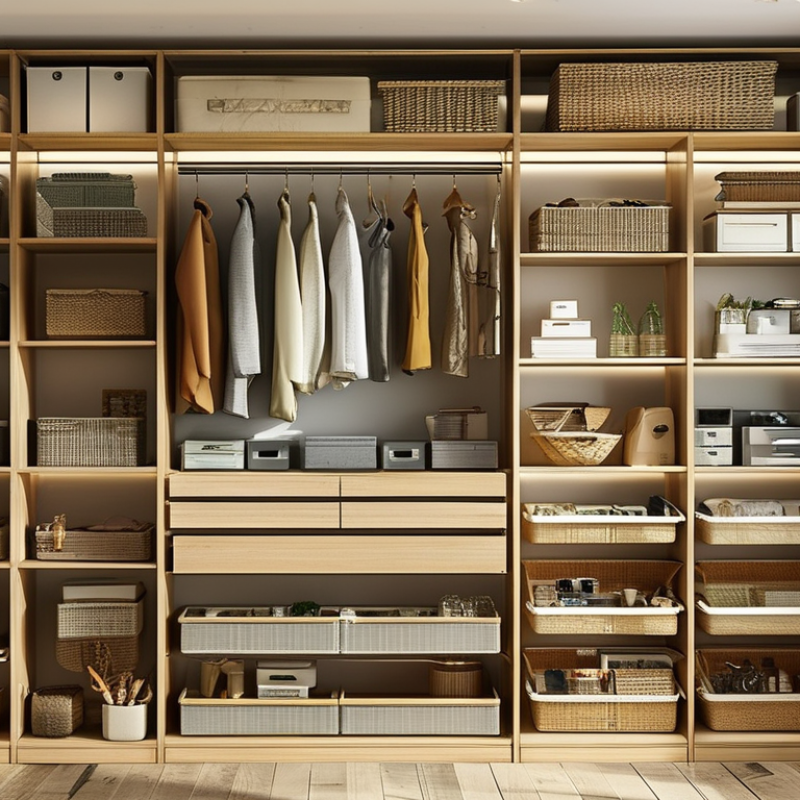
Efficient shelving systems play a crucial role in maximizing storage space and organization. Understanding how to implement these systems can lead to improved workflow and better accessibility. A well-structured shelving solution saves time and reduces stress when searching for items. It also enhances safety by keeping heavy objects secure and reducing clutter.
Organize your shelves by categorizing items. Group similar products together to make retrieval quicker. It's essential to regularly reassess the items on your shelves. If they don’t serve a purpose, consider donating or discarding them. This step clears up valuable space and enhances efficiency.
Consider adjustable shelving for flexibility. Such systems adapt to changing needs, accommodating various item sizes. Use clear labels for easy identification. This small change can significantly increase your storage efficiency. Evaluate your shelving regularly to ensure it meets your evolving requirements. Reflection on your organization practices can lead to better systems over time.
| Tip Number | Storage Type | Recommended Material | Max Load Capacity | Ideal Use Case |
|---|---|---|---|---|
| 1 | Adjustable Shelves | Wood or Metal | 250 lbs | Home Library |
| 2 | Floating Shelves | Wood | 50 lbs | Display Items |
| 3 | Industrial Racks | Steel | 1500 lbs | Warehouse Storage |
| 4 | Wire Shelving | Chrome or Stainless Steel | 600 lbs | Commercial Use |
| 5 | Corner Shelves | Wood | 100 lbs | Space Optimization |
| 6 | Stackable Bins | Plastic | 30 lbs each | Organized Storage |
| 7 | Modular Shelving | Mixed Materials | 400 lbs | Customizable Layouts |
| 8 | Bookcases | Wood or MDF | 75 lbs per shelf | Home Office |
| 9 | Rotating Shelves | Metal | 300 lbs | Compact Areas |
| 10 | Wall-Mounted Shelves | Wood or Metal | 150 lbs | Living Room Decor |
: Measure the height, width, and depth of the designated area for shelving.
Creating a simple sketch can help visualize how items will fit on the shelves.
Determine if items are heavy or lightweight, bulky or small, to select appropriate shelving.
Adequate lighting helps find and organize items easily. Poor lighting can complicate access.
Wood, plywood, and metal are popular choices, each offering different aesthetics and strengths.
Adjustable shelves offer flexibility for various item sizes, while open shelving promotes accessibility.
Ensure airflow if you store moisture-prone materials to protect your items.
A well-designed shelf can add style and improve the overall look of a room or office.
Not tailoring shelf strength to item weight can lead to safety issues and accessibility problems.
Clutter can obstruct plans and hinder effective visualization of your shelving arrangement.
Efficient Shelving Systems play a crucial role in optimizing storage solutions, whether in homes, offices, or commercial spaces. To assess your storage area effectively, it’s vital to consider dimensions, weight capacity, and the types of items that will be stored. This evaluation informs the selection of materials and designs that best meet durability and functionality requirements.
Implementing organizational strategies can significantly maximize available shelf space, such as using adjustable shelves or incorporating vertical storage solutions. Additionally, regular maintenance of the shelving systems ensures their longevity and safety, allowing for a seamless and efficient storage experience. By following these tips, individuals can create a well-organized environment that boosts productivity and creates accessible storage.

 Luyuan Racks