Choosing among the top Carton Flow Storage Systems requires more than comparing prices, roller types, or advertised capacity. Global buyers must examine real operating conditions, including carton dimensions, SKU velocity, replenishment methods, labor patterns, and temperature exposure. A rack that performs smoothly in a German distribution center may struggle in a humid Southeast Asian warehouse. Small details matter. Very much.
John J. Bartholdi III, a respected order-fulfillment researcher, states, “The objective of order picking is to provide the right product, in the right quantity, at the right time, in the right condition.” This principle helps explain why Carton Flow Storage remains valuable for fast-moving inventory. Sloped lanes can present cartons toward pickers, reduce unnecessary walking, and support stock rotation when loading rules are followed. A visible label. A stable carton. Fewer reaching movements.
However, selecting a system is not completely straightforward. Some buyers focus heavily on initial cost and underestimate maintenance, spare parts, or future product changes. That assumption needs testing. A practical evaluation should include load trials, brake performance, lane depth, carton friction, and replenishment speed. Operators should also inspect whether the system remains safe and accessible during busy shifts. No warehouse is identical. This guide compares leading Carton Flow Storage solutions through performance, durability, adaptability, and supplier support. It also considers the imperfect reality of international purchasing, where specifications, installation skills, and after-sales service can vary widely. The best solution is not always the most expensive one. It is the one that fits the work.
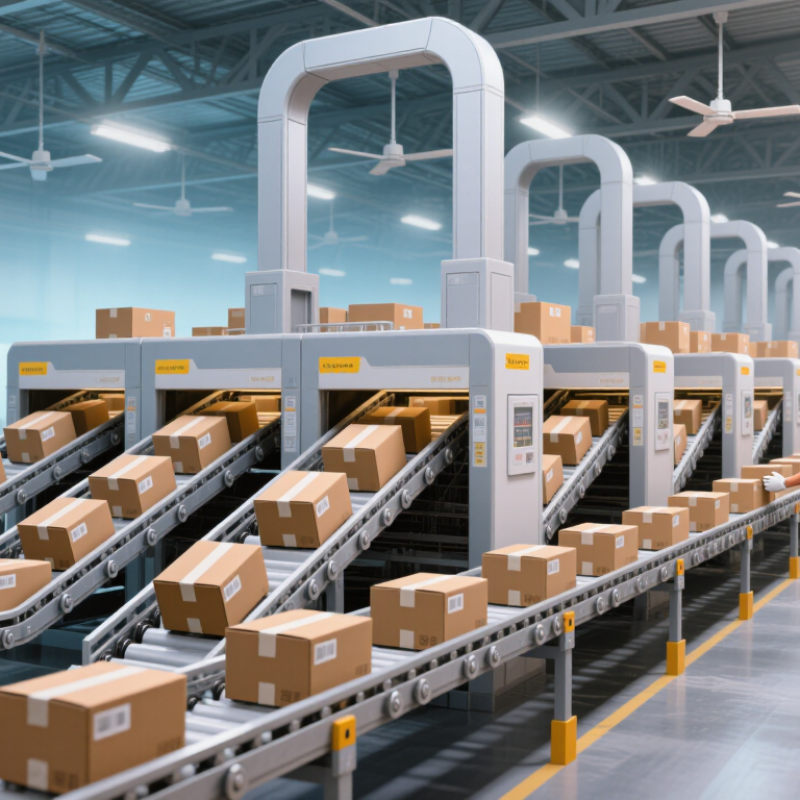
Carton flow storage systems are gravity-assisted shelving units designed for fast, organized case picking. Each lane uses slightly inclined rollers or wheels. Replenishment happens from the rear, while operators pick from the front. As one carton leaves, the next carton moves forward automatically. Simple, but powerful.
This arrangement supports first-in, first-out rotation when products suit that method. It can reduce walking, improve SKU visibility, and separate replenishment from picking activity. The MHI 2024 Annual Industry Report found that 55% of supply-chain professionals planned to increase technology and innovation investment. Carton flow is not fully automated, yet it can deliver practical improvement with limited system complexity. In warehouse audits, small details often matter more than impressive equipment. Lane width, carton weight, roller spacing, and replenishment frequency must match real operating conditions.
Global buyers should request load calculations, adjustable dividers, corrosion protection, and documented safety testing. Regional seismic requirements and fire regulations also require review. A poorly matched carton may stop halfway. That creates hidden labor and frustration. The system may also perform poorly with soft packaging, unstable bases, or very low volumes. The U.S. Bureau of Labor Statistics reported that transportation and material-moving occupations employed millions of workers in 2023, highlighting the value of safer, more efficient material handling. Still, flow shelving is not a universal answer. Site trials, accurate carton measurements, and operator feedback remain essential before purchase.
Carton flow storage works best when product movement, worker reach, and replenishment space are designed together. Gravity rollers should match carton weight and base condition. Smooth cartons may travel too quickly. Add lane brakes or adjustable speed controls where needed. Dividers keep stock aligned and reduce face-to-face product confusion. Clear front labels support faster picking.
MHI’s 2024 Annual Industry Report found that 55% of surveyed supply-chain professionals planned to increase technology investment. Carton flow is not fully automated, but it can improve controlled movement with modest infrastructure. A practical layout places high-frequency cartons between knee and shoulder height. Lower lanes can hold heavier cartons. Each lane also needs enough depth for reserve stock without blocking the picker.
WERC’s 2024 DC Measures report highlights productivity, order-cycle performance, and inventory accuracy as essential distribution benchmarks. These measures should guide lane sizing and replenishment tests. A 1.2-meter lane may appear efficient, yet poor carton dimensions can create dead space. That assumption often fails. Test real cartons during peak periods, not only empty samples. Climate, dust, packaging softness, and operator habits can change roller performance. No layout is perfect. Global buyers should request load testing, adjustable components, and documented maintenance procedures before approving production.
| System Configuration | Typical Carton Profile | Common Lane Depth | Typical Load per Lane | Roller or Wheel Design | Stock Rotation | Key Design Advantages | Best-Fit Applications | Planning Consideration |
|---|---|---|---|---|---|---|---|---|
| Gravity Roller Carton Flow Rack | Medium to large cartons with stable bases; approximately 150–600 mm high | 1,200–2,400 mm | 100–300 kg | Steel or polymer rollers, commonly arranged on replaceable rails | FIFO | Continuous product movement, clear front-face picking, and good use of rack depth | Case picking, food distribution, spare parts, and replenishment zones | Carton bottoms should be flat and strong enough to travel without snagging |
| Wheel-Bed Carton Flow Rack | Light to medium cartons, totes, trays, and packages with smooth bases | 900–1,800 mm | 50–180 kg | Closely spaced wheels for low-friction movement | FIFO | Low rolling resistance, easy carton movement, and economical lane construction | E-commerce picking, consumer goods, cosmetics, and small-parts storage | Irregular or flexible carton bases may require a full-width support surface |
| Adjustable-Pitch Flow Lane | Mixed carton sizes with changing product dimensions | 1,200–2,400 mm | 80–250 kg | Movable roller tracks with adjustable spacing and lane dividers | FIFO | Flexible slotting, faster changeovers, and improved use of variable carton inventory | Seasonal inventory, multi-SKU distribution, and contract logistics | Adjust lane pitch to carton weight, base quality, and replenishment frequency |
| Pick-to-Light Carton Flow Module | Fast-moving cartons, totes, and order-picking containers | 600–1,500 mm | 30–150 kg | Roller or wheel lanes integrated with electronic picking indicators | FIFO | Reduces search time, supports high picking accuracy, and provides clear operator guidance | High-throughput fulfillment, retail replenishment, and multi-line order picking | Requires power, control integration, operator training, and maintenance planning |
| Carton Flow with Dividers | Small cartons, packaged components, and narrow-SKU product groups | 600–1,500 mm | 25–120 kg | Roller tracks or wheels with adjustable metal or polymer dividers | FIFO | Improves SKU separation, prevents product mixing, and creates organized pick faces | Automotive parts, hardware, electronics accessories, and maintenance stores | Divider spacing should match carton width while allowing easy hand access |
| Heavy-Duty Carton Flow Rack | Dense cartons, cases, and heavy containers; approximately 300–800 mm high | 1,500–2,700 mm | 200–500 kg | Reinforced steel rollers, structural rails, and high-capacity braking sections | FIFO | Supports heavier products, longer lanes, and demanding replenishment cycles | Industrial distribution, beverage packaging, building materials, and bulk components | Rack frames, beams, floors, and brakes must be checked for the combined design load |
| Pallet-Rack-Mounted Carton Flow | Cartons and totes stored within conventional pallet-rack structures | 900–2,400 mm | 50–300 kg | Modular flow beds installed between existing rack beams | FIFO | Uses existing vertical space and combines pallet reserve storage with carton picking | Warehouses requiring mixed pallet and case-picking operations | Existing rack dimensions, beam capacity, clearances, and anchoring must be verified |
| Two-Sided Carton Flow Workstation | Frequently picked cartons and totes arranged around a central work aisle | 600–1,500 mm per side | 30–180 kg per lane | Flow lanes on both sides, often combined with a packing or picking bench | FIFO | Shortens walking distance, supports ergonomic picking, and increases work-area density | Order assembly, kitting, light manufacturing, and packing operations | Workstation width, aisle clearance, lighting, and replenishment access require careful layout |
| Temperature-Controlled Carton Flow | Cartons used in chilled, frozen, or humidity-sensitive distribution | 900–2,100 mm | 50–250 kg | Corrosion-resistant rollers, coated components, and sealed or protected fittings | FIFO | Supports date-sensitive stock rotation and improves access in controlled environments | Food, pharmaceutical, medical supply, and temperature-sensitive products | Materials, lubrication, drainage, hygiene, and cleaning procedures must suit the environment |
Choosing the right carton flow system depends on carton size, product weight, picking speed, and available aisle space. Roller lanes suit medium and heavy cartons, while wheel-bed lanes work well for lighter packages. Sloped shelving supports gravity-fed movement, keeping the front carton ready for picking. These systems can improve stock rotation and reduce unnecessary walking.
For strict first-in, first-out control, dynamic carton flow lanes are a practical option. Separate lanes can handle different stock-keeping units, reducing mixing errors. Push-back carton flow may save space, but it is less suitable when every carton needs direct access. Adjustable dividers and lane widths help buyers manage changing products. Still, poorly matched carton dimensions can cause carton jams, uneven movement, or damaged packaging. Real warehouse testing matters more than a brochure.
Tips: Measure the heaviest and lightest cartons before ordering. Check carton bottoms for rigidity and friction. Ask for load tests using your actual packaging. Leave enough replenishment clearance behind picking faces. A small trial lane may reveal problems early. Consider local installation skills, spare parts, and climate conditions. Corrosion protection may be necessary in humid facilities. Even experienced teams can overlook cleaning access, which later affects wheel movement and picking accuracy.
How to Compare Load Capacity, Size, and Warehouse Compatibility
For global buyers, carton flow storage should be compared as an engineered workflow, not a catalog picture. The MHI 2024 Annual Industry Report reports that 83% of supply-chain professionals expect technology adoption to increase within five years. That pressure makes capacity evidence essential. Ask for rated load per lane, level, and frame. Separate static capacity from working capacity. A 40-kilogram carton may fit visually, yet overload rollers during replenishment. It happens.
Measure carton length, width, height, weight range, and bottom quality before selecting a system. Record the heaviest carton, not only the average. Lane pitch must support smooth movement without cartons tipping or colliding. Leave practical clearance for hand access and label visibility. A deep shelf can waste space when cartons are shallow. A narrow lane can restrict replenishment speed. Small dimensional errors become daily labor costs.
Warehouse compatibility requires more than fitting between rack beams. Check bay width, beam spacing, aisle clearance, floor levelness, lighting, temperature, and replenishment direction. WERC’s 2024 DC Measures report treats order-picking accuracy as a core distribution benchmark, so poor carton presentation deserves attention. Test several real cartons for one week. Include damaged packaging and slow-moving stock. The result may challenge the original layout. That is useful evidence. A technically strong system can still fail when operators cannot reach the rear lane comfortably.
Choosing a carton flow storage system involves more than comparing prices. Global buyers should examine quality, cost, safety, and supplier support together. In warehouse assessments, durable roller tracks often perform better under repeated loading. Frames should resist bending, while dividers should remain stable during picking. Ask for load ratings, material specifications, and sample testing records.
Cost deserves a wider view. A low purchase price can hide frequent repairs, difficult installation, or poor replacement access. Calculate total ownership costs over several years. Include freight, customs handling, labor, maintenance, and spare parts. Modular designs may reduce future expenses. However, some affordable systems use weaker components. That trade-off needs careful checking.
Safety should be visible in daily operation. Smooth movement, secure stops, clear labels, and suitable aisle spacing reduce handling risks. Suppliers should provide installation guidance, inspection procedures, and responsive technical support. Request realistic delivery schedules and written warranty terms. Contacting existing users can reveal service quality more clearly than polished sales material. No evaluation is perfect. A small pilot section may expose noise, alignment issues, or awkward carton movement before a full purchase. Supplier support matters most after installation, when warehouse conditions rarely match the catalog.
It is shelving with inclined rollers or wheels. Cartons move forward by gravity as stock is picked.
Workers replenish cartons from the rear and pick them from the front. This separates two activities.
Yes, when the products suit that method. The oldest carton usually reaches the picking face first.
Test carton weight, width, depth, base stability, and packaging softness. A carton may stop halfway.
Match roller spacing and speed to real cartons. Lane brakes may help with smooth or fast-moving packages.
Products with stable bases and regular picking volumes often work well. Soft packaging can cause movement problems.
Request load ratings, secure stops, clear labels, and suitable aisle spacing. Local safety and fire requirements also matter.
Include freight, installation, maintenance, spare parts, and labor. A low price can hide expensive repairs.
A small trial can reveal noise, alignment problems, and awkward carton movement. Catalog measurements are not enough.
Ask for maintenance procedures, installation guidance, warranty terms, and realistic delivery schedules. Support often matters later.
Carton Flow Storage systems are gravity-fed shelving solutions designed to keep cartons moving smoothly from the loading side to the picking side. By using inclined rollers or wheels, they support first-in, first-out inventory rotation, reduce manual handling, and improve order-picking efficiency. Their main design features include adjustable lanes, durable frames, smooth-flow components, ergonomic access, clear product identification, and flexible layouts that can adapt to different carton sizes and warehouse processes.
For global buyers, selecting the right Carton Flow Storage system requires comparing load capacity, shelf dimensions, lane depth, carton compatibility, and available floor space. Buyers should also assess installation requirements, warehouse safety, product quality, total cost, maintenance needs, and supplier support. A reliable system should offer stable performance, easy adjustment, secure operation, and practical after-sales assistance. Careful evaluation helps businesses choose a solution that improves storage density, supports organized inventory rotation, and delivers lasting value across different warehouse environments.

Luyuan Racks