What Is Longspan Storage and How Does It Work?

Time:2026-09-10 Author:Charlotte
0%

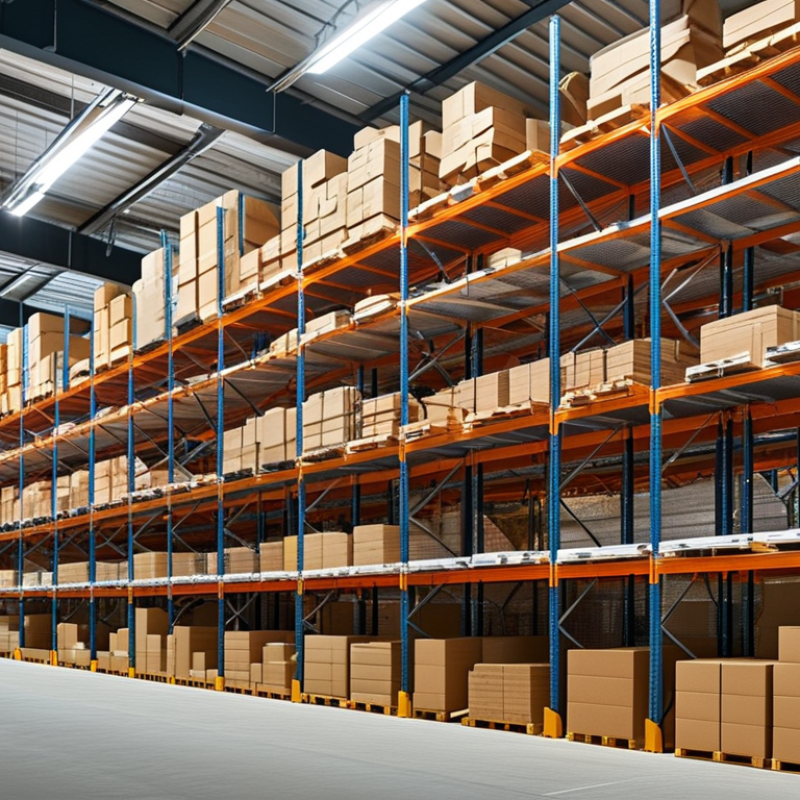
Longspan Storage is a practical shelving system for bulky, long, or irregular products. It usually uses steel frames, horizontal beams, and decking panels. The design creates wider, stronger shelf levels than standard small-parts shelving. That makes it useful for furniture, cartons, tools, building materials, and boxed equipment.

Warehouse systems specialist David J. Piasecki states, “Inventory accuracy is a measure of how closely the physical inventory matches the inventory records.” His point matters here. Good Longspan Storage should support clear product identification, safe access, and accurate stock counts. A worker should see each item without moving several others first. Labels, aisle planning, and consistent shelf locations help make that possible.

The system works through a simple structural arrangement. Upright frames carry vertical forces. Beams connect the frames and support each shelf level. Chipboard, steel panels, or wire decking can create the storage surface. Installers then adjust beam heights to match product dimensions. Heavy cartons belong on lower levels. Frequently handled items should stay within comfortable reach.

It sounds straightforward. Real warehouses are less perfect.

Poor load distribution can bend components or reduce stability. Overcrowded aisles can slow picking and increase handling risks. Floor condition, anchoring, product weight, and local safety requirements also affect the final design. This guide explains how Longspan Storage works, where it performs well, and which planning mistakes deserve closer attention before installation.
What Is Longspan Storage and How Does It Work?

What Longspan Storage Means

What Is Longspan Storage and How Does It Work?

What Longspan Storage Means

Longspan storage is a freestanding shelving system designed for bulky, hand-loaded items. It usually has two upright frames and several horizontal beams. Workers place cartons, tools, spare parts, or loose materials directly on the shelves. Unlike pallet racking, it does not depend on forklifts for normal access.

The term “longspan” describes the shelf’s wider clear opening. Typical levels may hold several hundred kilograms, but capacity depends on beam length, decking, frame height, and load distribution. A 2024 material-handling industry report identified continued investment in warehouse technology as a major operational priority. Longspan systems remain relevant because many stockrooms still require simple, human-scale access.

A practical installation needs more than strong steel. Supervisors should check floor conditions, aisle width, shelf deflection, and anchor requirements. The U.S. Bureau of Labor Statistics recorded about 2.6 million nonfatal workplace injuries in private industry during 2023. That figure does not measure shelving accidents specifically, but it shows why storage design needs disciplined inspection.

Keep heavy cartons low.

Operators should also label maximum loads clearly and train staff to avoid uneven placement. In real warehouses, shelves rarely stay perfectly organized. That is the uncomfortable part. A system may meet its design rating, yet poor loading habits can reduce its safety margin. Industry guidance helps, but site-specific assessment remains essential.

What Is Longspan Storage and How Does It Work?

Longspan storage is a modular shelving system designed for bulky or hand-loaded items. Wider shelf levels create clear, accessible storage bays without requiring pallets or forklifts. The figures below show common nominal shelf widths and representative load ratings for general-purpose longspan systems; actual capacity depends on the frame, beam, deck, and load distribution.

As shelf width increases, the load rating must be verified against the manufacturer’s engineering specification. Loads should be evenly distributed, and the stated capacity should not be exceeded.

The Main Components of a Longspan Storage System

Longspan storage is built from a few practical parts: upright frames, horizontal beams, decking, braces, and floor anchors. The frames carry vertical loads, while beams connect them at selected heights. Steel panels or chipboard decking create flat shelves for cartons, tools, spare parts, and awkward items. In a working warehouse, a shelf may hold labeled boxes beside a trolley aisle. Small details matter. Uneven floors, damaged beams, or poor load distribution can reduce stability.

The system works through adjustable levels and direct access. Workers place goods by hand, often without forklifts, which suits medium-sized products and changing inventories. The 2024 MHI Annual Industry Report identified cloud computing as an adopted technology for 55% of surveyed supply-chain professionals. That figure supports digital stock records, but software cannot correct a badly planned shelf layout. Clear labels, load notices, aisle space, and beam safety clips remain essential components. Guardrails may protect exposed ends, while back panels help prevent items from falling into walkways.

In practice, layouts are rarely perfect. Product sizes change. A shelf designed for cartons may later hold long metal parts, creating uneven pressure. That is why experienced installers check the heaviest expected load, shelf deflection, anchoring, and worker access before approval. The 2023 Logistics Managers’ Index reported continued pressure on warehousing capacity, making vertical space attractive. Still, higher shelves are not automatically better. A careful design leaves room for inspection, replenishment, and human error.

How Longspan Storage Supports Different Loads

Longspan storage is a modular shelving system designed for medium and heavy items. It usually combines steel frames, horizontal beams, and adjustable shelves. The open design allows workers to load goods by hand without special equipment.

Different loads require different shelf arrangements. Small cartons create a fairly even distributed load across a shelf. Long pipes, timber, or metal profiles create a different challenge because their weight may concentrate near the beams. Point loads need careful checking. A boxed machine can press heavily on four small feet, even when its total weight seems moderate. Shelf depth, beam spacing, and frame height also affect stability. Higher units may need wall ties or other approved restraints.

In practice, load labels should match real operating conditions. They should account for shelf weight, stored products, and movement during loading. A qualified engineer can verify capacities using the structure, connections, and floor condition. Uneven floors are easy to overlook. They can make a stable-looking bay lean slightly. That small error may grow under repeated use. Workers should place heavier goods on lower levels and keep loads centered. Regular inspections can reveal bent beams, loose connectors, or overloaded shelves before they become serious problems. The design may be sound, but careless loading can still weaken its performance.

How to Plan and Install Longspan Storage

Longspan storage needs careful planning before any frame is unloaded. Measure the room, columns, doors, sprinklers, and walking routes. Record clear height, floor condition, and the weight of every stored item. The 2024 MHI Annual Industry Report surveyed more than 1,000 supply-chain professionals. It identified labor availability as a continuing pressure on warehouse efficiency. A practical layout should therefore reduce reaching, lifting, and unnecessary travel.

Choose bay widths around the actual cartons, not an imagined average. Leave enough clearance for loading and safe access. Check each shelf level against the manufacturer’s rated capacity. Never combine evenly distributed loads with heavy point loads without verification. Floor strength matters. A neat drawing can still hide a weak slab. Consult a qualified engineer when loads are concentrated or the building structure is uncertain.

During installation, level every upright and tighten each connection to the specified torque. Install braces, shelf beams, clips, and anchors exactly as designed. Keep aisles clear, and protect exposed corners near vehicle routes. OSHA’s material-handling guidance requires stored materials to remain stable and arranged without creating hazards. After installation, inspect for leaning frames, damaged components, loose anchors, and overloaded shelves. Mark safe load limits at eye level. The first layout is rarely perfect; observe how workers use it, then revise spacing carefully.

What Is Longspan Storage and How Does It Work? — How to Plan and Install Longspan Storage
Planning Dimension Typical Specification or Range How It Works Planning and Installation Guidance
Storage Definition Adjustable shelving with relatively wide beam spans Horizontal beams connect upright frames and support shelves or decking, creating accessible storage levels without a front support post in each bay. Select the system according to the required load, span, access frequency, and available room height.
Common Applications Archive rooms, workshops, stockrooms, warehouses, and back-of-house areas Open shelf levels provide direct access to cartons, containers, tools, components, and other hand-loaded items. Use a storage layout that separates fast-moving items from reserve stock and maintains clear walking routes.
Typical Bay Width Approximately 900–2,400 mm The bay width is the horizontal distance between adjacent upright frames. Wider bays can improve access but may reduce capacity unless the beams and shelves are suitably rated. Confirm the exact span from the manufacturer’s load tables; do not size beams by width alone.
Typical Section Depth Approximately 300–900 mm Depth determines how far stored items extend from the aisle and affects both usable volume and access reach. Choose a depth that supports the load without creating unsafe overhangs or obstructing adjacent aisles.
Typical Shelf Levels Usually 2–6 adjustable levels per section Shelves can be positioned at different heights to accommodate cartons, totes, equipment, or irregularly sized goods. Allow enough vertical clearance for safe placement and removal, including hand clearance above stored items.
Load Capacity Commonly about 100–500 kg per shelf, depending on design Capacity is determined by beam size, shelf material, span, load distribution, frame height, and connection design. Use evenly distributed loads unless the system is specifically designed for concentrated loads. Always follow the certified capacity rating.
Load Distribution Uniformly distributed load is the normal planning basis Loads are transferred from the shelf or decking to the horizontal beams, then through the upright frames to the floor. Place heavier items on lower levels where practical and keep the center of gravity within the shelf footprint.
Frame Height Commonly about 1,800–3,000 mm for hand-loaded systems Height increases storage volume, while taller frames require greater attention to stability, access, and ceiling clearance. Check room height, lighting, sprinklers, doors, ventilation, and any local clearance requirements before installation.
Shelf Materials Steel panels, chipboard, plywood, wire mesh, or composite decking The shelf surface supports the stored goods and transfers their weight to the beams or shelf supports. Select a material suitable for the load type, environment, fire strategy, cleanliness requirements, and expected impact.
Adjustability Shelf increments often range from approximately 25–50 mm Beam connections or shelf supports can be repositioned to match changing product dimensions. Reconfigure only according to the system instructions, and reassess capacity after changing beam positions or shelf layouts.
Aisle Width Often about 900–1,200 mm for pedestrian access Aisles provide access for picking, replenishment, inspection, and emergency movement. The required width depends on handling equipment, traffic volume, turning space, and applicable workplace regulations.
Installation Sequence Plan layout → inspect floor → assemble frames → fit beams → install shelves → level and inspect Uprights form the structural framework; beams lock into the frames, and shelves or decking create the storage surfaces. Use competent installers, verify all locking pins and connections, and complete a final stability and load-label inspection.
Floor Requirements Solid, level floor with adequate load-bearing capacity The floor receives the vertical loads from the upright feet and must remain stable under operating conditions. Check floor flatness, slab condition, anchor requirements, and local structural limitations before drilling or loading.
Stability Measures Cross-bracing, base plates, anchors, and correctly locked beam connections These components resist sway, maintain frame geometry, and transfer forces safely to the floor. Do not remove braces or modify frames without a technical review. Anchor systems should match the floor type and design loads.
Safety Clearances Maintain clearances around aisles, doors, lighting, sprinklers, and fire equipment Clearances support safe access, visibility, inspection, ventilation, and emergency response. Apply local building, fire, occupational safety, and accessibility requirements because clearance rules vary by location.
Inspection Frequency Routine user checks plus periodic formal inspections Inspections identify impact damage, bent uprights, loose connections, overloaded shelves, missing components, and corrosion. Inspect after relocation, impact, or modification, and record corrective actions for damaged or overloaded sections.
Best-Fit Inventory Medium-weight, hand-loaded items with varied dimensions Adjustable open shelves provide flexible storage where forklift access is unnecessary or limited. Use labeled bins or dividers for small parts, and place frequently accessed items between comfortable waist and shoulder heights.
Key Planning Inputs Item dimensions, item weights, quantity, access method, room dimensions, and future growth These inputs determine the number of bays, shelf levels, span, depth, aisle layout, and required capacity. Plan for future inventory changes rather than filling every available space at the initial installation stage.

Where Longspan Storage Is Commonly Used

What Is Longspan Storage and How Does It Work?

Where Longspan Storage Is Commonly Used

Longspan storage is a modular shelving system for bulky, awkward, or medium-weight items. It usually has steel frames, adjustable beams, and chipboard or metal decking. Workers load products by hand, without forklifts. Bay heights and beam spacing can change as inventory needs develop. That flexibility matters in growing facilities.

Longspan storage is common in warehouses, workshops, spare-parts rooms, archives, retail stockrooms, and light manufacturing areas. In a maintenance room, one bay may hold pumps, while another stores labeled bins of fasteners. Retail backrooms use it for cartons that cannot fit standard gondola shelving. Offices and public institutions also use it for files, equipment, and seasonal materials.

The U.S. Census Bureau reported that e-commerce represented about 16% of total U.S. retail sales in 2024. This pressure encourages better use of backroom and fulfillment space. The 2024 MHI Annual Industry Report, based on more than 1,000 supply-chain professionals, also highlighted continuing investment in warehouse technology and efficiency. Longspan shelving often supports that goal without requiring automated equipment.

Still, “heavy-duty” is not a universal rating. A common mistake is treating every beam as equally strong. Loads must match the manufacturer’s specifications, floor conditions, and local safety requirements. In practice, mixed inventory can create uneven pressure. That detail is easy to overlook. Periodic inspections, clear load labels, and anchored frames can reduce preventable failures. However, each installation still deserves a qualified review, especially when workers access upper levels.

FAQS

: What is longspan storage?

: It is a freestanding shelving system for bulky, hand-loaded items. Workers store cartons, tools, spare parts, and loose materials directly on shelves. No forklift is normally required.

How does longspan shelving work?

Upright frames support horizontal beams and adjustable shelves. The wider openings hold larger items than many small-bin systems. Workers load products by hand from aisle level.

What types of loads can it support?

It suits medium and heavy items with suitable shelf arrangements. Cartons usually spread weight evenly across the shelf. Pipes, timber, and machinery may create concentrated point loads.

How should heavy items be arranged?

Place heavy cartons on lower levels. Keep every load centered and distribute weight across the shelf. Do not rely on total weight alone. Four small machine feet can create strong pressure.

How is shelf capacity determined?

Capacity depends on beam length, shelf depth, frame height, decking, and load distribution. The rating should include stored products and shelf components. A qualified engineer should verify unusual or concentrated loads.

What installation conditions matter?

Check the floor condition, aisle width, shelf deflection, and anchoring needs. Uneven floors can make a bay lean slightly. That small tilt may worsen through repeated use.

Are taller longspan units always stable?

No. Higher units may need wall ties or other approved restraints. The correct choice depends on height, loading, connections, and floor conditions. Tall and narrow can be unforgiving.

How can workers maintain safe storage?

Display maximum loads clearly and train staff to avoid uneven placement. Inspect beams, connectors, shelves, and frames regularly. Look for bends, looseness, or overloaded levels. Warehouses rarely stay perfect. Good design still needs disciplined habits.

Conclusion

Longspan Storage is a flexible shelving and racking solution designed to hold medium- to heavy-weight items across wide, unobstructed spans. Unlike systems intended only for small cartons, it provides broad shelf surfaces that can accommodate bulky products, containers, tools, and materials of different sizes. A typical system includes upright frames, horizontal beams, shelf panels, connectors, and stabilizing supports. These components work together to create a strong, adjustable structure that can be expanded or reconfigured as storage needs change.

The system can support different loads when the shelf type, beam strength, spacing, and installation method are properly matched to the items being stored. Planning usually involves measuring the available area, considering ceiling height and access routes, estimating load requirements, and selecting suitable shelf levels. During installation, the frame must be assembled securely on a stable surface and checked for alignment and balance. Longspan Storage is commonly used in warehouses, workshops, stockrooms, archives, retail backrooms, and industrial facilities where organized, accessible, and adaptable storage is important.

Charlotte

Charlotte

Charlotte is a seasoned marketing professional with a deep understanding of the company's portfolio and a passion for elevating its presence in the market. With a keen eye for detail and a commitment to excellence, she ensures that our professional blog is regularly updated with insightful articles......