Choosing a Vertical Racks supplier in China takes more than comparing prices. The right partner must understand your load requirements, available floor space, handling equipment, and plans for future growth. A rack that looks sturdy in a catalog may still be poorly suited to a narrow aisle or an uneven warehouse floor.
This guide explains how to assess suppliers through practical checks: factory capability, material specifications, weld and finish quality, engineering support, sample and inspection options, and clear communication. Ask for drawings that show dimensions and load ratings. Check whether the supplier can explain how those figures apply to your intended use. Small details matter. A missing dimension can create a costly installation problem.
A useful expert quotation should come from a verifiable industry professional. No source article or named expert was provided, so attributing a statement to a real person here would risk inventing a quotation. Insert a verified comment in this place: “[Expert name], [role or organization]: ‘[Verified quotation about supplier selection or rack quality].’” That step is less polished, perhaps, but it protects credibility.
Supplier evaluation also deserves a little skepticism. Certifications and polished product photos can help, but they do not replace checking references, technical documents, and production consistency. The goal is not simply to find the lowest bid. It is to identify a supplier that can explain its design choices, document its claims, and respond clearly when requirements change.
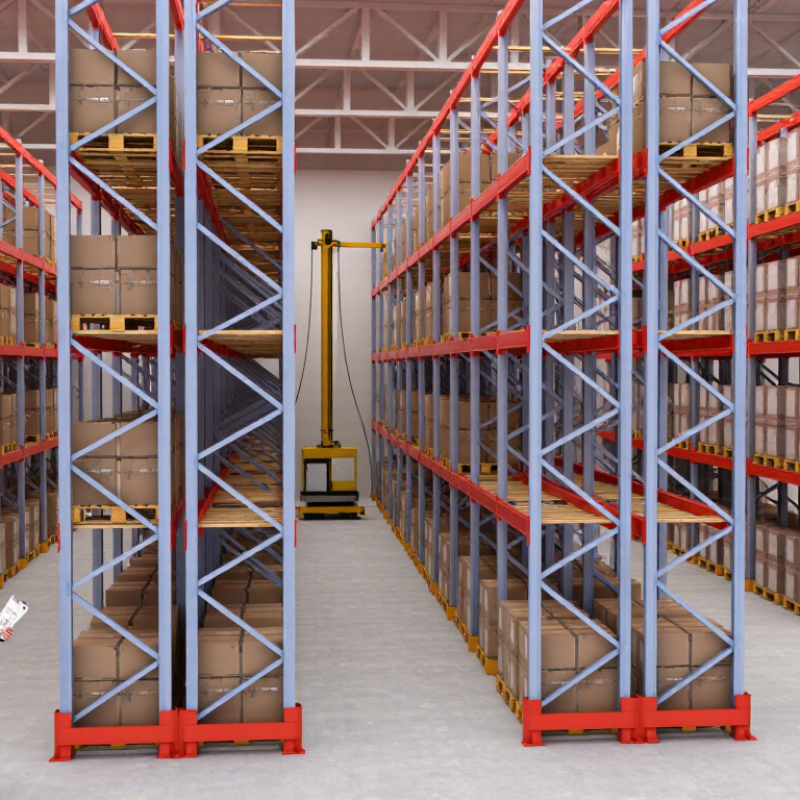
Before comparing suppliers, define the vertical rack type by the items it will hold. Panels, pipes, and metal profiles may need different supports and loading methods. Record each item’s length, width, height, and weight. Then specify the bay’s usable width, depth, and height in millimeters. Clarify whether these are clear internal dimensions or overall external dimensions. A few centimeters can affect handling. Small details matter.
State the required rated load per level in kilograms, not only the total rack capacity. Explain whether the load is evenly distributed or concentrated at specific support points. These conditions can change the required beam or arm design. Include the number of storage levels and their planned spacing. Ask suppliers to confirm capacity for your exact configuration and provide a load diagram. Check floor conditions and anchoring needs with a qualified installer. I have seen specifications become unclear when teams use “capacity” without saying per level. That is worth reviewing twice.
Tips: Send suppliers a simple drawing with bay dimensions, item sizes, and load per level. Request written confirmation that the quoted rating matches those details.
Use the specifications below as realistic starting points for supplier inquiries, not as universal product ratings. Actual capacity depends on the steel grade, beam and upright sections, connection design, rack height, anchoring, and applicable local standards. Request a load calculation and configuration-specific drawings before ordering.
| Rack Type | Typical Application | Example Bay Dimensions (W × D × H) | Example Rated Load per Level (kg) | Key Details to Define with the Supplier |
|---|---|---|---|---|
| Selective pallet racking | Direct access to each pallet; commonly used in warehouses with varied SKUs. | 2,700 × 1,100 × 6,000 mm | 2,000–3,000 kg per beam level | Pallet size and orientation, beam length, frame depth, number of levels, forklift aisle width, and whether the rating is for a uniformly distributed load. |
| Long-span shelving | Hand-loaded cartons, bins, and medium-weight items. | 2,000 × 600 × 2,400 mm | 300–800 kg per shelf level | Shelf type, clear span, shelf material, number of shelf levels, and the load distribution used for the capacity rating. |
| Drive-in pallet racking | High-density storage for larger quantities of the same product, using forklift lanes. | 1,350 mm lane width × 5,000 mm depth × 6,000 mm height | 1,000–1,500 kg per pallet position | Number of pallet positions per lane, pallet dimensions, forklift operating clearances, entry and exit arrangement, and load limits for rails and uprights. |
| Cantilever racking | Long or bulky goods such as pipes, timber, profiles, and sheet materials. | 3,000 mm bay width × 1,200 mm arm length × 3,000 mm height | 500–1,000 kg per arm pair per level | Goods length and weight, arm length, number of arms, single- or double-sided layout, and whether the stated capacity applies per arm, arm pair, or complete level. |
| Mobile shelving | Space-efficient storage for files, small parts, or boxed goods on movable carriages. | 900 × 450 × 2,000 mm per shelving bay | 80–150 kg per shelf level | Manual or powered movement, floor flatness, rail layout, total system weight, anti-tip features, and the capacity of each shelf and carriage. |
It should match your planned rack configuration, including beam length, steel thickness, connectors, and load placement. Check the test load, span, measurement points, and test duration. A generic certificate may not answer enough.
For a 2,400 mm beam span, L/200 allows up to 12 mm of deflection under the stated test load. It is a reference point, not an automatic guarantee. Ask an engineer whether it fits your project.
Yes. Request dated photos or video and the full report, not just a cropped result. Small details matter.
Ask whether the measured deflection returned after unloading. The report should explain what happened. I would not assume recovery without seeing the record.
Request mill certificates, purchase records, and incoming inspection logs. Match the steel grade and heat number to the material used. Paper can look perfect.
Check records for load-bearing parts, such as beam connectors and upright joints. Look for dated inspections, noted defects, and reinspection after repairs. Missing entries deserve a closer look.
Ask for readings from several points on finished components, including edges and corners. Confirm the gauge was calibrated and ask how results were recorded. One flat spot is not enough.
Pause production approval and ask for an explanation. Compare labels, weld appearance, and coating coverage with the documents. If test conditions remain unclear, request a repeat test using your intended beam length and load. Don’t guess.
Finding reliable Vertical Racks suppliers in China starts with defining exactly what your project needs: rack type, bay dimensions, and the rated load required for each level. With these specifications established, screen potential suppliers for ISO 9001 certification and relevant rack-design standards, then request documentation showing how their products are tested. Pay particular attention to load-test results and whether beam deflection stays within the L/200 benchmark under the stated conditions.
Before making a decision, review factory records for steel grade, weld quality, and coating thickness, and confirm that these details match the proposed product. Comparing physical samples can help assess workmanship and finish, while clear discussions about production lead times, Incoterms, and warranty terms reveal how well each supplier can support your order. Evaluating these factors together helps you make a practical, evidence-based choice rather than relying on price or claims alone.

 Luyuan Racks