Commercial storage has to keep everyday items visible, accessible, and safely supported. Wire Shelving can help meet these needs in stockrooms, kitchens, workshops, and supply areas. Its open design allows staff to see stored products without moving boxes or opening cabinet doors. That matters. During a busy shift, a clear view of labels and supplies can save small but valuable amounts of time.
Wire shelves also allow air to circulate around stored goods, which may help reduce trapped dust and moisture compared with solid surfaces. Many systems offer adjustable shelf heights, so a team can make room for tall containers, folded linens, or compact cartons as needs change. Assembly is often straightforward, though the exact process depends on the product. Not every unit is equally sturdy. Buyers should check the manufacturer’s stated weight limits, materials, finish, and installation guidance before placing heavy items on a shelf. A poorly matched unit can wobble, rust, or waste space.
The right choice depends on the room and the work taking place there. A dry retail stockroom may need different features from a humid food-preparation area. Measure the available floor space, consider the items’ weight and size, and leave enough room for safe access. Wire Shelving is practical, but it is not a universal fix. Looking closely at its advantages, limitations, and selection criteria can help businesses choose storage that supports daily work rather than complicating it.
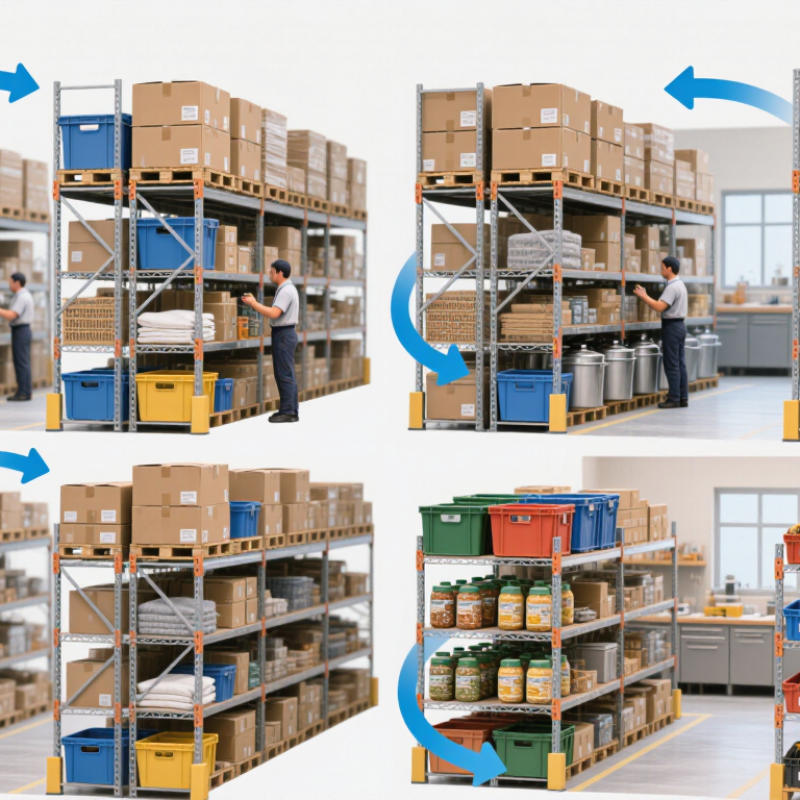
Wire shelving uses a grid of metal rods supported by upright posts and cross-braces. This open-grid construction leaves clear sightlines between shelves, making stored cartons, bins, and supplies easier to spot. It also allows air to move around items, which can help shelves dry after routine cleaning.
That matters.
In a busy stockroom, staff can identify a labeled tote without moving several boxes. Dust and spills are also easier to notice than on a solid shelf, though small items may need bins to stay put. Wire shelves are not a cure-all: gaps can catch narrow packaging, and an overloaded or uneven unit may wobble. Check the manufacturer’s load rating, assemble the frame on a level floor, and distribute weight across each shelf.
Those details are easy to overlook.
Tips: Use matching bins for small parts, place heavier loads on lower shelves, and leave space around frequently handled items. Recheck connections after setup; a quick inspection can catch a loose clip before the shelf is fully stocked.
Why Choose Wire Shelving for Commercial Storage?
Open wire shelves let workers see cartons, labels, and low stock without moving nearby items. Their gaps also allow air to circulate around stored goods, which can help reduce stagnant pockets in suitable, dry storage areas. They do not control humidity or replace temperature management. In a busy stockroom, that distinction matters. A blocked view can hide a nearly empty carton; an open shelf makes a quick visual check easier, though workers still need reliable counts. Zebra’s 2024 Warehousing Vision Study reports that 87% of warehouse decision-makers plan to increase technology investments by 2029. Better visibility supports those efforts, but shelving alone cannot provide real-time inventory data.
Tips: Keep labels facing the aisle and leave clear sightlines to frequently checked items. Record a shelf count, then compare it with the inventory system. Small mismatches happen. Review them before they become routine.
For practical results, match shelf spacing to the actual cartons and bins in use. Leave enough room to see product fronts, but avoid gaps that let small items slip through. Dust and glare can still obscure labels, and open shelves offer less protection from spills than enclosed cabinets. A short monthly walk-through can reveal bent wires, blocked airflow, or stock stored where staff cannot inspect it easily. It is not perfect; even a tidy shelf can give a misleading impression when items sit behind one another.
Open-wire shelving can make stored goods easier to inspect, but it does not remove sprinkler-clearance requirements. NFPA 13 uses an 18-inch clearance below sprinkler deflectors as a common benchmark for many storage situations. The exact rules depend on sprinkler design, stored materials, ceiling height, and shelf arrangement. Confirm the applicable edition and approved plans with a fire-protection professional and the local authority.
Measure to the highest box, not the shelf frame. A carton added later can quietly reduce the gap. Small changes matter. Open decks may allow water through more readily than solid shelves, but they do not guarantee adequate sprinkler coverage. NFPA’s report on warehouse fires estimated an average of 1,210 warehouse structure fires annually in the United States from 2009 to 2013, with about $155 million in direct property damage each year. That older figure is a useful reminder, not a prediction for any one facility.
Mark the clearance line on uprights, check it during routine stock reviews, and keep oversized cartons from creeping above it. Clearance checks can be imperfect when inventory moves quickly; record exceptions and have the fire-protection design reviewed before changing storage height.
Wire shelving works well in commercial storage when its load rating matches the real job. OSHA 29 CFR 1910.176(b) requires stored materials to be stable and secured against sliding or collapse; it does not assign one universal weight limit to every shelf. That number must come from the unit’s rated-load information. Check whether the rating applies to each shelf or the full unit, and whether it assumes an evenly distributed load. Important detail.
The Rack Manufacturers Institute’s ANSI MH16.1-2023 addresses design, testing, and use of industrial steel storage racks, though not every wire shelving unit falls within its scope. For any system, use the maker’s documented rating and installation instructions rather than borrowing a figure from a different shelf. In practice, place heavy cartons low, spread weight across the shelf, and secure the unit as specified. A concentrated load—one dense box near an edge—can stress a shelf differently from evenly arranged cartons. Check connections after installation and whenever the layout changes. I still treat a load label as a limit, not a target; real floors, uneven loading, and hurried restocking can complicate the neat numbers on a spec sheet.
OSHA 29 CFR 1910.176(b) requires tiered materials to be stable and secure against sliding or collapse. The regulation does not specify a universal shelf load capacity. Check the shelving’s rated load information and follow the manufacturer’s limits; do not exceed the rating. OSHA 29 CFR 1910.176
In food-service storage, wire shelving allows air to circulate around dry goods and supplies. Open shelves can also make spills and dust easier to spot. NSF/ANSI 2 addresses food equipment design and construction for sanitation and food protection. However, a shelf’s appearance alone does not prove it meets the standard. Check documentation for the exact unit and configuration, and confirm whether it suits your facility’s use.
Tips: Match the shelf material and finish to the room. Consider humidity, wash-down routines, temperature changes, and the weight of stored items. Keep products off the floor, and leave enough space to clean beneath each shelf. Small details matter.
A storage rack is not automatically suitable for direct food contact. If ingredients will touch a shelf, verify that the surface is intended for that use. In damp areas, unsuitable finishes may corrode or become difficult to clean. Check load limits, supports, and assembly instructions before installation. Not every rack fits. Local inspection requirements may also affect placement or use, so confirm them with the responsible authority. There can be a gap between a product’s stated rating and real daily conditions; review that fit before relying on it.
| Food-Service Application | Potential Advantages of Wire Shelving | Suitability Considerations | NSF/ANSI 2 Check |
|---|---|---|---|
| Dry-goods storage | Open construction allows air circulation and makes stored items easier to see. | Keep products in suitable food-grade containers; observe required clearance from floors, walls, and ceilings under local rules and facility procedures. | Confirm that the specific shelving unit is certified or otherwise documented for the intended food-service use; a wire design alone does not establish compliance. |
| Walk-in cooler or freezer | Open shelves can support airflow around stored goods and may be easier to inspect than solid, obstructive layouts. | Choose materials and finishes suited to the temperature and moisture conditions. Check for corrosion, damaged coating, and secure assembly during routine inspections. | Verify the unit’s stated environmental and use limitations. NSF/ANSI 2 concerns food equipment sanitation; it does not replace checks for temperature performance or safe loading. |
| Clean dishware and utensils | Open shelves can help clean items drain and dry when arranged to prevent pooling and cross-contamination. | Store only items that have completed the facility’s washing and sanitizing process. Keep clean items protected from splash, dust, and handling contamination. | Check that the shelf configuration and installation are appropriate for the intended clean-equipment storage area and are maintainable under the facility’s cleaning program. |
| Food preparation area | Adjustable shelf positions can help organize containers and frequently used supplies. | Use shelves for storage rather than as a substitute for a work surface. Keep raw and ready-to-eat foods separated and follow the operation’s food-safety procedures. | Review the equipment’s certification or sanitation documentation and confirm that its materials, joints, and finish suit the use and cleaning methods. |
| Mobile storage or transport | Casters can make supplies easier to reposition for cleaning or workflow changes. | Use appropriately rated casters, secure the shelving, respect the manufacturer’s load limits, and lock wheels when stationary. Avoid moving unstable or overloaded units. | Confirm that the complete configuration—including casters and accessories—is covered by the applicable documentation, if certification is claimed. |
| Wet or frequently washed areas | Open construction can provide access for inspection and cleaning around stored items. | Choose a finish compatible with the cleaning chemicals and exposure conditions. Clean and dry surfaces as directed; promptly address corrosion, chipped coatings, or damaged components. | Check sanitation documentation and care instructions. Certification does not remove the need for routine cleaning, maintenance, and inspection. |
| Heavy supplies or bulk containers | Shelving can organize packaged supplies while keeping the floor area clearer. | Check the stated capacity for each shelf and the overall unit, distribute loads evenly, and place heavier items on lower shelves. Do not exceed rated limits. | NSF/ANSI 2 is a sanitation standard, not a substitute for structural capacity information. Confirm load ratings separately. |
It uses metal rods, upright posts, and cross-braces to create open-grid shelves. The gaps leave clear sightlines.
Workers can spot labeled cartons or a low tote without shifting nearby boxes. Labels facing the aisle help. Quick checks still miss things.
Air can move around stored goods, and shelves may dry more easily after cleaning. It does not control humidity or temperature.
Use matching bins for small parts or narrow packages that could slip through the grid. Loose items can be frustrating.
Check its load rating, assemble it on a level floor, and spread weight across each shelf. Put heavier cartons low. Recheck clips.
No. Open shelves help with visual checks, but they do not provide real-time inventory data. Compare shelf counts with your records.
A short monthly walk-through can reveal bent wires, blocked airflow, or hidden stock. Even a tidy shelf can mislead.
Small items may fall through, and open shelves offer less spill protection than enclosed cabinets. Dust or glare can obscure labels.
Wire Shelving uses an open-grid design that can make commercial storage areas easier to inspect and organize. Its exposed shelves support airflow around stored goods and help staff monitor stock levels without moving items unnecessarily. These features can be useful in warehouses, backrooms, and food-service spaces, where visibility and efficient access matter.
Planning should also account for safety and suitability. Fire-protection layouts may require stored materials to remain at least 18 inches below sprinkler deflectors under applicable NFPA 13 provisions, depending on the system and conditions. Shelving must be assembled securely, loaded within its rated capacity, and arranged to prevent items from falling, consistent with OSHA material-handling principles. In food-service settings, consider whether the shelving’s materials, design, and intended use align with NSF/ANSI 2 and the facility’s sanitation needs.

Luyuan Racks