2026 Best Impact Racks for Global Warehouse Buyers?

Time:2026-10-23 Author:Mason
0%

Choosing the 2026 best Impact Racks requires more than comparing prices or glossy product photos. Global warehouse buyers face different loads, climates, layouts, and operating habits. A rack protecting palletized goods in Rotterdam may need different features from one serving a hot, humid distribution center in Singapore. Small details matter. Forklift clearance matters.

This guide examines Impact Racks through practical warehouse requirements. It considers frame strength, beam connections, guard protection, load capacity, anchoring, corrosion resistance, and inspection access. It also considers how quickly damaged components can be replaced. Reliable manufacturers should provide clear engineering data, tested specifications, installation guidance, and traceable quality information. Buyers should confirm local building requirements with qualified professionals before approving a system.

Real warehouse performance is rarely perfect. A rack can meet its rated capacity yet fail operationally when aisles are crowded or pallets are inconsistent. That point deserves attention. The best solution balances safety, durability, maintenance, cost, and daily usability. This comparison will help procurement teams ask better questions and avoid selecting equipment based only on an attractive quotation. Some product information may remain difficult to compare across regions. That is an honest limitation. Even so, careful evaluation can reduce damage, improve storage discipline, and support safer long-term operations.
2026 Best Impact Racks for Global Warehouse Buyers?

What Impact Racks Are and Why They Matter in Modern Warehouses

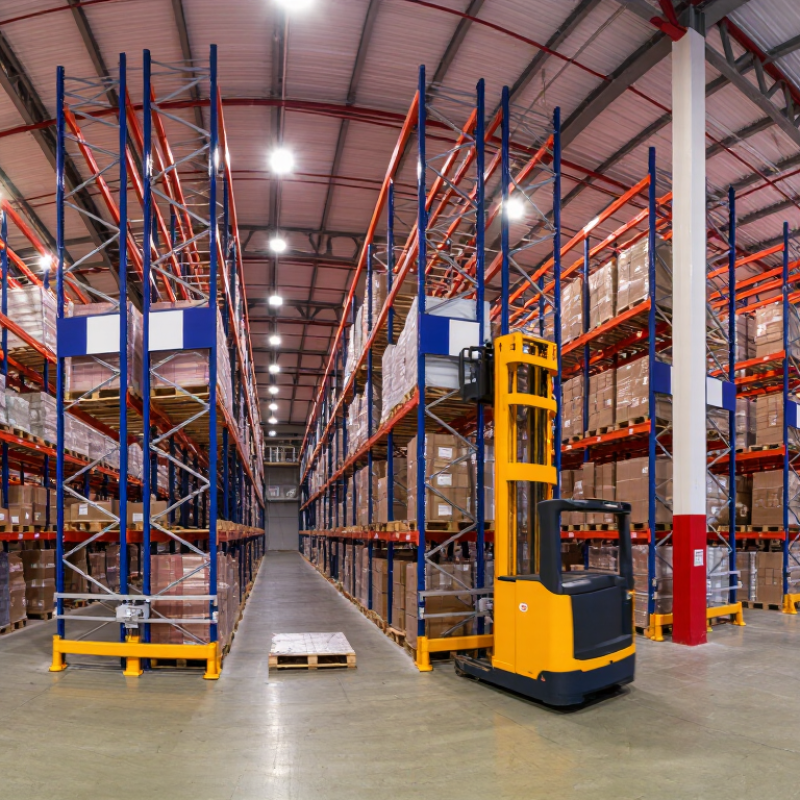
Impact racks are pallet-storage systems designed to absorb and control collision energy. They usually include upright guards, end barriers, or reinforced frames. Their purpose is practical: protect columns, pallets, forklifts, and nearby workers during daily handling.

A rack can look heavy-duty and still be poorly matched to the site. Load weight, pallet dimensions, forklift turning space, floor quality, and seismic exposure all matter. Small details matter.

The U.S. Occupational Safety and Health Administration estimates about 85 forklift fatalities, 34,900 serious injuries, and 61,800 non-serious injuries each year.

These figures explain why impact protection deserves attention during warehouse planning. RMI’s ANSI MH16.1 guidance also emphasizes rated capacities, anchoring, and proper configuration. Buyers should request clear load data, engineering drawings, inspection procedures, and replacement specifications.

A practical site assessment should examine scraped uprights, bent guards, loose anchors, and blocked travel lanes. That assumption is risky. Protection hardware is not a substitute for operator training or traffic control.

Global buyers should also verify local seismic, fire, and workplace requirements before ordering. MHI’s 2024 Annual Industry Report highlights continuing pressure to improve warehouse productivity through technology and automation. More automation can increase rack movement, not eliminate impact risk.

Even a well-designed system needs routine inspection, honest damage reporting, and periodic review.

How to Assess Load Capacity, Safety, and Structural Design

2026 Best Impact Racks for Global Warehouse Buyers?

Load capacity should be verified, not guessed from appearance. Ask for rated loads per beam level and per rack bay. Confirm whether ratings include pallet weight, forklift impact, and uneven loading. A practical assessment starts with real pallet dimensions, not ideal drawings. Measure the heaviest unit, its center of gravity, and the clearance around it. Then compare these details with the rack’s tested configuration.

Safety depends on both design and daily behavior. Inspect upright frames, beam connectors, locking pins, anchors, and floor conditions. Look for bent steel, loose fasteners, cracked concrete, or missing protection guards. Rack protection must match forklift routes and turning speeds. Clear warning labels help, but training and routine inspections matter more. They are often overlooked.

Structural design deserves careful review. Check upright thickness, bracing patterns, beam deflection limits, base plates, and connection tolerances. Local seismic, wind, fire, and building requirements may change the suitable design. Request engineering calculations, material certificates, installation records, and inspection procedures. A polished specification is not proof of performance. Small site differences can change the result. The difficult part is admitting that a lower price may hide reinforcement, installation, or maintenance needs. Allow adjustment space for future loads. It may feel inefficient now, but fixed assumptions can become expensive later.

Which Impact Rack Types Suit Different Warehouse Environments

Choosing the right impact rack starts with the warehouse environment, not the catalog page. Selective pallet racks suit facilities with many stock-keeping units and frequent forklift access. They provide direct access to each pallet, but consume more floor space. Push-back racks increase density for medium-turnover goods. Drive-in racks fit cold storage or uniform products with longer dwell times. Yet their limited access can complicate stock rotation.

For fragile cartons, carton-flow racks support first-in, first-out handling and reduce reaching. Cantilever racks work better for timber, pipes, and other long loads. In busy forklift zones, reinforced frames, upright guards, and end-of-aisle barriers deserve attention. The U.S. Occupational Safety and Health Administration stresses maintaining stable storage and protecting racks from vehicle impact. Small details matter, especially at blind corners.

MHI’s 2024 Annual Industry Report reported that cloud computing adoption could rise from 55% to 81% within five years. That shift supports rack decisions based on movement data, not guesswork. A high-velocity warehouse may need wider aisles than expected. A dense layout may look efficient, but slow replenishment can erase the gain. The 2024 Warehousing Education and Research Council benchmarking report also shows that labor and space efficiency remain central operating concerns. Site measurements, load ratings, traffic observations, and local engineering requirements should guide the final design. Experience helps, but it can still be wrong. Testing one aisle before full installation is often the wiser compromise.

2026 Best Impact Racks for Global Warehouse Buyers

Which impact rack types suit different warehouse environments? This comparison uses a 1–5 planning suitability score based on storage density, pallet selectivity, throughput, and operating conditions.

Score guide: 1 = limited suitability, 5 = strong suitability. Selective pallet racks support direct access to every pallet; drive-in racks maximize density for similar products; push-back racks support last-in, first-out storage; pallet-flow racks support high-throughput first-in, first-out operations; cantilever racks are designed for long or irregular loads.

How to Compare Materials, Features, Costs, and Maintenance Needs

Material choice changes both impact behavior and maintenance exposure. Cold-formed steel usually reduces weight, while thicker sections tolerate repeated forklift contact better. Painted surfaces cost less initially, but exposed scratches can invite corrosion in humid or salted environments. Galvanized finishes cost more, yet they may reduce repainting and shutdowns.

Ask for certified load tables, steel grades, anchor details, and deflection limits. The Rack Manufacturers Institute’s ANSI MH16.1 standard provides a useful technical reference for pallet-rack design and rated capacity. Do not compare price alone. Compare protection posts, beam connectors, back guards, and replaceable components. These features determine how quickly a damaged bay returns to service.

MHI’s 2024 Annual Industry Report reported that 83% of supply-chain leaders planned technology investment. That pressure makes sensor-ready inspections attractive, but not automatically economical. Simple visual checks still matter. WERC’s 2024 DC Measures report emphasizes labor, throughput, and space utilization as operating benchmarks. Track inspection minutes, replacement frequency, downtime, and damaged loads for six months. One uncomfortable finding is common: a lower-priced rack may create higher maintenance labor. Another is less obvious. Overbuilt protection can reduce usable aisle width and slow traffic. Model total cost using local labor, corrosion conditions, forklift routes, and spare-part availability. Prices alone rarely explain performance.

What Global Buyers Should Check Before Choosing a 2026 Supplier

2026 Best Impact Racks for Global Warehouse Buyers?

Global warehouse buyers should test the supplier, not just the rack. The 2024 MHI Annual Industry Report says 83% of surveyed supply-chain professionals expect technology investment to increase within five years. Rack layouts must support scanners, conveyors, and changing pallet profiles. Ask for stamped load calculations, beam deflection limits, and seismic assumptions. A polished catalog is not engineering evidence. Measure your heaviest pallet first.

Supplier quality needs verifiable records. Request mill certificates, welding procedures, coating specifications, and batch traceability. Compare them with recognized requirements, such as ANSI MH16.1 or applicable EN standards. In the United States, OSHA 29 CFR 1910.176(b) requires stored materials to remain secure and stable. The 2023 World Bank Logistics Performance Index also identifies reliability as a core logistics measure. A delayed replacement beam can weaken that reliability. Ask about stocked parts, inspection training, and response times.

Do not accept “one size fits all.” An impact rack near a loading aisle needs stronger protection than one in a quiet storage zone. Require site surveys, forklift clearance checks, and installation drawings before signing. Pricing deserves skepticism. I would still challenge my own specification after receiving it. Sometimes a cheaper frame wins the spreadsheet and loses after one forklift strike. Ask the supplier to model that incident, including repair access and downtime.

FAQS

What are impact racks designed to do?

They absorb and control collision energy in warehouse storage areas. They help protect upright columns, pallets, forklifts, and nearby workers. They are not indestructible.

Which details affect the right rack design?

Load weight, pallet size, forklift turning space, floor quality, and seismic exposure all matter. Measure real pallets, not ideal drawings. Small differences can change the result.

How should rack load capacity be checked?

Request rated loads for each beam level and rack bay. Confirm whether ratings include pallet weight, uneven loading, and forklift impact. Never judge capacity by appearance. That shortcut is risky.

What physical damage should warehouse teams inspect?

Check for scraped uprights, bent guards, loose anchors, damaged connectors, and cracked concrete. Also inspect missing locking pins and blocked travel lanes. Use a flashlight near base plates.

Can rack protection replace operator training?

No. Protection hardware cannot replace training, traffic control, or careful driving. Forklift routes should match turning speeds and storage conditions. Warnings help. Daily behavior matters more.

Which structural documents should buyers request?

Ask for engineering calculations, installation drawings, material records, and inspection procedures. Request beam deflection limits and seismic assumptions. A polished specification is not proof of performance.

What should buyers check before choosing a supplier?

Check replacement-part availability, welding records, coating details, batch traceability, and response times. Ask whether installation support and inspection training are included. A delayed replacement beam can increase downtime.

How should future warehouse changes affect rack selection?

Leave adjustment space for heavier loads, new pallet profiles, scanners, and conveyors. Automation may increase rack movement. It does not remove collision risk. My own assumptions deserve another review.

Conclusion

Impact Racks are essential warehouse systems designed to protect stored goods, improve access, and support efficient material handling in demanding environments. This guide explains how their structural design, upright strength, beam configuration, anchoring, and load distribution affect safety and long-term performance. It also highlights the importance of matching rated capacity with pallet weight, storage height, forklift activity, and expected operating conditions rather than relying on appearance alone.

The article compares different Impact Racks configurations for cold storage, high-throughput distribution centers, manufacturing facilities, and space-limited warehouses. It reviews material quality, protective features, adjustability, installation requirements, purchase cost, inspection routines, and maintenance needs. For global buyers selecting a supplier in 2026, the guide recommends checking engineering documentation, testing standards, customization capability, replacement-part availability, delivery reliability, installation support, and clear warranty terms. A careful comparison helps buyers choose a safe, durable, and cost-effective solution suited to their warehouse environment.

Mason

Mason

Mason is a seasoned marketing professional with a deep expertise in the company's offerings and a passion for driving brand awareness. With a strong background in digital marketing strategies, he has an innate ability to connect with diverse audiences and effectively communicate product benefits.......